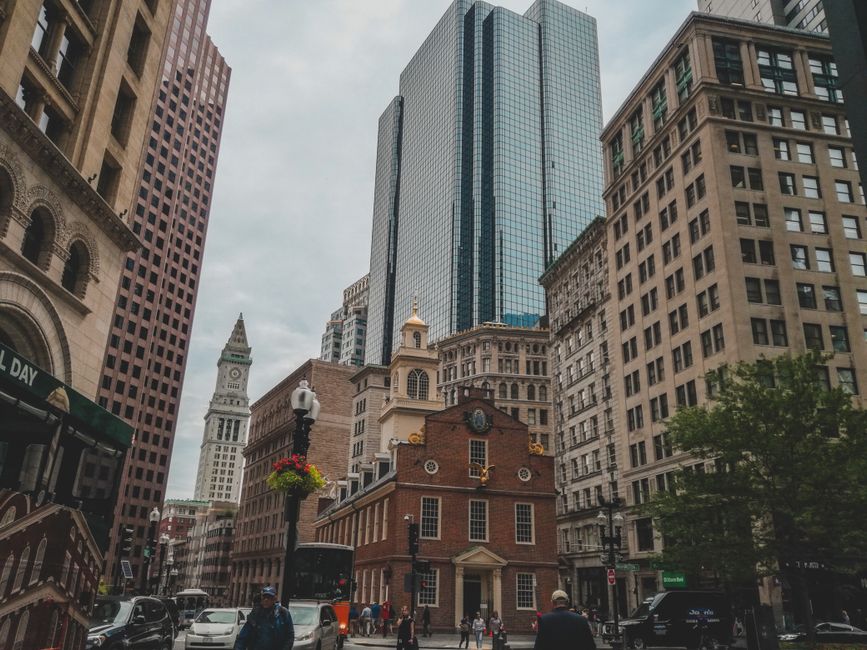
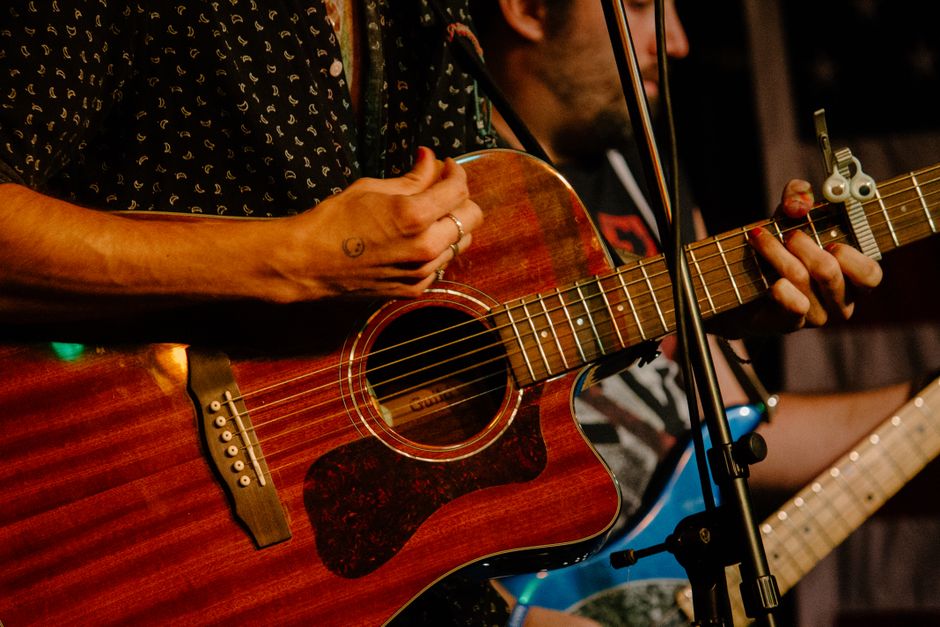
Walk down Lansdowne Street on a Friday night and you'll notice something unsettling: silence where there should be bass lines. The Paradise Rock Club's darkened marquee hasn't lit up since January, part of a broader contraction in Boston's live music infrastructure that has locals and industry insiders worried about the city's cultural future.
The numbers tell a stark story. Three of Boston's most significant mid-sized venues—the Paradise, the Orpheum Theatre, and the Sinclair in Harvard Square—are currently offline for renovations that have stretched longer than originally promised. Meanwhile, the House of Blues on Lansdowne Street has reduced its capacity by 30 percent after structural assessments. For a city that prides itself on being a breeding ground for musicians, from The Dropkick Murphys to Gail Ann Dorsey, the timing feels catastrophic.
"We're essentially operating at 60 percent capacity compared to 2023," says one prominent local promoter who requested anonymity due to contractual constraints. This bottleneck has forced mid-tier touring acts to bypass Boston entirely, heading instead to venues in Providence, New York, or Philadelphia. Average ticket prices have surged 22 percent year-over-year, according to data from Ticketmaster, as limited supply drives up demand for remaining slots at the Agganis Arena, Blue Hills Bank Pavilion, and smaller clubs like The Interim in Jamaica Plain.
The squeeze has been particularly brutal for local and emerging artists. The Sinclair, which historically hosted 400-capacity shows featuring Boston-bred talent, won't reopen until fall 2026 at the earliest. The void has forced grassroots musicians to rely on smaller venues like Royale and O'Brien's, which, while vital, lack the mid-sized infrastructure that typically launches regional acts toward national recognition.
Not everyone sees crisis in the contraction. Some argue the market correction is necessary. "Boston had oversaturated the mid-tier venue market," says David Mead, executive director of the New England chapter of the Recording Industry Association. "What we're seeing now is consolidation and modernization."
Still, the human cost is visible. Venue workers—sound engineers, bartenders, security staff—have scattered to other industries or other cities. The cultural question looms larger: Can Boston afford to lose momentum in live music when places like Austin and Nashville are doubling down on their live entertainment brands?
The Paradise is expected to reopen by August with a fresh 950-seat capacity. Whether that's enough to restore Boston's reputation as a live music destination remains an open question.
This article was compiled by AI and screened before publishing. See our editorial standards.