Emerging Fashion Designers in Boston Reshaping the Industry
Meet five independent fashion designers in Boston's Fort Point transforming the creative economy. How emerging voices are redefining fashion careers in 2026.
Meet five independent fashion designers in Boston's Fort Point transforming the creative economy. How emerging voices are redefining fashion careers in 2026.
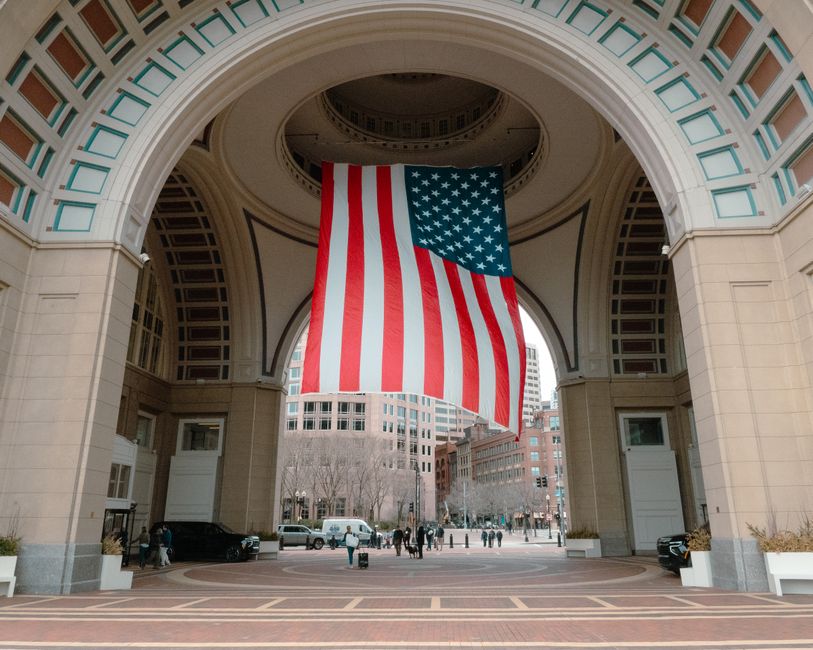
Walk into any studio space along the Fort Point Channel these days, and you'll find a different creative energy than Boston's fashion scene knew five years ago. Where established names once dominated, a scrappy cohort of emerging designers is now commanding attention—not with massive budgets, but with distinctive vision and an uncompromising approach to craft.
The shift reflects broader changes in how fashion careers launch. According to the Boston Creative Economy Report released this spring, independent fashion designers under 35 now represent 34 percent of the region's design workforce, up from 18 percent in 2019. Many are bootstrapping operations from shared studio spaces in neighborhoods like the Leather District and Seaport, where monthly rent for a 400-square-foot studio runs between $800 and $1,200—making Boston significantly more accessible than New York or Los Angeles.
The infrastructure supporting them has matured too. Organizations like the Boston Fashion Alliance, now in its eighth year, reported that 47 emerging designers participated in its mentorship program this year alone. The Alliance's annual showcase at The Cyclorama in Back Bay continues to draw buyers from major retailers, though several emerging talents say the real opportunities come from building direct-to-consumer relationships through digital platforms.
What distinguishes this wave is its diversity of approach. Some designers are grounded in hyperlocal narratives—sourcing materials from New England mills, incorporating maritime history. Others are pushing experimental textiles and gender-fluid silhouettes that challenge conventional categories. A handful are merging fashion with sustainability engineering, treating design as a climate problem to solve.
Industry veterans note that Boston's traditional strength in education—with major institutions like MassArt, Northeastern, and the New England School of Art and Design annually graduating cohorts of talented makers—finally matches the city's institutional support and accessible workspace. Unlike previous generations who often left for bigger fashion capitals immediately after graduation, many recent graduates are choosing to stay and build here.
The work isn't without challenges. Emerging designers cite difficulty securing production funding and limited access to larger manufacturing networks as persistent hurdles. But the creative energy is unmistakable. Several emerging talents are preparing to show at New York Fashion Week's emerging designer showcase this September, while others are building reputation through fashion weeks in Copenhagen and Lagos—increasingly the platforms that matter to international buyers.
For Boston's creative economy, it signals something significant: the city is becoming not just a place where fashion is studied, but where it's genuinely made and reimagined.
This article was compiled by AI from the sources linked above and screened before publishing. See our editorial standards.
How does this story make you feel?
Spread the word
About this article
Published by The Daily Boston
Daily brief
Free, in your inbox before 7am. Weekdays.
More in culture