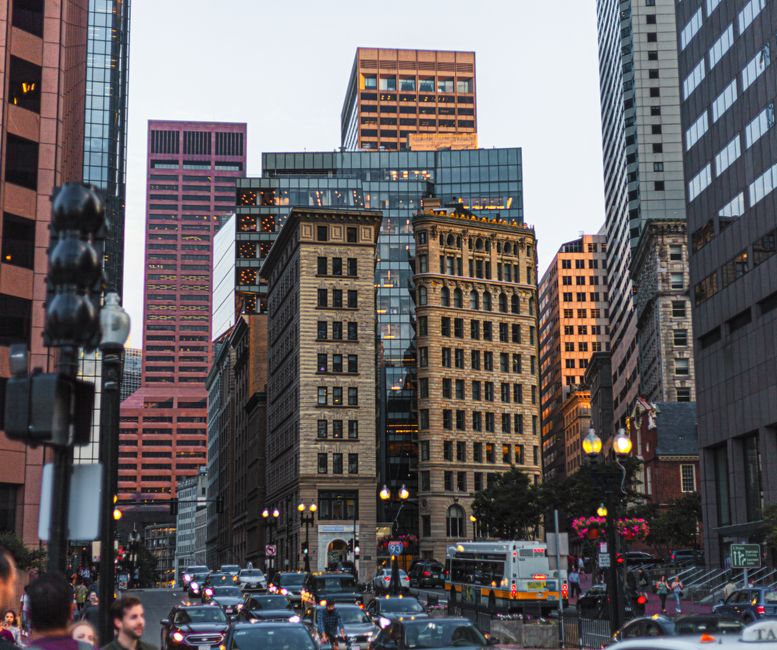
Walk through Fort Point Channel on any given afternoon and you'll encounter a kaleidoscope of murals: geometric abstractions bleeding across warehouse walls, portraits of historical figures commanding five-story facades, collaborative pieces that shift with the seasons. It's a far cry from the 1990s, when Boston's street art scene existed almost entirely in the shadows—literally, as young artists tagged subway tunnels and abandoned buildings under cover of darkness.
The transformation didn't happen overnight. For decades, Boston's street art was treated as a public nuisance, aggressively buffed by city maintenance crews. But around 2008, as economic recession shifted urban priorities and a new generation of artists demanded legitimacy, something shifted. Community leaders and property owners began recognizing that murals could revitalize neglected corridors while building neighborhood identity.
Roxbury's Melnea Cass Boulevard became an early proving ground. What was once a thoroughfare marked by disinvestment became home to dozens of sanctioned murals by 2015, transforming the streetscape and attracting foot traffic. The corridor now hosts an annual street art festival that draws thousands, generating estimated economic activity exceeding $2 million annually according to local business improvement district data.
Jamaica Plain followed suit, with Washington Street emerging as another focal point. The neighborhood's Stonybrook corridor now features rotating installations that have helped position the area as a destination for younger creative professionals. Commercial rents have climbed accordingly—from roughly $18 per square foot in 2010 to $28 today—a double-edged sword reflecting both revitalization and displacement pressures that artists themselves grapple with.
Organizations like City Walls, founded in 2013, professionalized what had been an informal practice. By connecting established and emerging artists with property owners and municipalities, they've orchestrated hundreds of sanctioned projects across Greater Boston. The city now maintains a formal public art registry, a development unimaginable two decades ago.
Today's Boston street art scene encompasses everything from hyperrealistic portraiture to abstract minimalism to political commentary. Venues like the Greenway's artist-run spaces and Nubian Square's community murals reflect a maturation: street art is no longer rebellion against the city, but increasingly a collaboration with it.
That evolution raises persistent questions about authenticity and commercialization. But for a generation of Boston artists who grew up tagging trains, the ability to earn a living doing publicly visible work represents undeniable progress—even as longtime residents watch their neighborhoods transform around newly celebrated murals.
This article was compiled by AI and screened before publishing. See our editorial standards.