Boston's Next Wave: Five Emerging Chefs Redefining the City's Food Scene
From Seaport pop-ups to Jamaica Plain kitchens, a new generation of culinary voices is pushing Boston beyond its traditional fine-dining boundaries.
From Seaport pop-ups to Jamaica Plain kitchens, a new generation of culinary voices is pushing Boston beyond its traditional fine-dining boundaries.
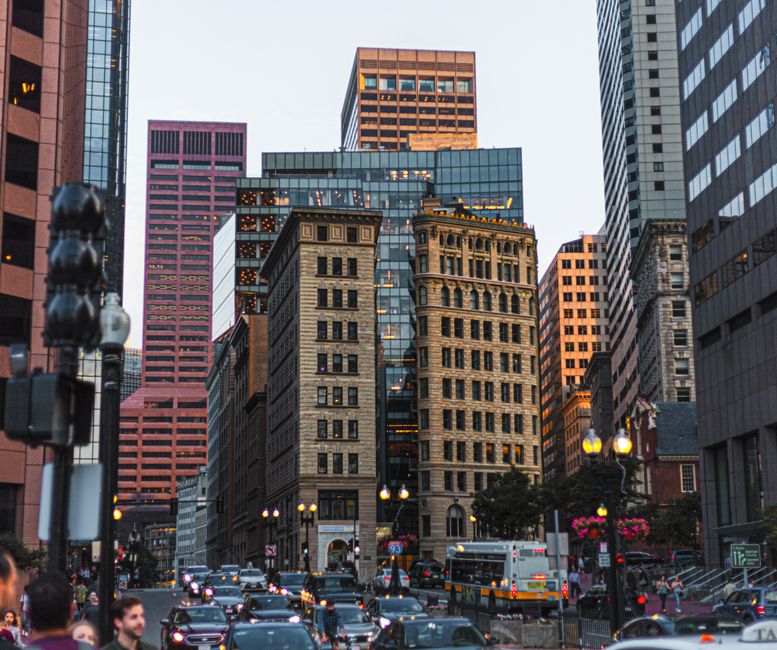
Boston's restaurant landscape has long been dominated by established names and heritage institutions. But walk through Seaport Boulevard or scan the pop-up circuit threading through Jamaica Plain, and you'll find something shifting—a generation of chefs in their late twenties and early thirties who are reimagining what Boston food can be.
This emerging cohort doesn't fit the old template. Many trained outside the city, worked under national names, then chose to return to Boston precisely because they saw untapped potential. Unlike their predecessors who often replicated New York or San Francisco models, these voices are distinctly rooted: drawing on Boston's immigrant communities, its seafaring heritage, and its growing appetite for experimentation.
Several trends define this wave. First, the resurrection of neighborhood dining. While Beacon Hill and Back Bay once dominated the scene, new energy is concentrating in underserved areas. South Boston's Strand neighborhood and Dorchester Avenue's evolving corridor are becoming proving grounds for chefs testing concepts before (or instead of) seeking capital-intensive brick-and-mortar spaces. The financial barrier—median rent for restaurant space in Boston hovers near $35 per square foot annually—has made ghost kitchens and collaborative spaces essential incubators.
Second, these chefs embrace hybridity without apology. Rather than the "fusion" label that plagued earlier generations, they're working from genuine cultural fluency. Family recipes meet classical technique. Vietnamese and Dominican flavors appear in the same tasting menu. This reflects Boston's actual demographic reality: the city's non-white population has grown to roughly 48 percent, yet restaurant leadership hasn't caught pace.
Third, there's a deliberate rejection of exclusivity pricing. While fine dining hasn't disappeared, the energy is in accessible spaces. Tickets rarely exceed $60; many hover near $35. This democratization suggests a rejection of the status-signaling that defined earlier culinary eras.
Where to watch: Follow the Seaport's independent operators rather than chain arrivals. Monitor the pop-up collectives operating from shared kitchens in Roxbury and Dorchester. Track the James Beard Foundation's annual emerging chef nominations—Boston has landed several in recent years, a signal of recognition momentum.
The city's food media ecosystem is evolving too. Hyperlocal critics and newsletter writers on Substack are building followings by championing neighborhood restaurants over established institutions. This decentralization means emerging talent doesn't require major publication blessing to build credibility.
Boston may never be New York. But the next chapter of its food story—one written by chefs who see possibility rather than legacy as their inheritance—promises to be considerably more interesting.
This article was compiled by AI from the sources linked above and screened before publishing. See our editorial standards.
How does this story make you feel?
Spread the word
About this article
Published by The Daily Boston
Daily brief
Free, in your inbox before 7am. Weekdays.
More in culture