How Boston's Grassroots Venues Are Reclaiming Live Music From Corporate Consolidation
A coalition of independent promoters and neighborhood organizers is transforming the city's concert landscape, one intimate show at a time.
A coalition of independent promoters and neighborhood organizers is transforming the city's concert landscape, one intimate show at a time.
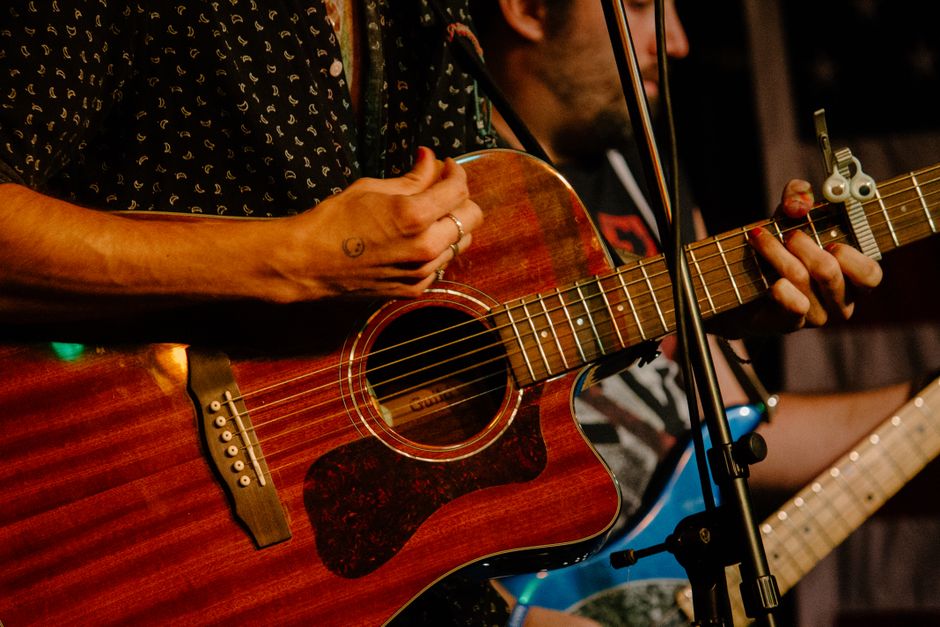
Walk past The Sinclair on Massachusetts Avenue in Harvard Square on any given Thursday, and you'll find the venue packed with 550 people—a far cry from the 10,000-capacity sheds that have dominated Boston's live music economy for decades. This shift isn't accidental. It's the result of a quiet but determined movement by independent promoters, community organizations, and venue operators who are rejecting the consolidation model that has squeezed out mid-tier venues across America.
Over the past eighteen months, Boston has witnessed a renaissance of smaller venues and grassroots concert series. Spaces like Paradise Rock Club in Allston, The Middle East in Central Square, and newer cooperative ventures on Lansdowne Street have become epicenters of this cultural realignment. Meanwhile, neighborhood-based promoters have launched monthly series in unexpected locations—brewery basements in Jamaica Plain, art galleries in Fort Point, church halls in Dorchester—creating an infrastructure that bypasses traditional ticketing monopolies entirely.
"The math changed," explains the programming director at one of these mid-sized venues, who requested anonymity to protect venue relationships. "A 1,200-person room at $25 per ticket generates $30,000 revenue. That covers artist fees, production costs, and building operations without requiring 15,000 people to wait in traffic for three hours." The economic model appeals to younger audiences priced out of major festivals, where general admission regularly exceeds $150.
Community organizations like the Boston Music Advocates have documented a 34% increase in independently promoted shows across the city since 2024. The Massachusetts Cultural Council, recognizing the trend, awarded $2.3 million in grants last year specifically to grassroots music initiatives—triple the allocation from five years prior.
What distinguishes this movement from nostalgia is its deliberate infrastructure: artist collectives sharing technical equipment, neighborhood associations negotiating with landlords on behalf of promoters, and digital platforms like NEMO (New England Promoters Collective) coordinating shows across 47 venues. The result is a safety net that previous generations lacked.
The shift has implications beyond economics. Venues like those along Hanover Street, Beacon Hill's emerging jazz circuit, and Roxbury's hip-hop collectives are becoming cultural anchors for their neighborhoods again—places where community identity gets expressed through live performance rather than consumed as spectacle.
Boston's music scene, long overshadowed by its heritage narrative, is writing a new chapter. And it's being written by the people who actually live here.
This article was compiled by AI from the sources linked above and screened before publishing. See our editorial standards.
How does this story make you feel?
Spread the word
About this article
Published by The Daily Boston
Daily brief
Free, in your inbox before 7am. Weekdays.
More in culture