Boston's Gallery Scene is Finally Opening Up Again—and It's More Political Than Ever
After a quieter spring, Newbury Street galleries and smaller artist collectives are mounting ambitious shows that reflect a fractured moment in American life.
After a quieter spring, Newbury Street galleries and smaller artist collectives are mounting ambitious shows that reflect a fractured moment in American life.
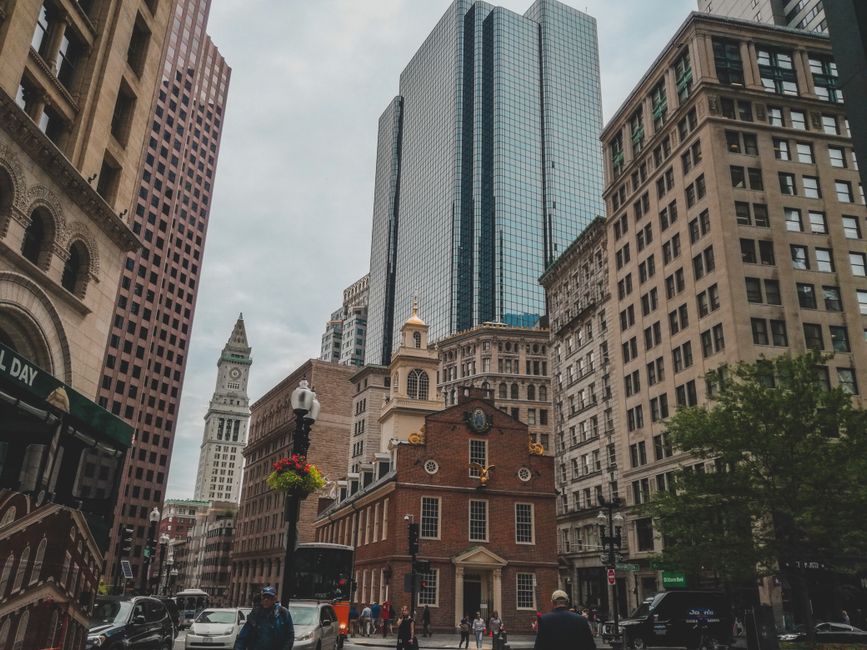
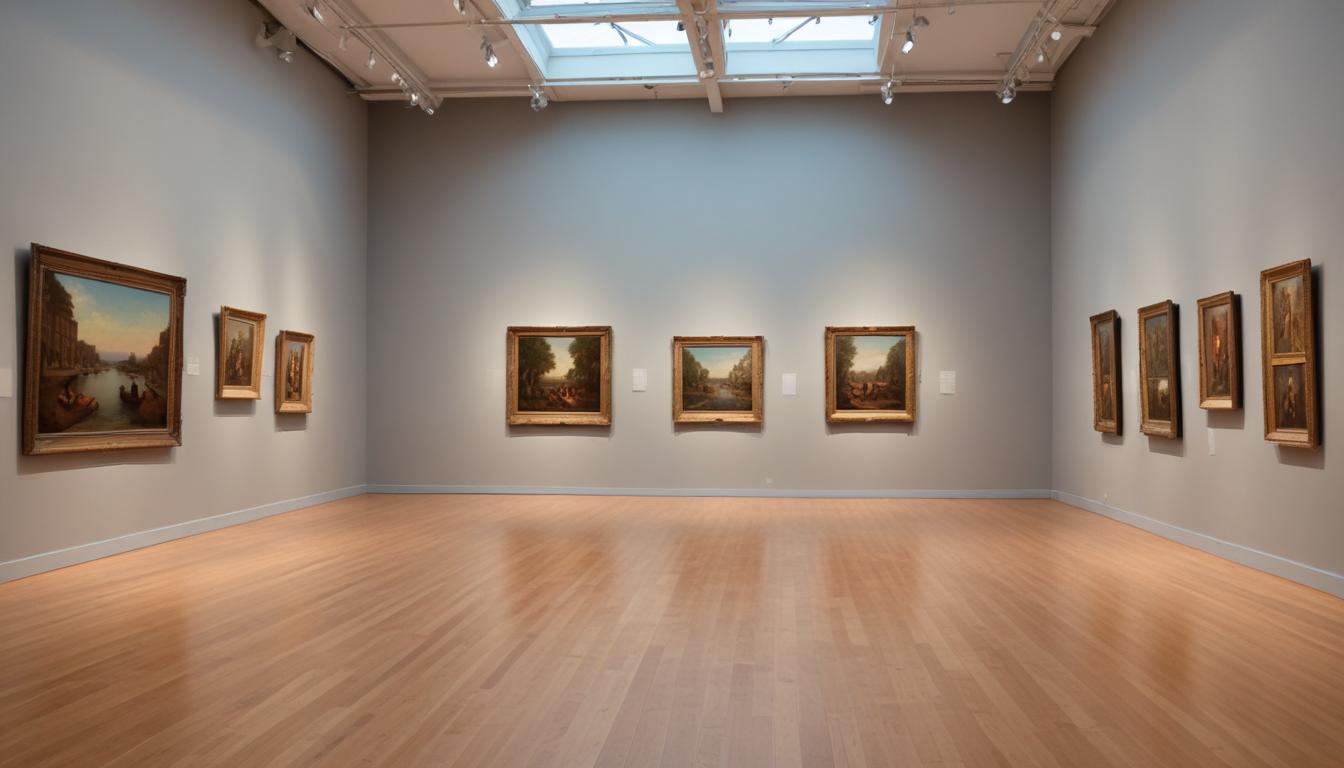
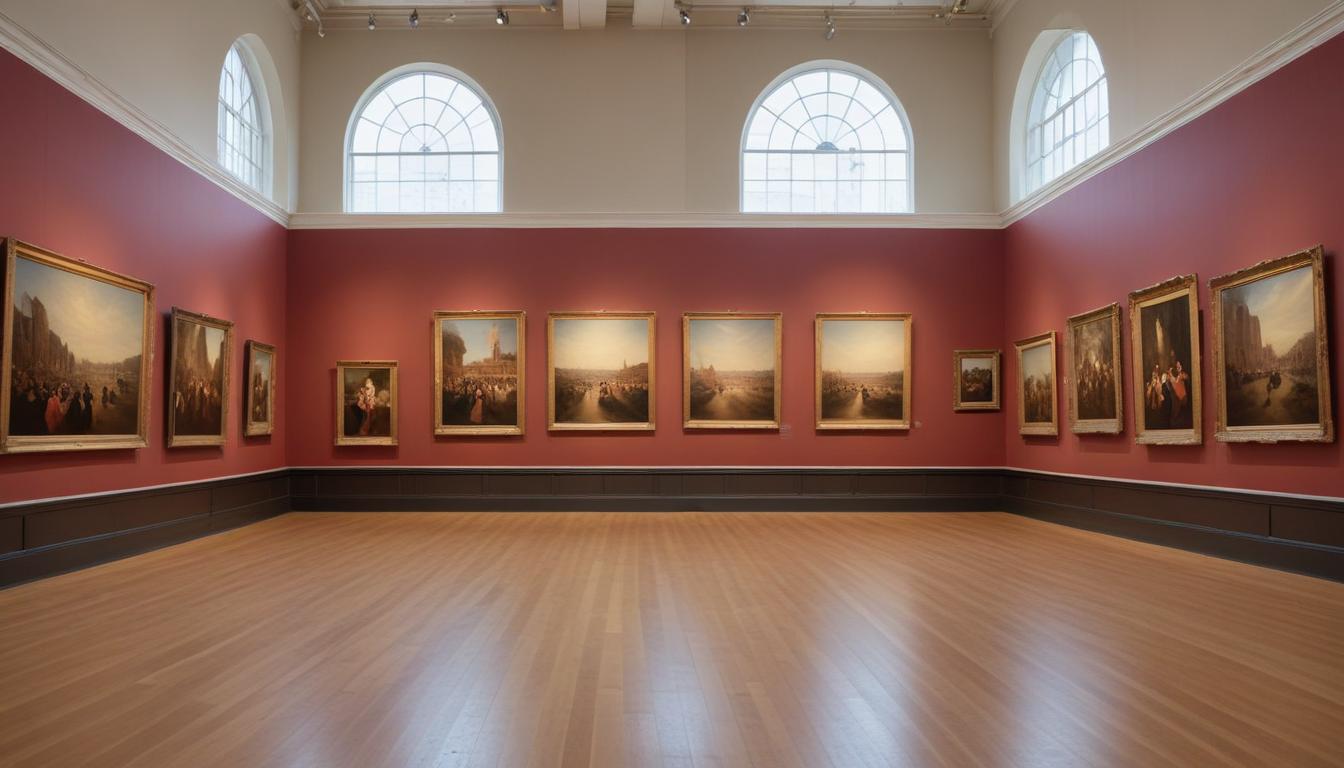
Walk down Newbury Street on a Friday evening right now and you'll notice something: the galleries are packed. Not just with the usual patrons, but with younger crowds clustering around work that feels decidedly urgent. This summer marks a visible shift in Boston's contemporary art scene—one that curators and gallery owners are describing as a return to socially engaged practice, fueled partly by exhaustion with the relentless news cycle and partly by a desire to make meaning in real time.
"We're seeing artists want to show now, not in two years," says the programming director at one Beacon Hill cooperative studio space, noting that their waiting list for exhibitions has more than doubled since March. Three major gallery groups along Newbury Street have announced summer group shows focused on climate, migration, and institutional critique. The Hepworth Gallery, which reopened its Charles Street location in April after renovation, has already hosted two sold-out opening receptions.
The Isabella Stewart Gardner Museum's recent acquisition of works addressing displacement has prompted broader conversation about collecting priorities. Meanwhile, artist-run spaces in Jamaica Plain—historically a quieter corner of Boston's art world—are suddenly hosting the kind of late-night openings that typically happen only in New York's Lower East Side. A recent First Friday event on Green Street drew over 400 visitors, according to organizers.
What's changed? Partly, it's supply meeting demand. The pandemic permanently altered studio availability and rental costs across the city, pushing some artists into shared warehouse spaces in Dorchester and Roxbury, which has democratized access and created new creative hubs. But it's also about content. Works engaging with global instability—the Venezuelan crisis, geopolitical fractures, climate migration—are resonating with Boston audiences in ways that feel different from even two years ago.
Gallery admission prices remain relatively accessible; most Newbury Street galleries charge nothing, while the MFA charges $25 for general admission ($13 for students). The Gardner charges $20. But what's noteworthy is the conversation itself: locals are talking less about who's showing where and more about what art is supposed to do right now.
"There's this feeling that galleries could be useful spaces for thinking through things," one regular at the Boston Center for the Arts told me. "Not answers. Just thinking." Whether that moment sustains through August remains an open question, but for now, Boston's art scene feels genuinely alive in a way that commands attention.
This article was compiled by AI from the sources linked above and screened before publishing. See our editorial standards.
How does this story make you feel?
Spread the word
About this article
Published by The Daily Boston
Daily brief
Free, in your inbox before 7am. Weekdays.
More in culture