Somerville's Assembly Square has quietly become the city's most dynamic development zone, attracting institutional investment that would have seemed unthinkable five years ago. The 40-acre mixed-use district, anchored by the former General Motors manufacturing facility along the Mystic River, is now home to over $2 billion in active and approved projects—a figure that dwarfs comparable suburban corridors and rivals some Downtown Boston undertakings.
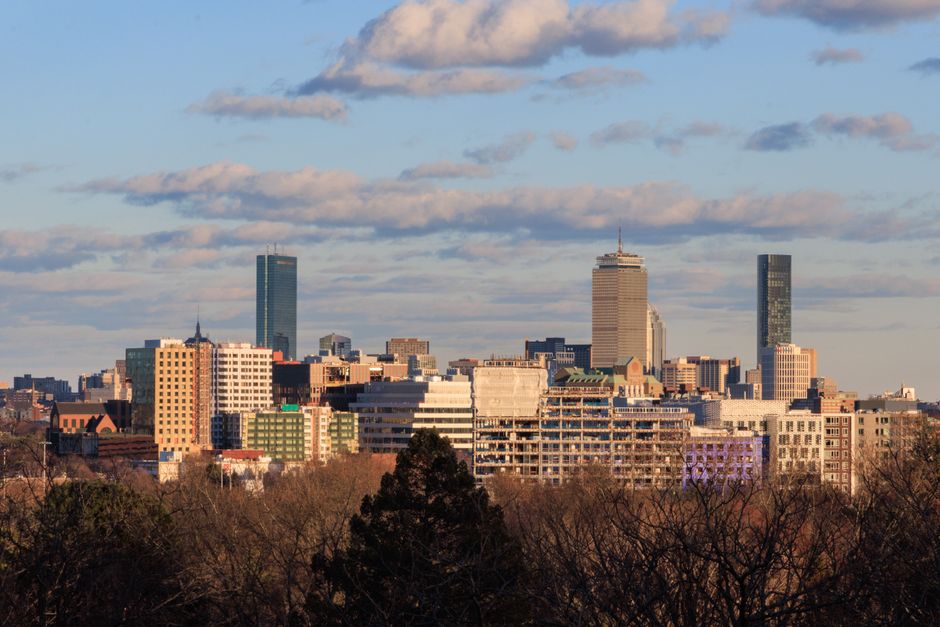
Three significant residential approvals since early 2025 have cemented the neighbourhood's status. The latest addition to the Assembly District's skyline includes a 450-unit residential tower approved by Somerville's Planning Board in March, with pre-leasing expected to begin in late 2027. Two additional mixed-use developments with ground-floor retail and 200-plus residential units each are already underway along Foley Street and the newly pedestrianized Green Street connector.
The momentum reflects a fundamental shift in Boston-area investment patterns. With median prices in Beacon Hill and Back Bay now exceeding $1.2 million, developers and institutional buyers are recalibrating their focus toward submarkets offering both accessibility and upside potential. Assembly Square's Orange Line terminus, new riverside parks, and proximity to Tufts University and MIT have proven magnetic. Current asking rents for new apartments average $2,450 per month—a 34 percent increase since 2022—while commercial space commands $28 to $32 per square foot, comparable to Kendall Square rates.
The transformation represents more than speculative fervour. The district's zoning flexibility, which permits heights up to 300 feet in key areas, and the city's proactive support for transit-oriented development have reduced approval timelines. Combined with private investment in streetscape improvements and the planned $85 million Mystic River Greenway project, Assembly Square now competes for capital traditionally earmarked for Cambridge or Downtown Boston.
Not all observers embrace the pace of change. Community advocates worry about affordability implications and strain on local infrastructure, particularly along Broadway and near the transit hub. Somerville's inclusionary zoning requirement—13 percent affordable units—addresses some concerns, but supply remains tight.
For investors, however, the calculus is straightforward: Assembly Square offers the rare combination of strong fundamentals, limited comparable inventory, and institutional conviction. Land parcels in the district, scarce as they are, now command $850 to $950 per square foot—a figure that would have seemed speculative just three years ago. That trend shows no sign of reversing.
This article was compiled by AI and screened before publishing. See our editorial standards.