Boston's Pipeline of New Towers Could Reshape Affordability—Or Deepen It
As major developments rise across Seaport, Fenway, and Somerville, experts debate whether supply will finally ease the region's housing squeeze.
As major developments rise across Seaport, Fenway, and Somerville, experts debate whether supply will finally ease the region's housing squeeze.
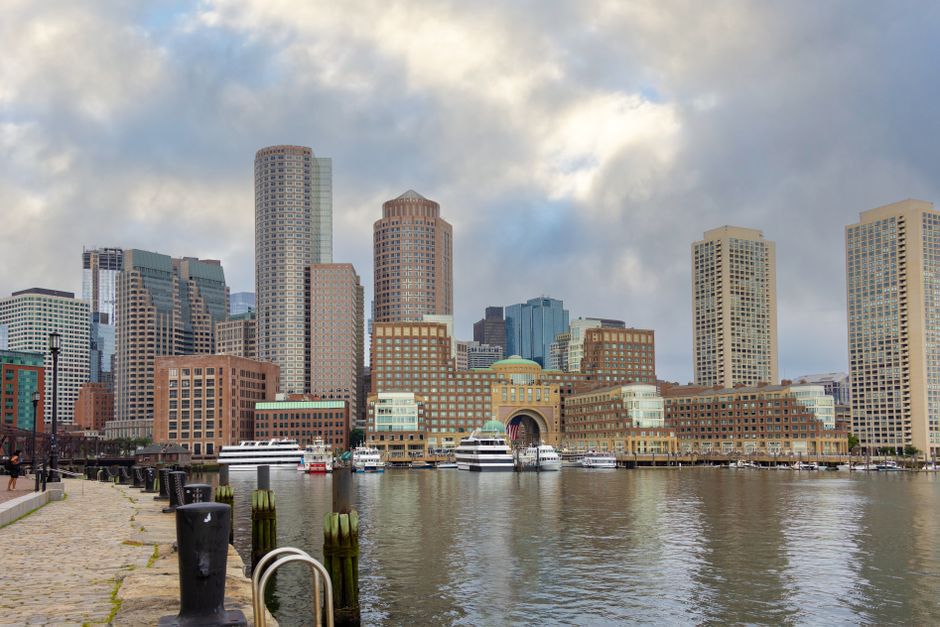
Boston's residential development pipeline has swelled to historic proportions, with over 15,000 units either under construction or approved across the region. Yet even as cranes dot the skyline from the Seaport District to Assembly Row in Somerville, a critical question looms: will these projects meaningfully address affordability, or simply create new premium enclaves for a shrinking pool of wealthy buyers?
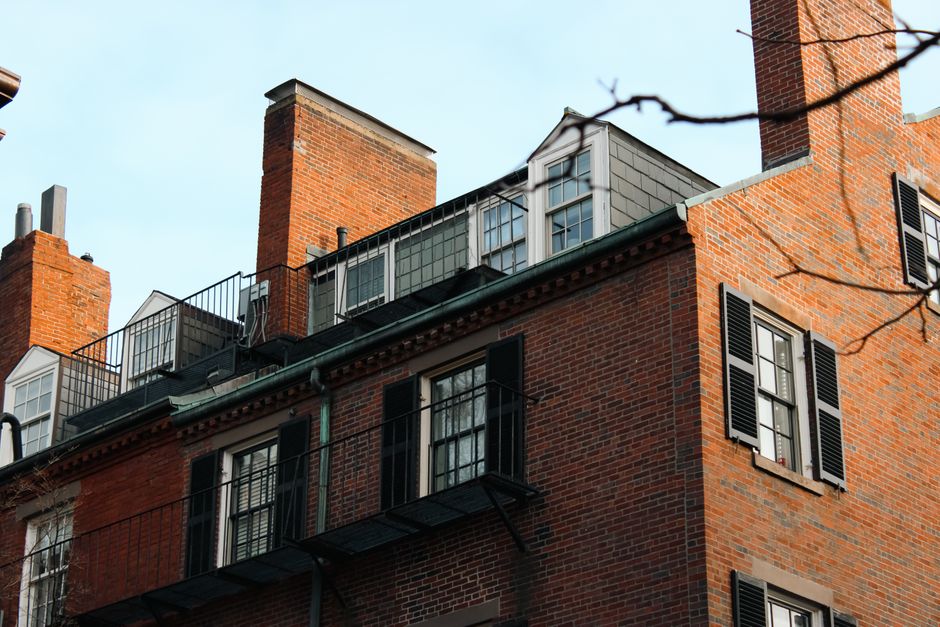
The numbers are staggering. Recent projects like the mixed-use towers along Atlantic Avenue and the ongoing Fenway transformation are introducing thousands of market-rate apartments priced well above Boston's median of $780,000. A one-bedroom in many new Seaport developments now commands $2,800 to $3,400 monthly—rates that squeeze middle-income workers who might have found housing five years ago. Meanwhile, Beacon Hill and Back Bay remain largely unchanged, their historic character and scarcity preserving values that have climbed beyond reach for most residents.
What's shifted, though, is the geography of growth. Somerville and Cambridge, once affordable alternatives, are experiencing their own metamorphosis. The Grand Junction development in Somerville and ongoing projects near the Future of Boston Initiative corridors are attracting younger professionals and families priced out of inner Boston, which in turn is pushing those seeking cheaper rents further outward to Roxbury and Dorchester—a pattern that real estate analysts say mirrors displacement across North American cities.
The crucial variable is inclusionary zoning. Mayor's office guidelines now require 13 percent of new units to remain affordable, a meaningful shift from previous years, yet advocates argue it remains insufficient. A developer breaking ground on a 300-unit tower might be required to create just 39 affordable units—hardly a dent in demand from households earning under $100,000 annually.
South Boston's ongoing transformation exemplifies this tension perfectly. New waterfront developments are undeniably revitalizing once-industrial stretches, attracting restaurants and investment that benefit longtime residents. Yet the same projects have triggered rent increases that now force long-term renters into difficult choices.
Industry observers suggest the real test arrives in 2027 and beyond, when projects currently in early phases come online simultaneously. Supply at that scale could theoretically ease price pressure across the broader market—or it could simply create a bifurcated system where luxury units proliferate while affordable housing remains chronically scarce. For now, Boston watches, builds, and waits.
This article was compiled by AI from the sources linked above and screened before publishing. See our editorial standards.
How does this story make you feel?
Spread the word
About this article
Published by The Daily Boston
Daily brief
Free, in your inbox before 7am. Weekdays.
More in Property