Boston's affordable housing shortage isn't a new story. But the forces reshaping it in 2026 are worth understanding, especially if you're hunting for a home below $600k or watching neighborhoods you thought were stable suddenly shift beneath your feet.
The headline numbers tell part of the story: median prices remain flat at around $780k citywide, defying earlier predictions of explosive growth. Yet beneath that surface stability lies a supply problem that's reshaping where working families can actually live. Somerville and Cambridge, once considered emerging alternatives to Beacon Hill's premium positioning, have seen their own entry-level inventory collapse. A modest two-bedroom near the Davis Square T stop now regularly commands $675k—pricing out the teachers, nurses, and service workers the city needs.
What's driving this? Zoning reform is one answer. Massachusetts' recent statewide law allowing residential construction near transit hubs has triggered a wave of development applications across the region. In South Boston, waterfront projects and the ongoing transformation of the Fort Point Channel corridor have accelerated gentrification, pushing longtime residents further outward. Meanwhile, developers are increasingly focused on luxury and market-rate units, where margins are highest. Without mandatory inclusionary zoning requirements, affordable units aren't being built proportionally to market-rate ones.
The state's Housing Choice legislation, designed to streamline approvals for mixed-income projects, offers some relief—but implementation remains inconsistent. Some municipalities are embracing it; others are dragging their feet. Boston proper has committed to 69,000 new housing units by 2030, but affordability is the sticking point. The city's own inclusionary policy requires 13-17% of units in new projects to be deed-restricted as affordable, but critics say the threshold is too low and compliance costs are routinely passed to buyers elsewhere.
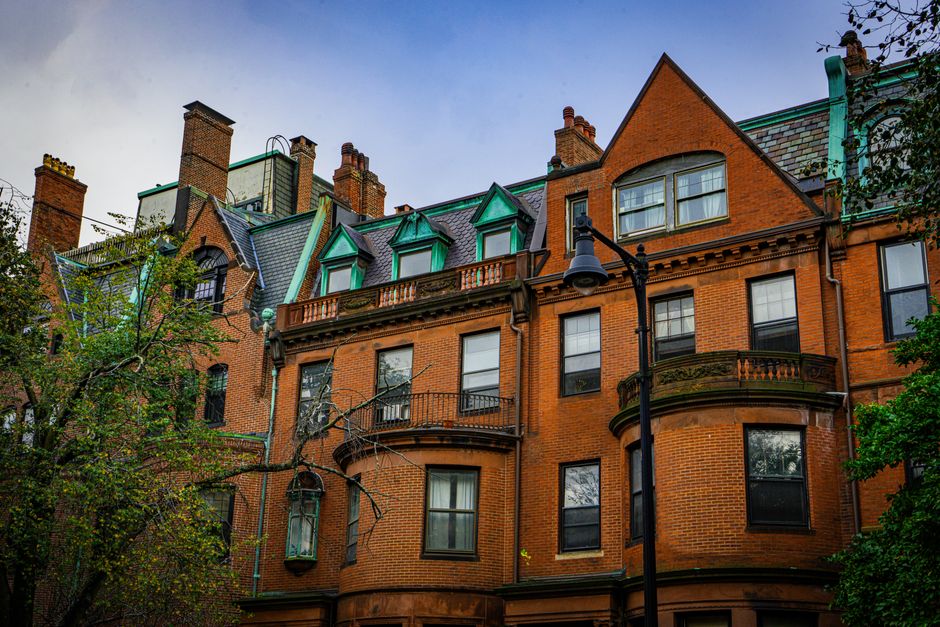
For prospective buyers, the math is increasingly binary: either price into premium neighborhoods like Beacon Hill and Back Bay, or look further afield—to Medford, Everett, or even Worcester—where university-driven demand is rising but prices remain more manageable. First-time homebuyers aged 30-40 are effectively locked out of central Boston unless they have family assistance or significant savings.
The real estate market here is no longer simply about finding the right home at the right price. It's about understanding which neighborhoods still have runway, which are past the inflection point, and whether the city's housing targets will actually materialise. For now, patience and geographic flexibility remain the buyer's best tools.
This article was compiled by AI and screened before publishing. See our editorial standards.