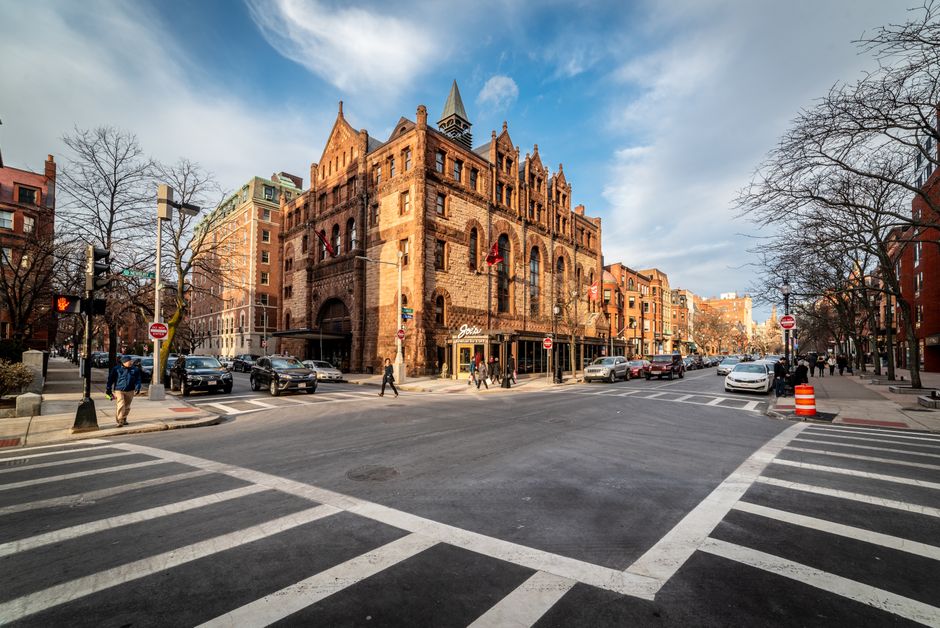
First-time buyers face squeeze as Boston's rental crisis reshapes market opportunity
Tight rental conditions are forcing prospective homeowners to save longer, while landlords reassess investment strategies across the city.
Tight rental conditions are forcing prospective homeowners to save longer, while landlords reassess investment strategies across the city.
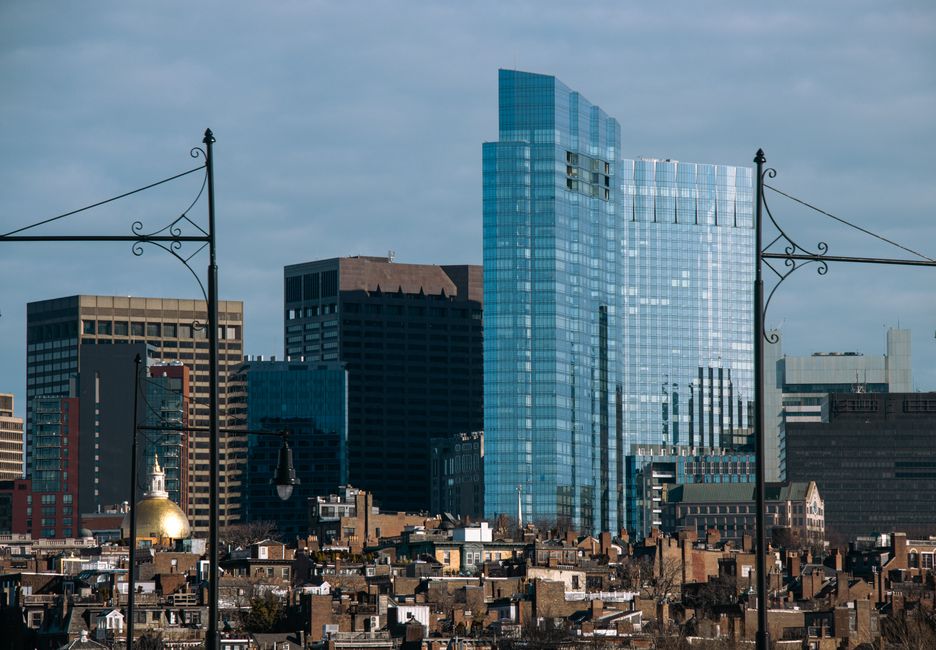
Boston's property market is caught between two pressures: first-time buyers are increasingly priced out of ownership, while renters face climbing costs that delay their path to purchase. The dynamic is reshaping how both groups approach the city's grants and financing landscape.
Median rent for a two-bedroom in Cambridge now hovers near $2,800 monthly—roughly equivalent to a mortgage on a $450,000 property. Meanwhile, the median Boston home price sits at $780,000, a figure that remains stubbornly out of reach for renters saving from stretched budgets. This gap is particularly acute in transforming neighbourhoods like South Boston and along the Somerville-Cambridge corridor, where gentrification has compressed both rental and purchase markets simultaneously.
The Commonwealth's first-time homebuyer programs—including down payment assistance through the MassHousing Agency and the Boston Home Center on Hanover Street—have become lifelines. Yet advisors report growing demand, with many applicants now requiring dual support: rental relief while accumulating down payments. Some prospective buyers remain locked in rentals near Back Bay or Beacon Hill not by choice, but by necessity, burning years of potential equity.
For landlords, the equation is equally complex. Rising property taxes and maintenance costs—compounded by stagnant vacancy rates in certain neighbourhoods—have made smaller-scale investment less appealing. Many are transitioning portfolios toward longer-term holds or exits entirely. This paradoxically tightens rental supply further, pushing tenants toward secondary markets in Allston or Jamaica Plain, farther from employment hubs around the Financial District and university corridors.
The Massachusetts Housing Finance Agency reports that down payment assistance programs served 23 percent more applicants in the first quarter of 2026 compared to last year, yet approval rates haven't improved proportionally. Renters are saving harder, longer—and delaying family formation in the process.
For prospective first-time buyers, the message is clear: act early. Grants through the Boston Community Development department and state-level initiatives remain available, but landlords' shifting strategies mean rental stability cannot be assumed. Those caught between worlds—renters unable to afford the median $780,000 purchase price—may find themselves better served relocating to emerging markets along the Red Line or exploring co-ownership arrangements that leverage group buying power.
The cycle reinforces itself: rental pressure extends the savings timeline, while extended savings timelines keep prospective owners in the rental market. Breaking that cycle requires both strategic use of available grants and honest assessment of neighbourhood trajectories before committing to either tenure.
This article was compiled by AI from the sources linked above and screened before publishing. See our editorial standards.
How does this story make you feel?
Spread the word
About this article
Published by The Daily Boston
Daily brief
Free, in your inbox before 7am. Weekdays.
More in Property