South Boston's Rapid Rise: What's Really Driving Prices and Why Buyers Should Act Fast
Once overlooked, South Boston's transformation into a premier neighbourhood is reshaping investment calculus across Greater Boston.
Once overlooked, South Boston's transformation into a premier neighbourhood is reshaping investment calculus across Greater Boston.
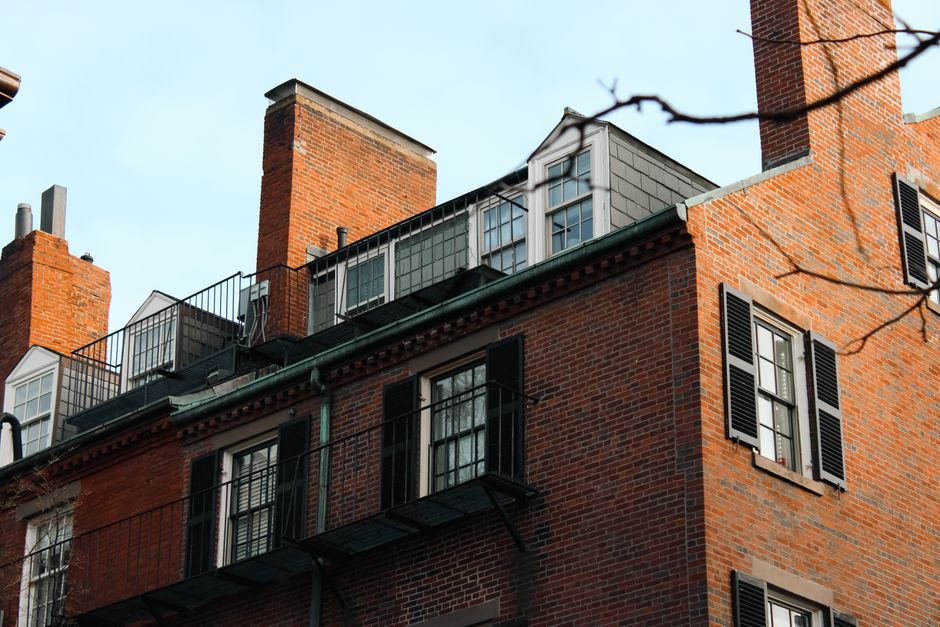
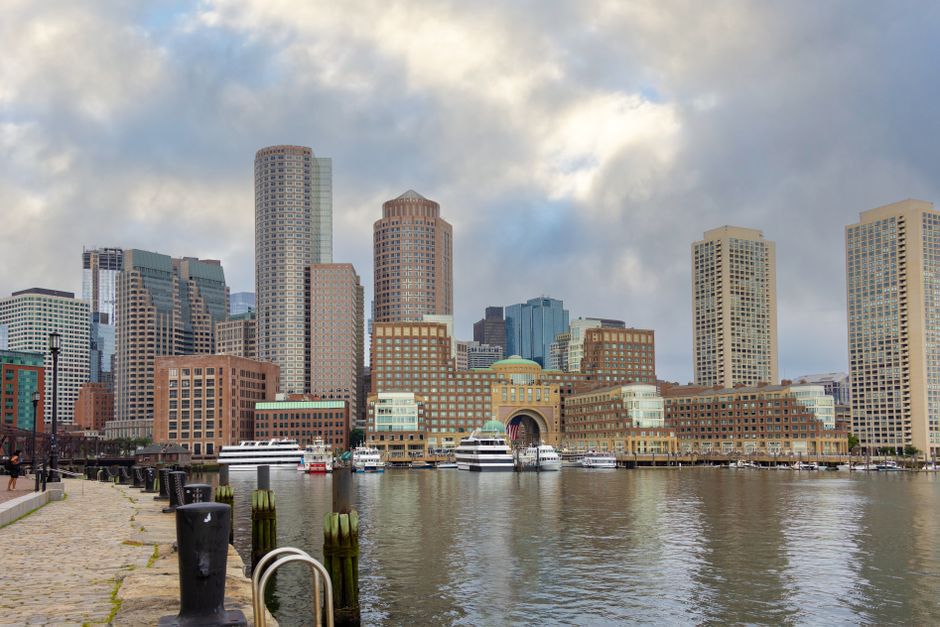
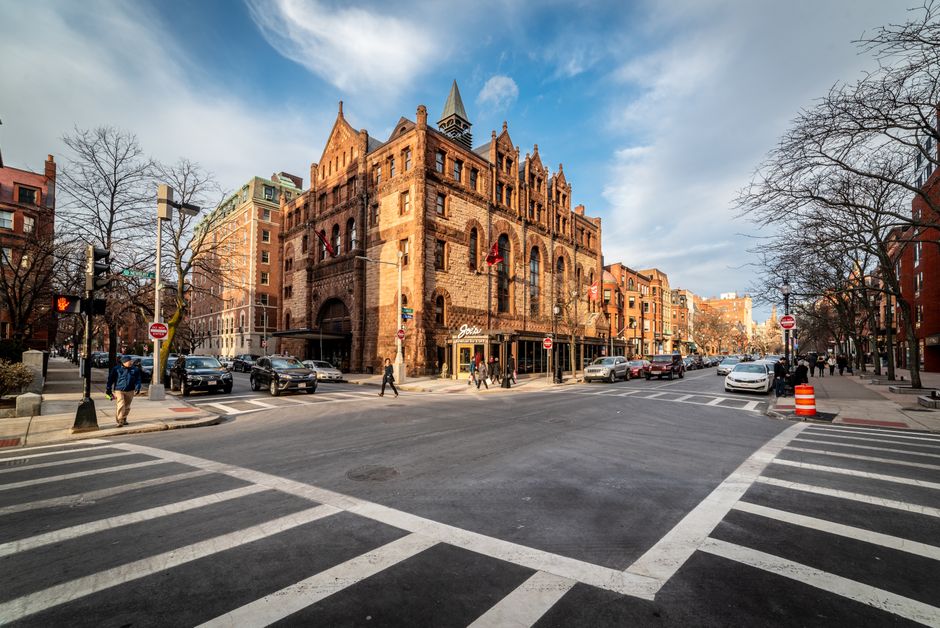
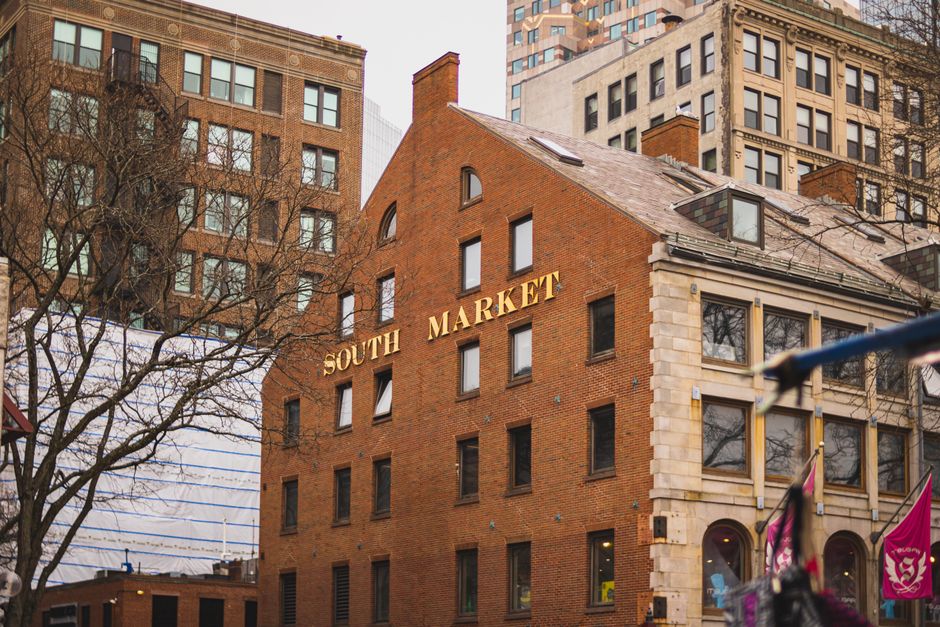
South Boston's property market has entered a new chapter. Once considered a neighbourhood on the periphery, Southie is now attracting serious capital—and prices reflect the shift dramatically. The median asking price in South Boston has climbed to approximately $850,000, outpacing the city-wide median of $780,000, with some properties along the waterfront and near the Boston Convention & Exhibition Center commanding premiums approaching $1.2 million.
The drivers are straightforward but powerful. Infrastructure investment remains the cornerstone. The ongoing Rose Kennedy Greenway extension, coupled with the continued revival of the waterfront district, has transformed neighbourhood walkability. Young professionals increasingly favour the direct Red Line access to Cambridge and MIT, making South Boston a compelling alternative to saturated Beacon Hill properties priced well beyond $2 million.
Institutional momentum matters too. Recent rezoning decisions near the Seaport District have unlocked residential development potential, while the neighbourhood's cultural infrastructure—independent galleries, restaurants along East Broadway, and the thriving arts community centred near the Cyclorama—appeal to demographics typically willing to pay premium prices. The arrival of tech industry talent gravitating from Cambridge has created sustained demand for modern apartments and renovated townhouses.
But seasoned investors should heed caution signals. Supply remains constrained; new residential units are coming, but slowly. This creates bidding pressure on existing stock, with multiple offers becoming commonplace. Properties require thorough due diligence around flood risk—South Boston's proximity to Boston Harbour means climate adaptation costs are real and rarely priced into initial valuations.
For buyers considering South Boston now, timing involves trade-offs. Entering today captures appreciation momentum but at elevated entry prices. Properties requiring renovation offer better value than move-in ready units, though construction timelines matter in a market where rates may shift. The neighbourhood's transformation remains incomplete; investors betting on further gentrification should consider three-to-five-year holding periods minimum.
Cambridge and Somerville, by contrast, remain competitive for those seeking proximity to universities without South Boston's waterfront premium. But the calculus is shifting. South Boston is no longer a secondary market—it's become a primary investment zone. Buyers must understand they're purchasing into neighbourhood momentum, not just real estate. That distinction carries significant financial weight.
This article was compiled by AI and screened before publishing. See our editorial standards.
How does this story make you feel?
Spread the word
About this article
Published by The Daily Boston
Daily brief
Free, in your inbox before 7am. Weekdays.
More in Property