Boston's property development machine is accelerating at a pace not seen in over a decade. With the median home price holding steady around $780,000, a clutch of newly approved projects across the city's most dynamic neighborhoods promises to reshape the urban landscape and, potentially, offer some relief to a chronically tight housing market.
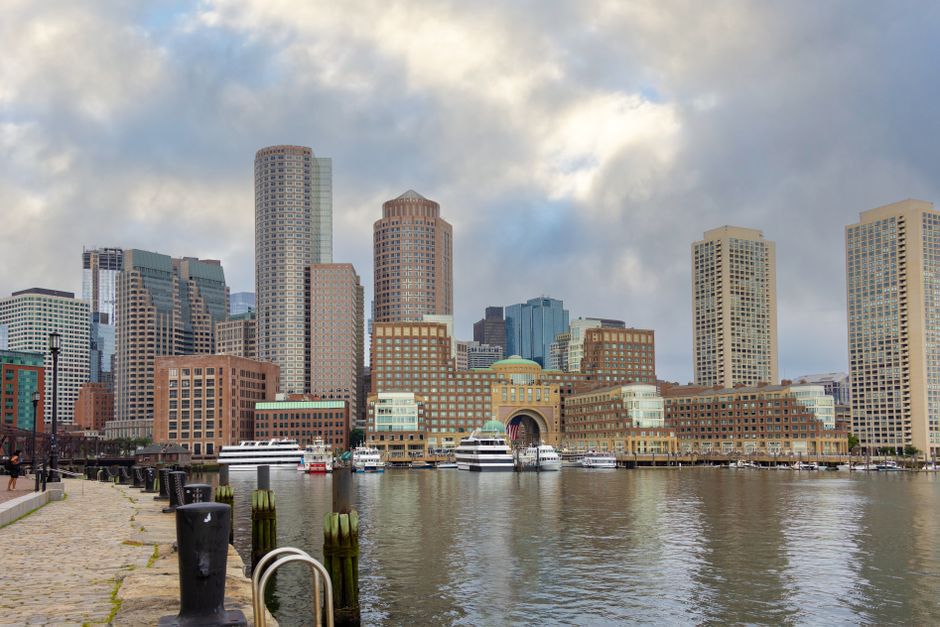
The most visible transformation continues along the Seaport District, where mixed-use developments are transforming former industrial waterfront into residential and commercial hubs. Recent approvals for additional office-to-residential conversions signal a pragmatic response to post-pandemic workspace realities. These projects typically deliver 200-400 units per site, with pricing that undercuts Back Bay and Beacon Hill premiums by 15-20 percent—significant in a market where even modest one-bedrooms command $550,000-plus.
But the real momentum is building in Somerville and Cambridge, traditionally more affordable alternatives now experiencing their own supply crunch. The Green Line extension catalyst continues to drive approvals along major corridors. Recent projects near Assembly Square and along Cambridge Street are targeting mid-market renters and first-time buyers, with unit counts exceeding 1,000 across multiple sites. This density matters: new supply in these neighborhoods could meaningfully absorb demand that might otherwise push further into declining inventory areas.
South Boston's ongoing transformation deserves attention too. Waterfront developments and adaptive reuse projects in the Fort Point neighborhood are adding both residential capacity and cultural institutions. When a 40-story residential tower gets approval near the Innovation District, it signals confidence that the city's job market can support the residents these buildings will house.
The regulatory shift underlying these approvals is equally important. Streamlined permitting timelines and zoning flexibility—particularly around parking requirements and unit-mix ratios—have reduced approval cycles from three years to 18 months in some cases. This matters economically. Faster approvals mean lower carrying costs and faster delivery, theoretically translating to more competitive pricing.
Still, skeptics note that new supply must keep pace with underlying demand. International interest in Boston's real estate remains robust, university expansion continues to drive housing pressure, and corporate relocations from higher-tax states haven't slowed. The pipeline of 8,000-plus units currently under construction or approved is substantial, yet may only stabilize rather than significantly cool market conditions.
For neighborhoods like Charlestown and Jamaica Plain, where gentrification anxiety runs high, these developments carry dual significance: they represent economic vitality and jobs, but also displacement risk for existing renters. How the city manages this balance—through inclusionary zoning, community benefit agreements, and affordable unit mandates—will ultimately determine whether this development wave benefits all Bostonians or only those already priced well into the market.
This article was compiled by AI from the sources linked above and screened before publishing. See our editorial standards.