Boston's property investment scene has fundamentally shifted. The days of blanket appreciation across all postcodes are fading, replaced by a hyper-localised market where neighbourhood selection—not just timing—determines whether you'll see healthy yields or dead money.
For first-time investment buyers, the math is unforgiving. At the city's $780k median, a typical rental property demands serious capital and leaves little margin for error. But pockets of opportunity remain for those willing to be surgical about location.
Start with realistic yield expectations. Boston's traditional blue-chip suburbs—Beacon Hill, Back Bay—deliver stability over spectacle. Expect gross yields of 2–3 per cent in these markets, where tenant quality and property values rarely disappoint, but where capital growth has plateaued. These neighbourhoods suit investors prioritising security over fireworks.
Somerville and Cambridge tell a different story. University-adjacent pockets along Massachusetts Avenue and near Central Square continue attracting younger renters willing to pay premium rents. Gross yields here can touch 4–4.5 per cent, though vacancy risks rise if enrollment dips. Scout properties within walking distance of the T and retail precincts like Union Square.
South Boston's transformation offers the riskiest-reward profile. Ongoing gentrification around the Seaport and Congress Street corridors has drawn young professionals and families, pushing rents upward. But the neighbourhood remains in transition; capital appreciation isn't guaranteed, and oversupply of new units poses medium-term headwinds.
Before committing capital, stress-test your numbers ruthlessly. Factor in 25–30 per cent vacancy, maintenance at 1 per cent of property value annually, and property management fees of 8–10 per cent if you're not self-managing. Boston's property taxes—roughly 1.2 per cent of assessed value—are higher than US averages and will squeeze your returns.
Financing matters enormously for first-timers. Investment properties typically require 20–25 per cent down and command higher mortgage rates than owner-occupier loans. Shopping rates across Boston banks and credit unions can save tens of thousands over a 30-year hold.
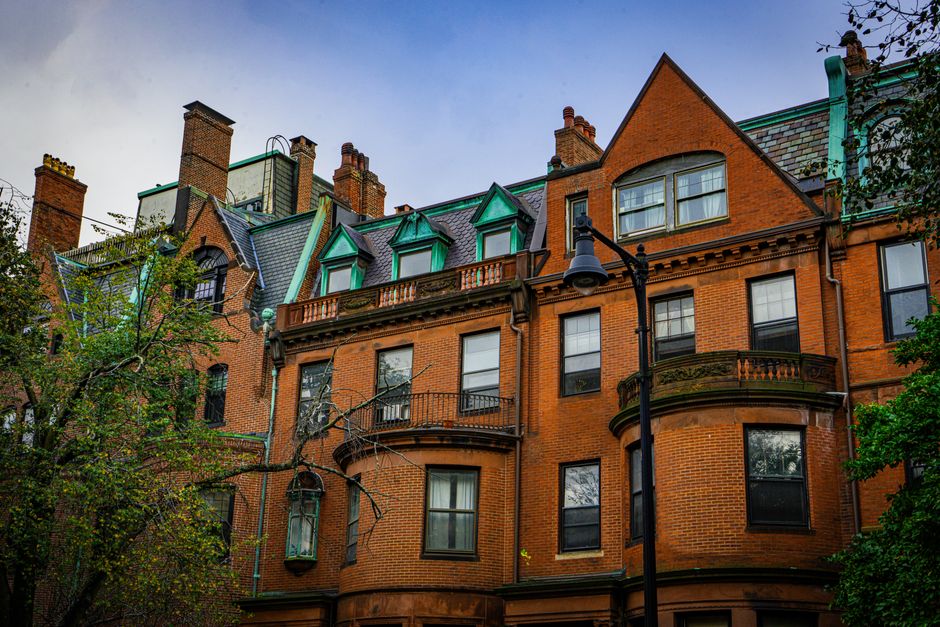
Finally, avoid the trap of emotional decision-making. A charming Brownstone on Charles Street may feel safe, but it won't generate the yield a well-selected multi-unit in Somerville will. The strongest Boston investors separate sentiment from spreadsheets, treating property as a financial instrument first and a building second.
The market isn't broken—it's simply less forgiving of mediocre execution than it was five years ago.
This article was compiled by AI and screened before publishing. See our editorial standards.