Boston's luxury property market has long traded on heritage and exclusivity, but 2026 tells a more complex story about where wealth-seeking investors are actually seeing returns. With the city's median home price hovering around $780,000, the prestige segment—properties above $2 million—represents a distinct ecosystem where spreadsheet arithmetic increasingly matters as much as address prestige.
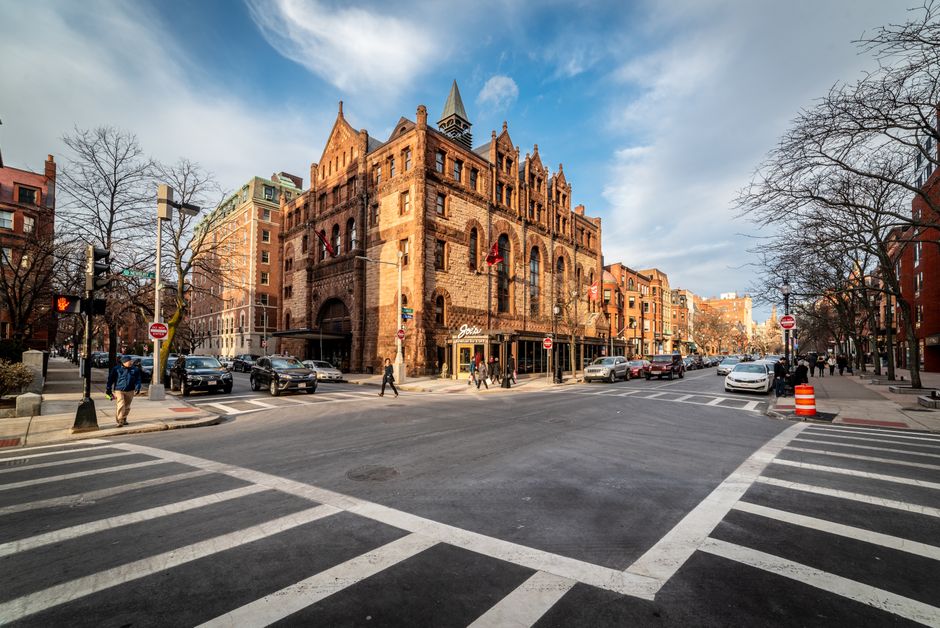
Recent transaction analysis from commercial real estate databases shows Beacon Hill maintaining its traditional strength. Properties along Louisburg Square and Mount Vernon Street continue appreciating at 3.2–4.1 per cent annually, though holding periods have lengthened to an average of 8–10 years. The neighbourhood's yield on rental conversions averages 2.8 per cent, modest but stable for investors prioritising capital preservation over cash flow.
Back Bay tells a different story. Charles Street corridor properties and those fronting the Public Garden have seen sharper appreciation—averaging 5.4 per cent over five years—but transaction velocity has slowed considerably. Investors report tighter margins between purchase and exit, particularly for properties exceeding $3.5 million. The neighbourhood's rental yield sits at 2.1 per cent, making it increasingly a buy-and-hold play rather than an income generator.
The real shift, however, is happening in Cambridge and Somerville peripheries. Properties within walking distance of Harvard Square and MIT precincts—traditionally overlooked by prestige-focused capital—have delivered 6.8 per cent appreciation alongside 3.6 per cent rental yields. A recently completed study by local commercial brokers suggests institutional investors and family offices are deliberately moving upstream from Beacon Hill, targeting well-appointed homes in the $1.2–$1.8 million range where student housing demand and academic employment create more robust tenant pools.
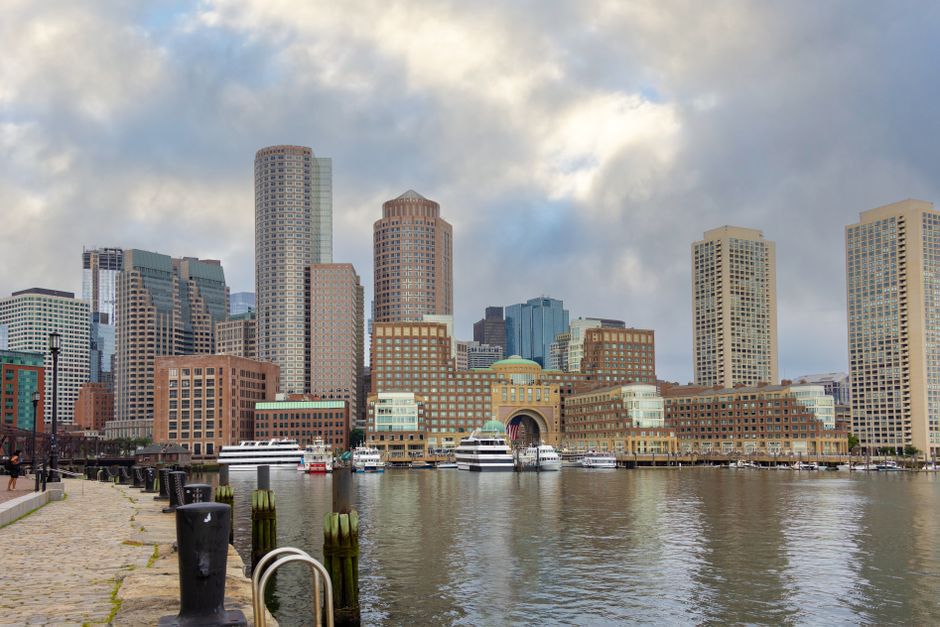
South Boston's transformation continues rewarding early-movers, though the market is consolidating. Waterfront penthouses near the Harborwalk command premium prices but face headwind from rising property taxes and condo association fees—a critical consideration for yield-conscious investors.
What the numbers consistently show: Boston's luxury market rewards patience and location specificity. Generic prestige—buying a high price tag alone—no longer guarantees returns. Investors winning today combine neighbourhood fundamentals (university proximity, transit access, commercial vibrancy) with realistic exit timelines and honest yield expectations. The days when Beacon Hill automatically outperformed everything else appear genuinely past.
This article was compiled by AI from the sources linked above and screened before publishing. See our editorial standards.