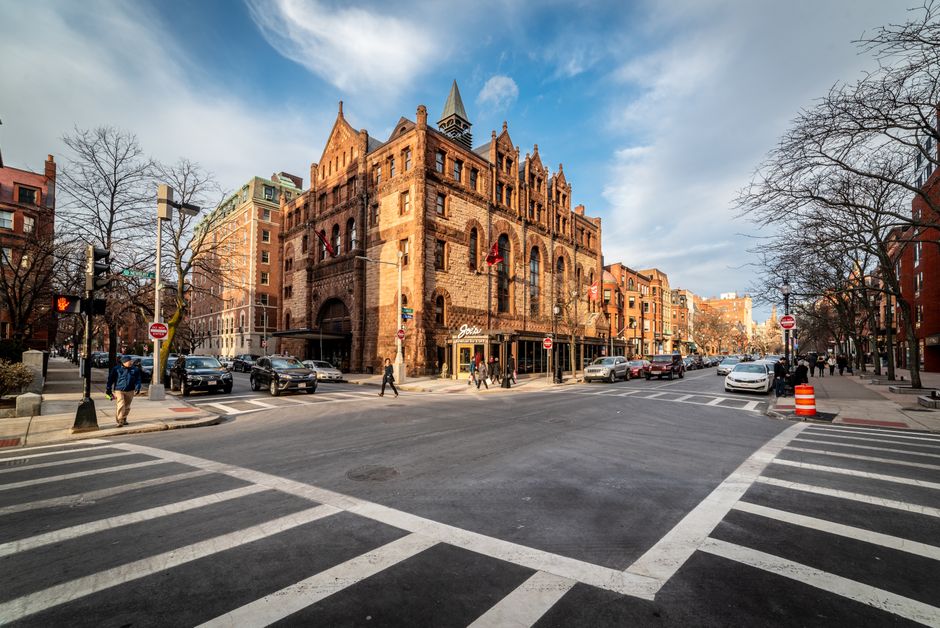
The math no longer works the way it used to for Boston landlords. With median rents in Back Bay now exceeding $3,200 for a one-bedroom and investment property yields hovering around 3.5 per cent—down from historical averages near 5 per cent—property owners who bought five years ago are discovering that cash flow has become a luxury rather than a given.
The tension between investor expectations and market reality is reshaping how Boston's rental market functions. Along Commonwealth Avenue and in the increasingly saturated student housing zones of Allston and Brighton, landlords are caught between rising property taxes, maintenance costs, and the regulatory pressure to maintain decent standards. Meanwhile, renters face an inverse squeeze: wages in the Boston metro area have grown roughly 2.3 per cent annually, while rents have climbed nearly 4 per cent per year over the past three years.
Somerville and Cambridge have become inadvertent bellwethers for this dynamic. Once affordable alternatives to Boston proper, these neighbourhoods now command rents that consume 35-40 per cent of median household income—well above the sustainable 30 per cent threshold. Landlords here report longer vacancy periods and more rigorous tenant vetting, while property management firms note increasing requests for flexible lease terms and payment plans.
The investment calculus has shifted accordingly. Seasoned property investors are increasingly targeting multi-unit buildings in up-and-coming corridors like South Boston and Jamaica Plain, where total acquisition costs remain lower and the tenant pool—young professionals, families being pushed out of Beacon Hill and Back Bay—remains robust. However, even these investors acknowledge the era of double-digit annual appreciation has likely passed.
For tenant advocacy groups like the Boston Tenants Union, the current environment underscores a structural problem: landlords are optimising for yield in a market where housing stock remains constrained, pushing ordinary workers into longer commutes or shared housing arrangements. Some property owners counter that regulatory burden—including ongoing pressure around rental registration and anti-discrimination compliance—has meaningfully reduced their margins.
What's emerging is a bifurcated market. Well-capitalised institutional investors and REITs can absorb lower yields in exchange for stable, diversified portfolios. Individual landlords and smaller operators, particularly those holding single or dual properties in mid-tier neighbourhoods, are either selling or raising rents aggressively to maintain returns. Tenants, inevitably, absorb the friction.
As Boston's housing squeeze persists, the rental market will likely remain a zero-sum contest—at least until supply dynamics shift fundamentally.
This article was compiled by AI from the sources linked above and screened before publishing. See our editorial standards.