Rental squeeze: How Boston's tight market is reshaping the deal between tenants and landlords
With median rents climbing faster than wages, both sides of Boston's rental equation are feeling the strain—and the power dynamics are shifting.
With median rents climbing faster than wages, both sides of Boston's rental equation are feeling the strain—and the power dynamics are shifting.
Boston's rental market has become a high-wire act, with tenants and landlords increasingly at odds over who bears the cost of scarcity. With median rents now hovering around $2,100 monthly for a one-bedroom apartment—up roughly 8% year-over-year—the city's affordability crisis is reshaping the fundamental relationship between renters and property owners.
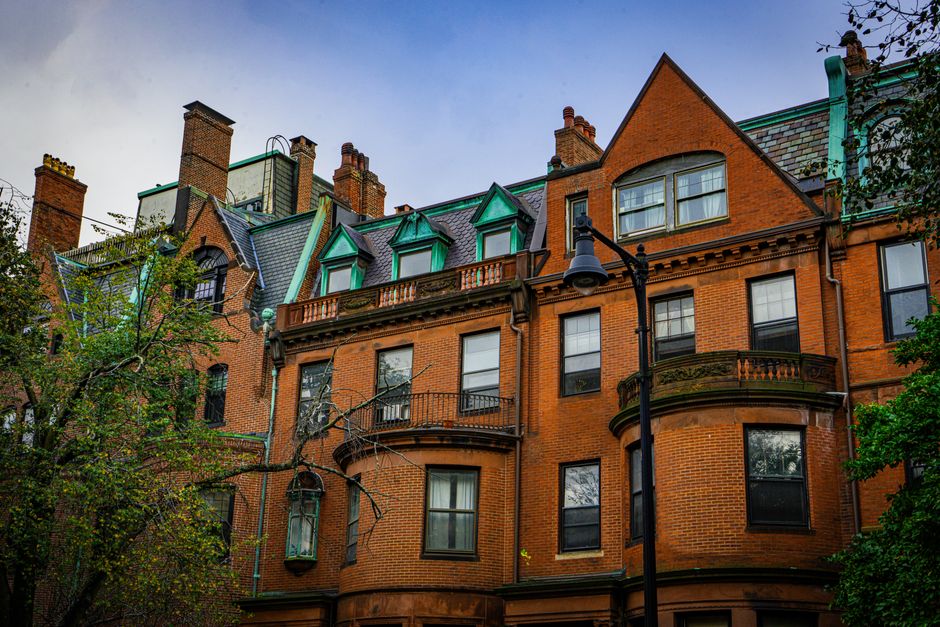
In traditionally tight neighborhoods like Beacon Hill and Back Bay, where rents can exceed $3,500 for modest two-bedroom units, landlords hold unprecedented leverage. Yet that power comes with its own complications. Rising property taxes, insurance costs, and maintenance expenses are squeezing returns, forcing many owners to choose between raising rents aggressively or deferring repairs. Some are simply exiting the market, converting rental properties to condominiums for sale—a trend that shrinks the available rental stock further.
The tension is most acute in neighborhoods experiencing rapid gentrification. In South Boston, where a decade ago you could rent a decent apartment for under $1,500, landlords are now charging $2,600 to $3,000 for comparable units. Longtime tenants who've held leases for years face eye-watering renewals; those seeking new apartments often find themselves competing in bidding wars or agreeing to above-asking terms just to secure housing.
Meanwhile, Somerville and Cambridge—long considered more affordable alternatives—are losing that distinction. Cambridge's proximity to MIT and Harvard has driven median rents above $2,400, pricing out graduate students and junior academics who once anchored these communities. Somerville's Davis Square and Union Square have followed suit, with landlords banking on continued demand from university overflow.
Tenant advocacy groups like Greater Boston Legal Services report unprecedented inquiries about lease violations and improper eviction notices. Landlords, conversely, cite rising operational costs and difficulty finding reliable tenants willing to sign longer leases. The traditional 12-month lease is increasingly replaced by month-to-month arrangements, destabilizing both parties.
Some relief may be on the horizon. The Boston Planning & Development Agency's focus on zoning reform and expedited permitting for new residential construction could eventually increase supply. But those units remain years away. For now, the rental market's mathematics remain unforgiving: too many people chasing too few apartments in a city where the median home price sits at $780,000, pushing would-be buyers back into the rental pool.
The rental squeeze, ultimately, reveals a market out of balance—one where neither tenants nor landlords feel secure in their arrangements, and where Boston's character as a diverse, economically mixed city hangs increasingly in question.
This article was compiled by AI and screened before publishing. See our editorial standards.
How does this story make you feel?
Spread the word
About this article
Published by The Daily Boston
Daily brief
Free, in your inbox before 7am. Weekdays.
More in Property