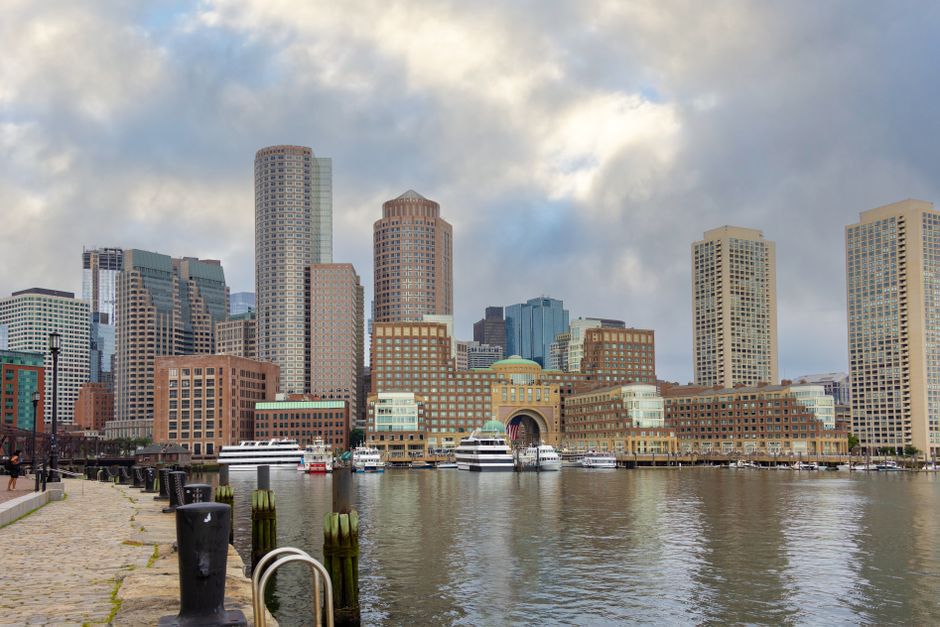
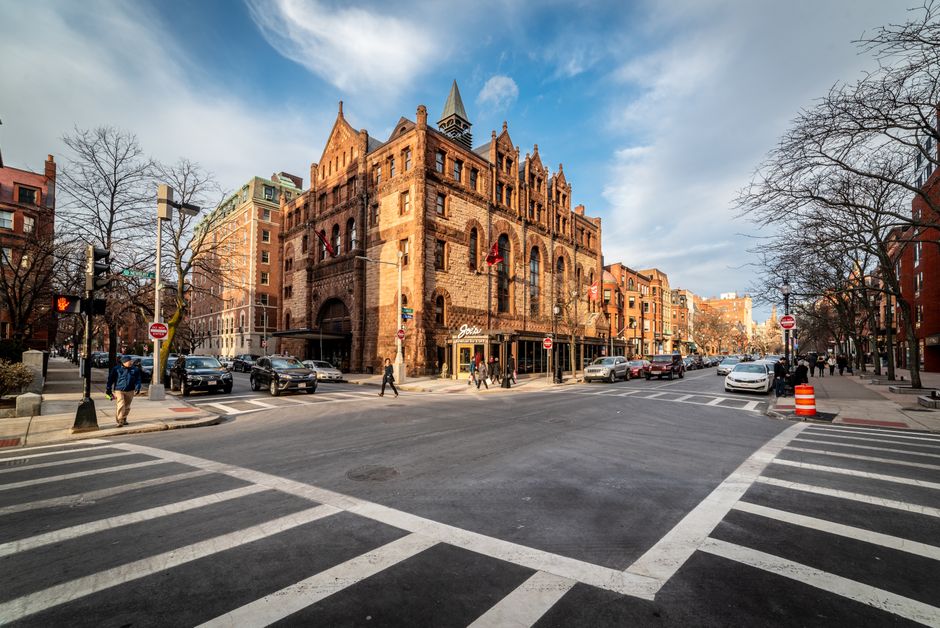
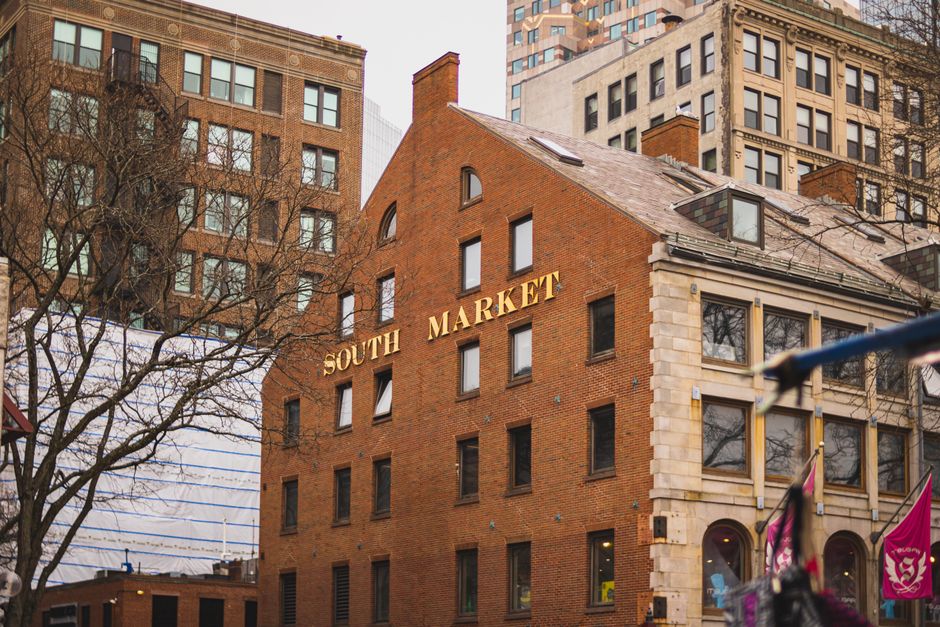
The first-time buyer's dream in Boston has fundamentally shifted. A modest two-bedroom on Pinckney Street in Beacon Hill now routinely exceeds $1.2 million. Meanwhile, South Boston's waterfront transformation and Cambridge's continued university-driven growth have created a dual-pressure market that's simultaneously pushing prices upward while narrowing entry points for newcomers.
So what's really driving these numbers? Three forces are reshaping the landscape. First, institutional investment has intensified. Universities like MIT and Harvard continue absorbing properties across Cambridge and Somerville, supporting graduate housing and faculty accommodation—a trend that removes inventory from the traditional buyer pool. Second, remote work normalisation has extended Boston's premium beyond traditional professional corridors; young professionals can now afford $680k in Somerville's Tufts-adjacent neighbourhoods while maintaining Manhattan salary expectations. Third, underbuilt supply in high-demand areas means competition remains fierce even as interest rates stabilise.
For first-time buyers, understanding available support is critical. Massachusetts' DOWN Payment Assistance Loan Program remains the most accessible pathway, offering up to $40,000 in forgivable loans for households earning below area median income—currently around $155,000 for a family of four in the Boston area. The program explicitly targets neighbourhoods experiencing economic transition, making South Boston and parts of Roxbury and Dorchester strategic entry points. The Massachusetts Housing Finance Agency also administers the MassHousing First Mortgage Program, which permits lower down payments and more flexible credit requirements than conventional financing.
Community development organisations like the Dorchester Bay Economic Development Corporation and the Somerville Community Corporation offer counselling services and can connect buyers to lesser-known municipal grants. Boston's own Inclusionary Development Policy, while primarily targeting developers, occasionally creates opportunities for early buyers in new mixed-income projects.
The median $780,000 figure masks significant variation: Beacon Hill and Back Bay remain premium territory, while emerging neighbourhoods like parts of Mattapan and Eastie offer sub-$500,000 opportunities—though gentrification risk is real. Smart first-time buyers are looking beyond the Cambridge-Somerville-Back Bay corridor, where institutional capital concentrates, toward emerging zones served by transit and proximity to employment hubs.
The key insight? Prices aren't driven by scarcity alone—they're shaped by capital allocation, demographic pressures, and policy choices. Understanding those forces helps buyers identify where they can actually compete, and which grants and programs have real teeth right now.
This article was compiled by AI from the sources linked above and screened before publishing. See our editorial standards.