Boston's median home price has settled around $780,000, but that headline figure masks a deeper reality: the affordable housing squeeze is fundamentally rewriting the buyer's playbook across every neighbourhood from Somerville to South Boston.
The core pressure stems from supply collapse at the lower end. Fewer than 12% of available homes in the Greater Boston area now sell below $500,000, according to recent market data—down sharply from historical norms. Simultaneously, inclusionary zoning requirements, now standard across most municipalities, mandate that 13–25% of new residential projects include deed-restricted units. While this protects affordability long-term, it reduces the pool of market-rate inventory and drives up pricing for unrestricted units to cross-subsidise development costs.
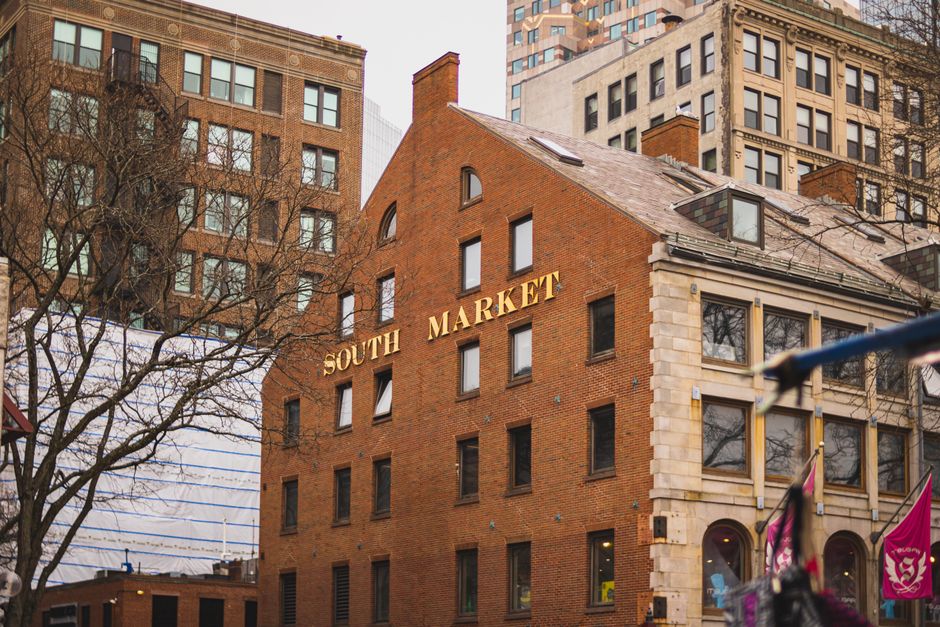
This dynamic is most acute in transitional neighbourhoods like South Boston and parts of Somerville, where rapid redevelopment around transit corridors has attracted investor activity. New construction on Hanover Street or near the Green Line extension sites is typically priced well above $1.2 million, while older stock—often smaller, older condos—remains under pressure from both owner-occupants and investor cash buyers seeking renovation plays.
Meanwhile, policy interventions are reshaping expectations. Massachusetts' recently strengthened Inclusionary Housing Policy, coupled with Boston's ongoing zoning reforms aimed at allowing more multi-family housing, signal that future supply may favour smaller units and rental conversions over single-family homes. This matters for buyers: those seeking single-family properties with yards in Brookline, Newton, or even outer Beacon Hill should expect continued competition and premium pricing.
First-time buyers face a critical decision point. Cambridge and Somerville, despite higher per-unit costs, offer proximity to employment and transit that may offset purchase price over time. Conversely, emerging markets further afield—areas serviced by commuter rail—remain relatively affordable but come with longer commutes and less walkability.
Organisations like the Boston Foundation and local housing trusts continue advocating for increased public funding and deed-restriction expansion, but policy moves slowly. Buyers should prepare for sustained pressure: expect 3–5% annual appreciation in constrained inner-ring neighbourhoods, driven more by scarcity than demand fundamentals.
For those priced out of Beacon Hill or Back Bay, the calculus is shifting toward patient saving, geographic flexibility, or rental holding until market conditions stabilise—a reality the June 2026 market makes impossible to ignore.
This article was compiled by AI from the sources linked above and screened before publishing. See our editorial standards.