Beacon Hill's Golden Return: What Luxury Property Investors Are Actually Earning
As Boston's prestige market defies broader slowdowns, the numbers reveal who's profiting—and where.
As Boston's prestige market defies broader slowdowns, the numbers reveal who's profiting—and where.
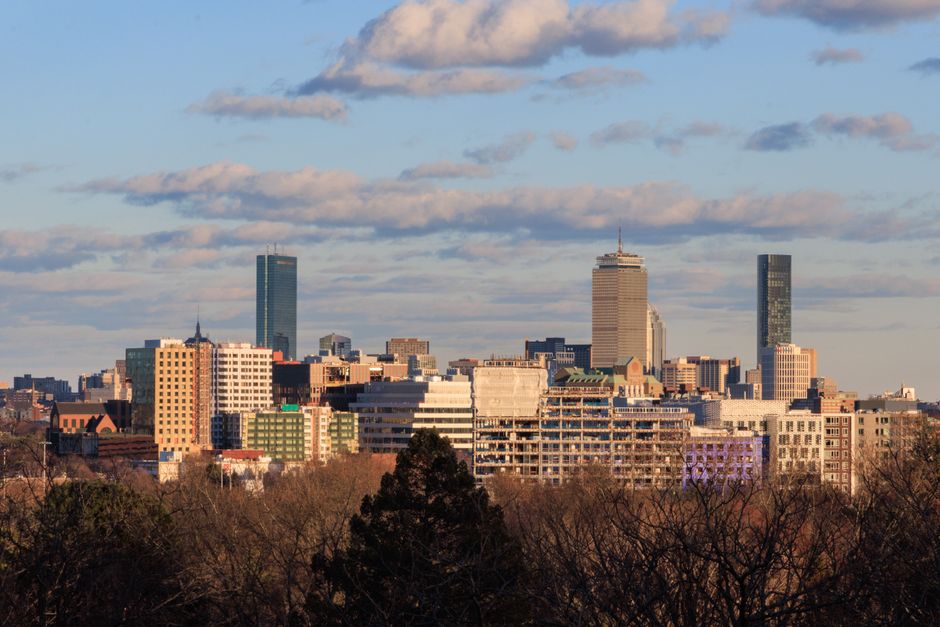
Boston's luxury property sector is telling a story the broader market isn't. While median prices across the city hold steady around $780,000, high-end investors in Beacon Hill and Back Bay are reporting rental yields that challenge conventional wisdom about prestige real estate as a wealth store rather than income generator.
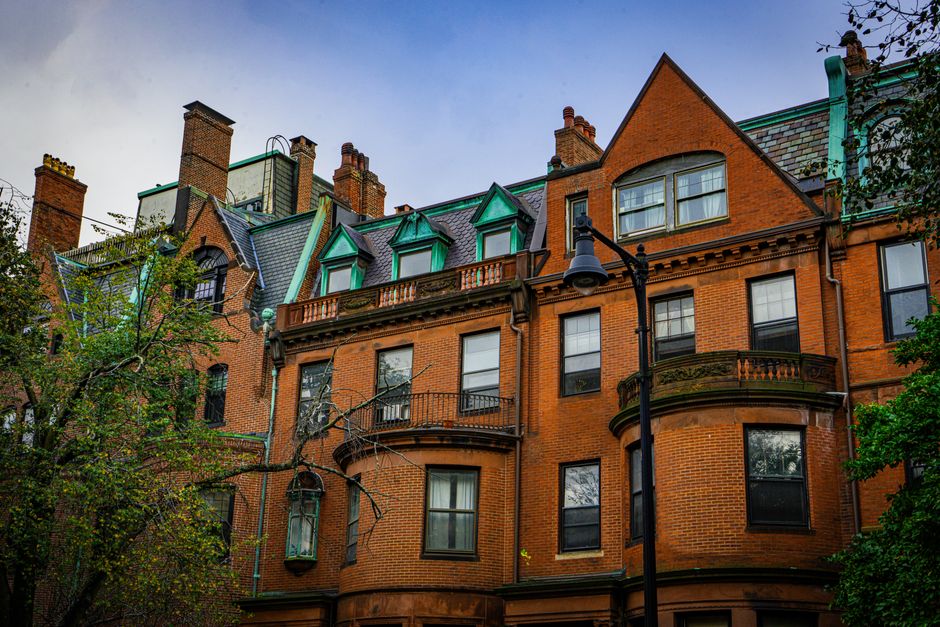
Recent transaction data shows properties on Mount Vernon Street and Louisburg Square—Boston's most coveted addresses—changing hands between $4.2 million and $6.8 million. What's striking isn't the price tags; it's what happens next. Investors are achieving gross rental yields of 2.8 to 3.4 percent on these trophy assets, a meaningful return in an era when many anticipated luxury property would deliver only appreciation.
The Cambridge and Somerville submarkets tell a different story. Proximity to Harvard and MIT has attracted institutional and high-net-worth capital seeking longer-term appreciation over immediate yield. Properties near Harvard Square command premiums, but investors there prioritize capital growth over rental income—a strategic divergence from Beacon Hill's more balanced approach.
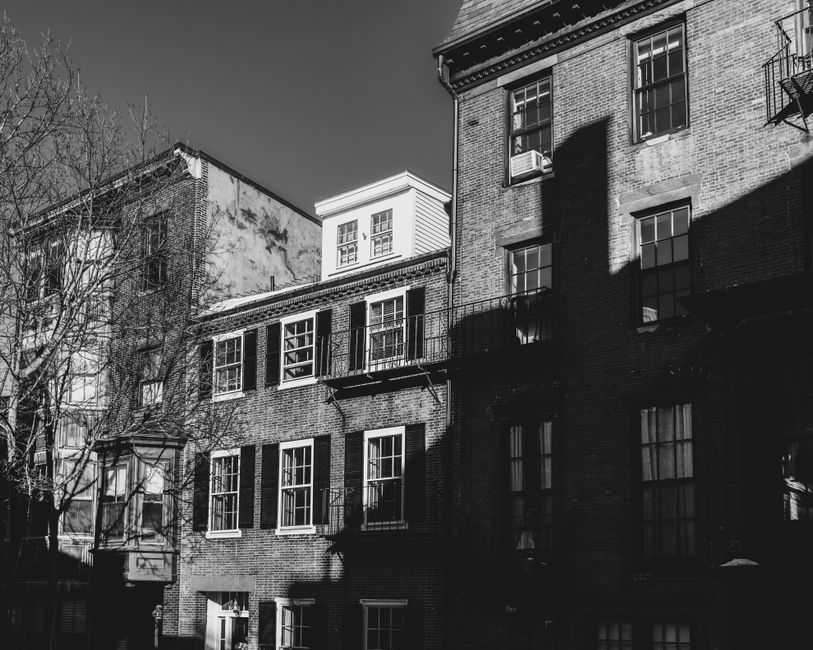
What's driving Beacon Hill's yield advantage? Supply constraints. The neighbourhood's architectural preservation requirements and limited turnover create scarcity. A recent sale on Charles Street—a three-bedroom, 2,100-square-foot unit—fetched $3.1 million and rents for approximately $8,500 monthly. That 3.3 percent gross yield, paired with property appreciation averaging 4-5 percent annually over the past three years, justifies investor confidence.
South Boston's transformation is creating a secondary story. Properties in the Waterfront and Seaport districts, while not yet commanding Beacon Hill premiums, are attracting investors seeking yield with upside. A recent $2.4 million penthouse conversion is returning $7,200 monthly—roughly 3.6 percent gross yield—with appreciation trajectories that could match Back Bay within five years.
Market conditions matter here. Interest rate stabilization has shifted investor calculus. When acquisition costs were climbing, yield became secondary to appreciation bets. Now, Boston's luxury market is rewarding balanced strategies: buy where scarcity ensures both income and growth.
The numbers suggest Boston's prestige market isn't the speculative casino some feared. Beacon Hill investors holding 5-7 year positions are seeing total returns—yield plus appreciation—approaching 8-10 percent annually. That's respectable by any metric, and it's reshaping how serious money views Boston's most exclusive addresses.
This article was compiled by AI from the sources linked above and screened before publishing. See our editorial standards.
How does this story make you feel?
Spread the word
About this article
Published by The Daily Boston
Daily brief
Free, in your inbox before 7am. Weekdays.
More in Property