Boston's luxury real estate market has entered a new stratosphere. While the city's median price hovers near $780,000, trophy homes in Beacon Hill and Back Bay are routinely crossing the $3 million threshold—and the dynamics driving these astronomical valuations reveal a market fundamentally reshaped by post-pandemic preferences and institutional wealth.
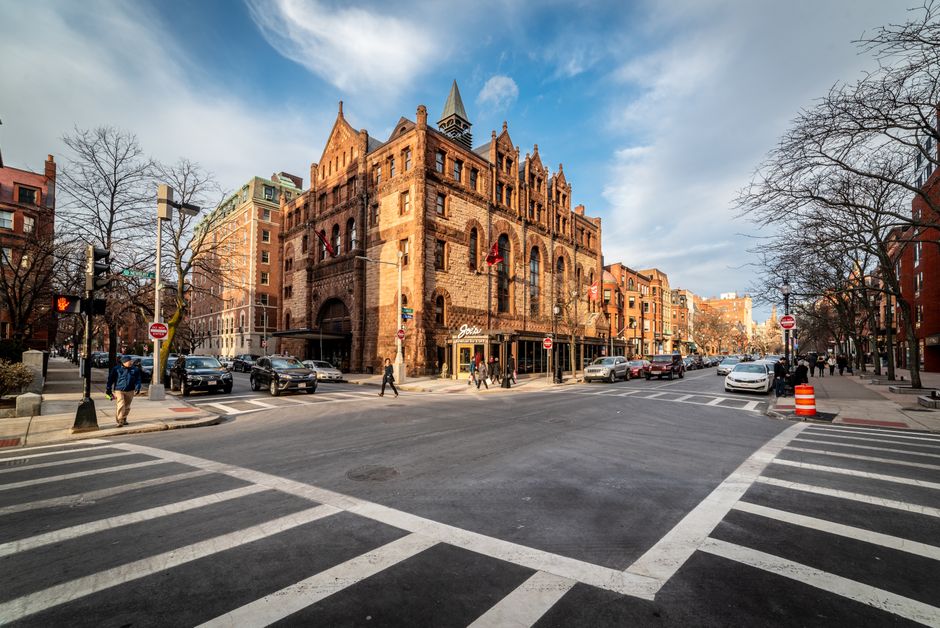
Several forces are converging. First, the concentration of institutional capital has intensified. Boston's proximity to Harvard, MIT, and major biotech corridors in Cambridge and Kendall Square continues to magnetize high-net-worth individuals and executives. These buyers treat premium addresses—Mount Vernon Street in Beacon Hill, Commonwealth Avenue's tree-lined stretches, or the restored townhouses along Charles Street—as both residences and alternative assets, often holding property through market cycles rather than flipping.
Second, scarcity is real. Historic neighborhoods like Beacon Hill and Back Bay have strict preservation requirements, limiting new luxury development. This has made existing period properties with modern renovations increasingly valuable. A recently updated Federal townhouse with original moldings and contemporary systems now commands premiums that would have seemed unimaginable five years ago.
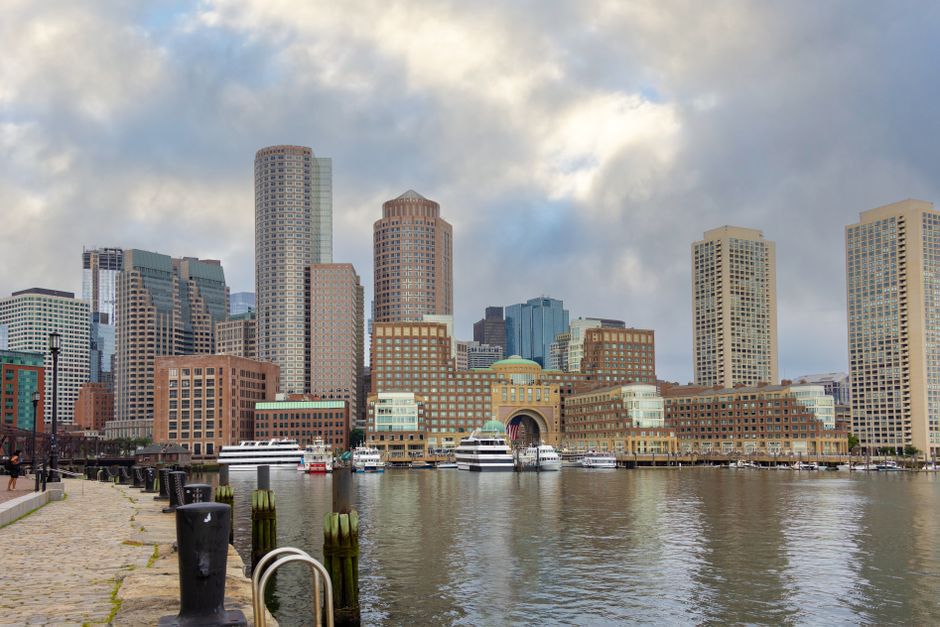
Third, the South Boston transformation has created a new luxury corridor. Once overlooked, the neighborhood's Waterfront District now attracts buyers priced out of traditional strongholds. New developments along Boston Harbor, combined with proximity to the Innovation District, have established a secondary luxury market where $2 million buys modernist glass-and-steel rather than historic brick.
For buyers navigating this environment, timing remains elusive. Interest rate volatility continues to influence leverage decisions, and while the Fed's recent stabilization has provided some predictability, seasoned investors are hedging against further fluctuations. Professional counsel—particularly from brokers embedded in institutional networks—has become nearly essential.
Authenticity matters more now. Buyers increasingly distinguish between genuine period restoration and superficial updating. Properties maintaining original architectural integrity while integrating contemporary amenities command stronger buyer enthusiasm and hold value longer.
Finally, the buyer profile itself has shifted. Corporate relocations, remote-work flexibility, and international capital flows mean Boston's luxury market now attracts buyers from San Francisco, New York, and London in unprecedented numbers. This has globalized pricing expectations and compressed negotiation timelines.
The Boston luxury market remains robust, but today's high-end purchasers must approach acquisitions with institutional discipline: verify authenticity, understand tax implications, and move decisively when the right property emerges. The days of leisurely negotiation in premium neighborhoods have largely passed.
This article was compiled by AI and screened before publishing. See our editorial standards.