Boston's property market has long operated as a two-tier system: premium inner rings command stratospheric prices, while outer neighbourhoods play catch-up. That calculus is fragmenting. Today, what drives values in Jamaica Plain bears little resemblance to what's reshaping Somerville or accelerating the Seaport's transformation—and missing those distinctions could cost buyers hundreds of thousands.
Start with Somerville. The $780,000 city median masks a neighbourhood increasingly shaped by proximity to the Red Line and Cambridge's tech corridor. Properties within walking distance of Davis Square or Union Square have appreciated 8-12% year-on-year, according to local agents, driven less by scarcity than by predictable commute times and young professional density. But here's what matters: this growth assumes sustained interest-rate stability. Recent volatility has already cooled bidding wars that characterised 2024-25. Buyers should expect realistic negotiation windows through autumn.
Jamaica Plain tells a different story entirely. While Somerville rode transit and spillover demand from Cambridge, JP's surge stems from cultural infrastructure and neighbourhood revitalisation. The renovation of the Stony Brook corridor, expanded green space around the Jamaicaway, and grassroots arts organisations around Centre Street have attracted families and creative professionals prepared to commit long-term. Prices here reflect lifestyle arbitrage—paying less than Beacon Hill while gaining walkability, restaurants, and community character. The risk? These amenities require ongoing public and private investment. A pullback in municipal funding or loss of anchor institutions (local nonprofits, schools) could destabilise the narrative.
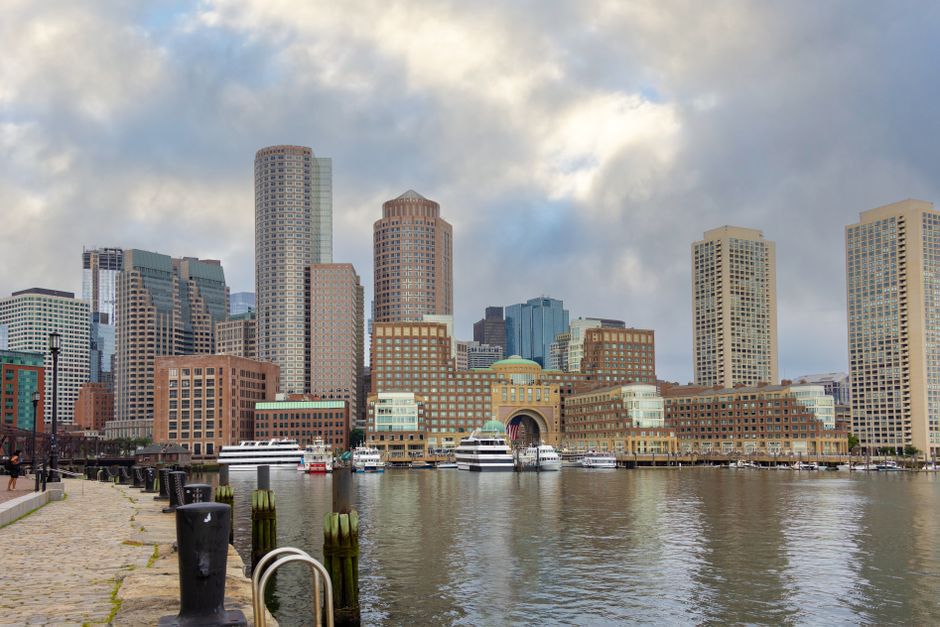
The Seaport demands the most caution. Its $2m-plus median reflects speculative momentum as much as fundamentals. Luxury waterfront supply remains constrained, but office-to-residential conversion glut across Boston could eventually depress values if leasing stalls. Buyers here are banking on sustained corporate relocation and international investment—realistic, but contingent.
What unites these neighbourhoods: all depend on factors beyond individual property characteristics. Somerville's value hinges on transit reliability and remote-work durability. Jamaica Plain requires sustained community investment. The Seaport needs corporate Boston to remain robust.
The broader lesson? Boston's outer-ring neighbourhoods aren't rising because they're becoming Beacon Hill. They're rising because each offers distinct value propositions to different buyer cohorts. Before committing capital, identify which fundamentals actually matter to your timeline and tolerance for volatility. The median may tell you what Boston costs; local drivers tell you what it's worth.
This article was compiled by AI from the sources linked above and screened before publishing. See our editorial standards.