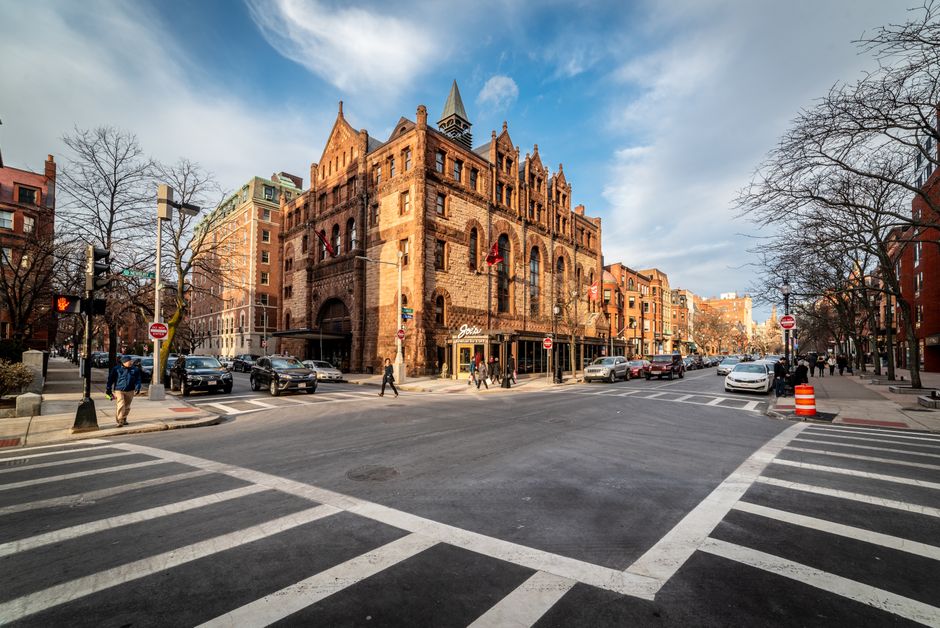
From Renter to Owner: A First-Time Buyer's Guide to Boston's Shifting Rental Market
With vacancy rates climbing across Greater Boston, prospective homebuyers have a rare window to understand neighbourhood dynamics before committing to purchase.
With vacancy rates climbing across Greater Boston, prospective homebuyers have a rare window to understand neighbourhood dynamics before committing to purchase.
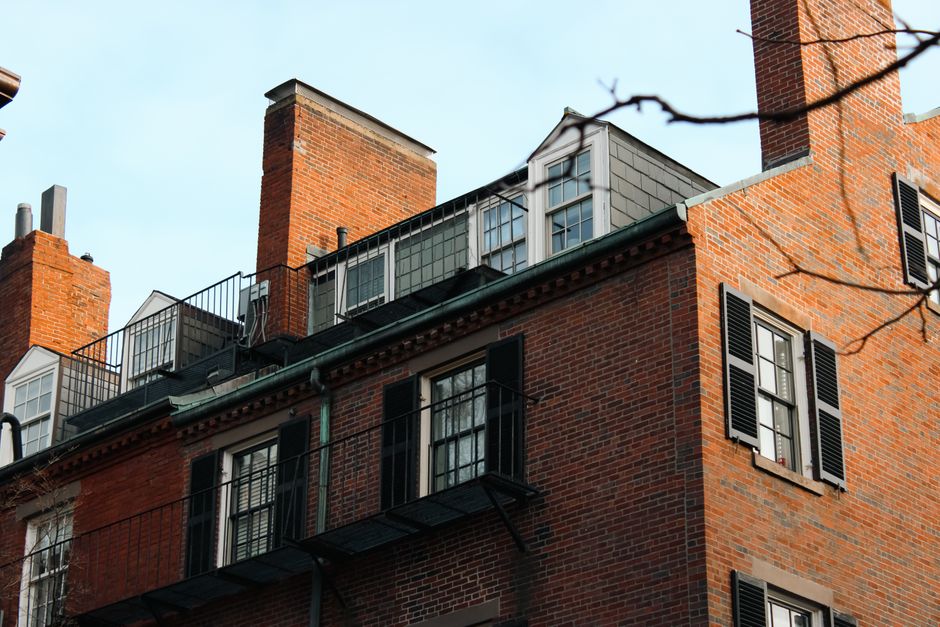
For years, Boston's rental market has been a seller's game. But 2026 tells a different story. Vacancy rates across the city and surrounding areas have begun to climb, creating an unexpected advantage for first-time homebuyers willing to look beyond the headlines.
The shift is most visible in traditionally competitive neighbourhoods. While Beacon Hill and Back Bay maintain their premium positioning—with median prices hovering near $850,000—areas like Somerville and Cambridge are experiencing rental softness that signals broader market recalibration. This cooling effect offers first-time buyers a clearer lens to evaluate where they actually want to live, rather than where desperation forces them.
"The rental data is your early warning system," explains the logic behind this strategy. High vacancy in a neighbourhood suggests either oversupply or weakening demand. For buyers, this means less competition from investors snapping up properties, and potentially softer asking prices. South Boston's ongoing transformation provides a case study: as new rental units flooded the market around the Fort Point Channel, buyer interest initially stalled, then stabilised at more reasonable price points than comparable neighbourhoods.
Consider your timeline carefully. First-time buyers should spend 6-12 months observing target areas. Walk Commonwealth Avenue in the evenings. Visit cafes on Charles Street. Check occupancy at local venues like the Prudential Center and Harvard Square. Talk to tenants, not just landlords. This intelligence gathering costs nothing but yields invaluable insights into neighbourhood stability, amenities, and commute realities.
The university-driven demand that typically inflates Cambridge and Boston proper remains robust, but it's no longer creating artificial pressure everywhere. Neighbourhoods further from MIT, Harvard, and Boston University are experiencing genuine price discovery for the first time in years.
A practical checklist: review three years of rental listing data for your target area; compare vacancy rates across seasons; assess whether new construction is residential or commercial; evaluate public transit investments (the Green Line extension discussions continue to shape Somerville valuations); and honestly calculate your commute to employment.
With the median Boston home price sitting around $780,000, first-time buyers need every advantage. Today's rental market vacancy data provides exactly that—a map of where neighbourhoods are genuinely desirable, versus where they're simply expensive. Use that information before your offer goes in.
This article was compiled by AI from the sources linked above and screened before publishing. See our editorial standards.
How does this story make you feel?
Spread the word
About this article
Published by The Daily Boston
Daily brief
Free, in your inbox before 7am. Weekdays.
More in Property