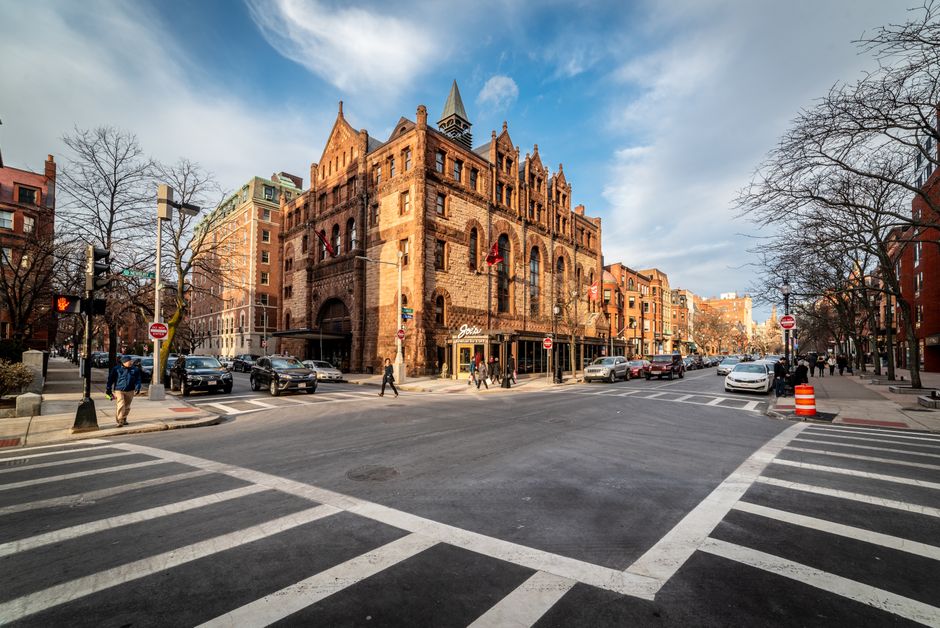
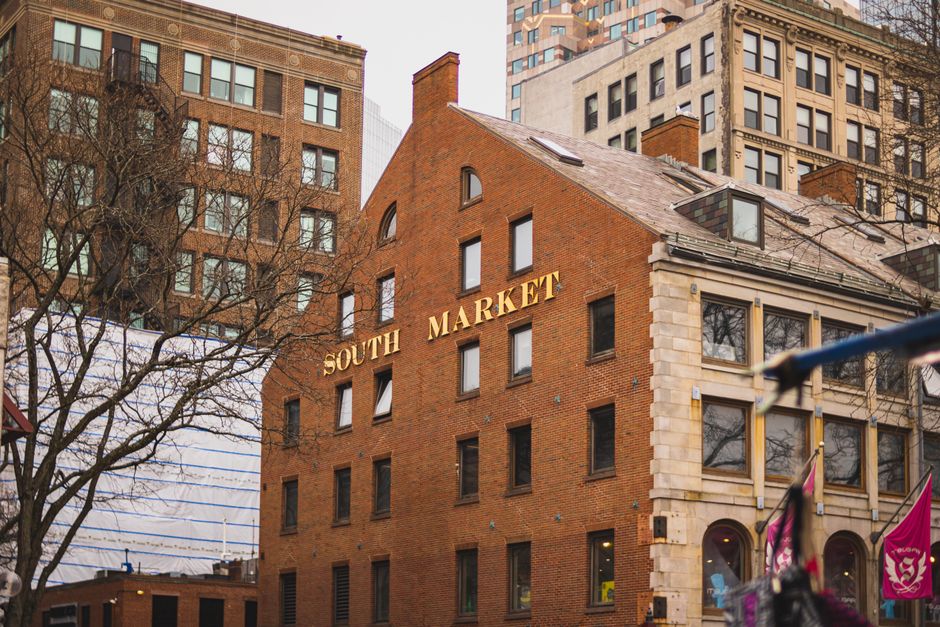
Boston's property market is no longer a simple story of central prestige commanding all the premium. While Beacon Hill and Back Bay remain the city's blue-chip addresses, the real momentum—and the real lessons for buyers—is unfolding in the neighbourhoods beyond.
Somerville and Cambridge are experiencing what market watchers call structural demand growth, not speculation. The drivers are tangible: proximity to MIT and Harvard, the expanding biotech corridor along the Red Line, and younger professionals priced out of downtown choosing 15-minute commutes over city centre postcodes. Recent sales around Davis Square and Union Square reflect median prices climbing steadily, with starter homes now regularly exceeding $650k. But here's what matters: rental yields in these areas remain stronger than Beacon Hill, where owner-occupancy and investment-property scarcity have created a brittle market dependent on appreciation alone.
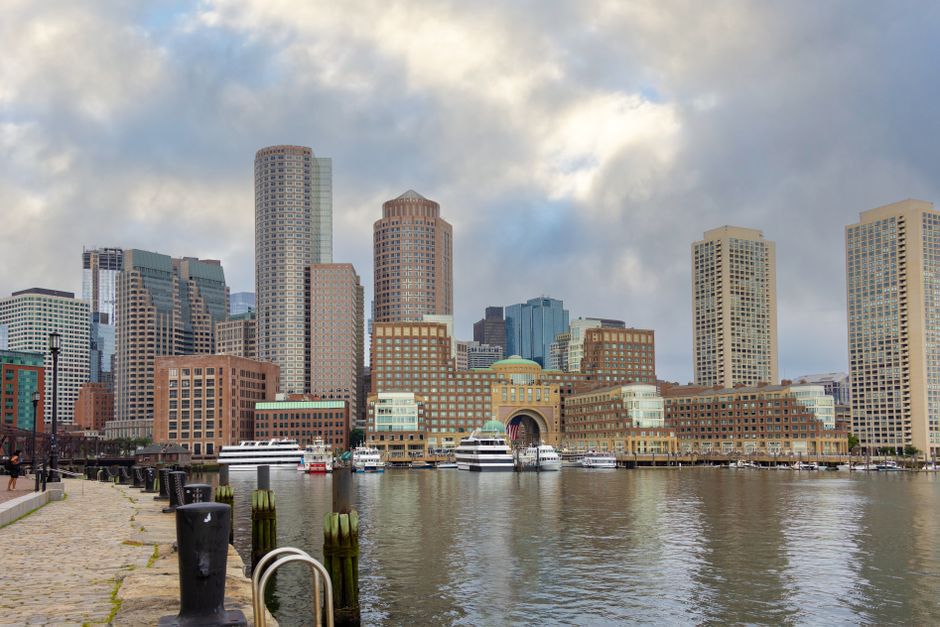
South Boston tells a different story entirely. The neighbourhood's transformation from post-industrial to mixed-use hub has been real—the Harborwalk extension, the reopening of the Boston Tea Party Ships & Museum as a draw, and residential conversions along Seaport Boulevard have genuinely altered the area's character. Yet prices here have grown more aggressively than fundamentals justify. A $1.2m two-bedroom near East Broadway would have been unimaginable five years ago, and many are priced on the assumption that institutional investment in the Seaport will continue indefinitely. That may prove correct, but it's also where buyers should dig deepest into valuation.
The regulation layer matters enormously right now. Cambridge's recent zoning reforms around transit corridors are beginning to unlock development potential—something that could ease the supply pressure that's helped inflate prices. Somerville's planning department remains more cautious, which argues for prices there holding firmer in a downturn. South Boston, meanwhile, is heavily dependent on continued waterfront development approvals, making it more sensitive to municipal and funding changes.
For buyers entering the market now, the median $780k price point sits at an inflection. The premium neighbourhoods are pricing in perfection. The emerging neighbourhoods like Somerville and Cambridge are pricing in growth, but at least that growth is driven by employers, universities, and infrastructure—not just sentiment. South Boston sits in the middle: genuine transformation is real, but some prices are running ahead of it.
The neighbourhood that offers the clearest value isn't the one that's already transformed. It's the one where transformation is still being built.
This article was compiled by AI from the sources linked above and screened before publishing. See our editorial standards.