The rental market across greater Boston is in flux, and the pressure is being felt unevenly. While some landlords are capitalising on historically low vacancy rates, tenants are increasingly caught between rising rents and stagnant wage growth—a tension reshaping which neighbourhoods remain accessible and who can afford to stay.
In Somerville and Cambridge, where university-driven demand has long anchored high rents, landlords are reporting improved collection rates and shorter vacancy windows. A two-bedroom apartment on Highland Avenue in Somerville, which might have languished for 45 days five years ago, now attracts multiple applications within a week. Yet this tightness has created a secondary effect: tenants are accepting longer leases and waiving negotiating power simply to secure housing. Local tenant advocacy groups report a 23% uptick in complaints about aggressive lease terms and reduced flexibility over the past 18 months.
The transformation is most visible in South Boston, where waterfront development and transit improvements have attracted younger professionals willing to pay premium rates. Properties near the Harborwalk and along Congress Street command rents approaching $2,800 for one-bedroom units—a dramatic shift from a decade ago. For landlords with owned properties, this represents significant portfolio appreciation. For long-term renters, particularly those without recent lease renewals, the mismatch between their locked-in rent and market rates has created a two-tier neighbourhood dynamic.
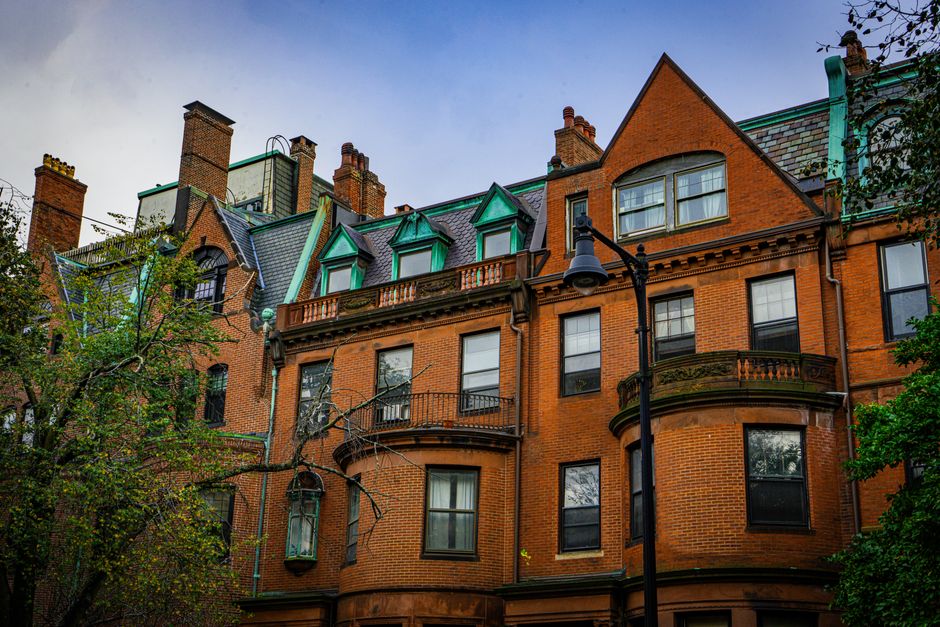
Beacon Hill and Back Bay remain expensive outliers, with median rents hovering above $3,200 monthly for comparable units. But it's the secondary neighbourhoods—Jamaica Plain, Roxbury, and parts of Dorchester—where the rental calculus is shifting most dramatically. Landlords report increased interest from investors seeking higher yields, driving modest rent increases of 6-8% annually. For tenant stability, this represents a precarious threshold.
Local housing authorities acknowledge the paradox: landlords face rising property taxes and maintenance costs, incentivising rent increases; tenants face wage stagnation and limited supply. The median Boston rent now sits substantially above the sustainable threshold of 30% of household income for many working families.
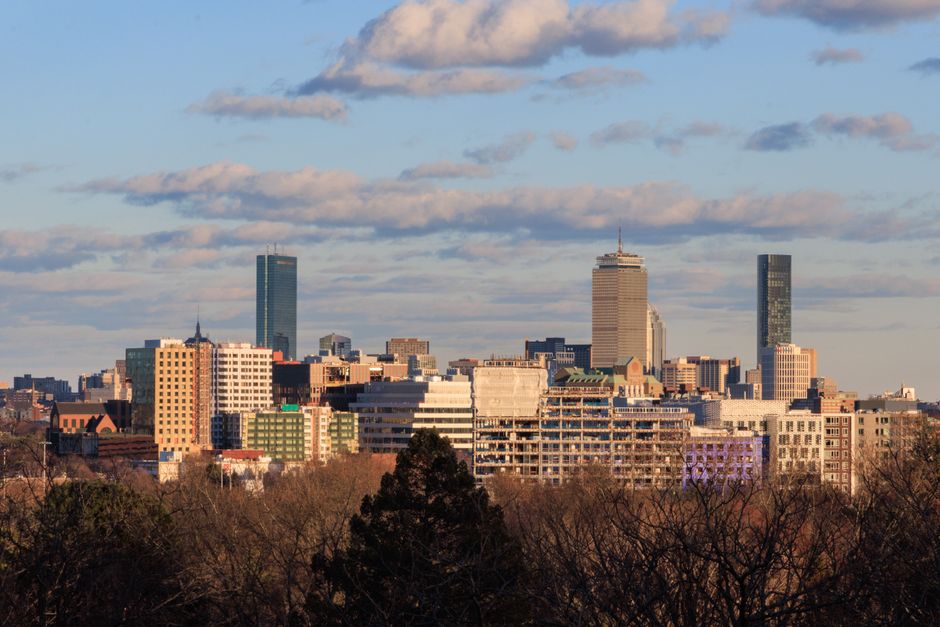
Neither group is uniformly advantaged. Institutional investors betting on neighbourhood appreciation are capturing most gains, while both independent landlords and tenant households navigate compressed margins. As Boston's median property value hovers near $780,000, the rental market increasingly reflects not equilibrium, but strain.
This article was compiled by AI and screened before publishing. See our editorial standards.