Boston's property market has never been more fragmented. While the city median hovers around $780,000, the neighbourhood divergence is stark—and increasingly driven by forces that extend far beyond traditional school ratings and commute times.
Somerville has emerged as the unexpected heavyweight. Once dismissed as Cambridge's overlooked cousin, the area surrounding Union Square has transformed into a magnet for young professionals priced out of Beacon Hill and Back Bay. The arrival of major tech offices, combined with the Green Line extension's completion benefits, has pushed median prices toward $650,000—a 22 percent jump since 2023. Buyers should note: inventory moves in days here, not weeks. First-time investors are competing against institutional buyers, and bidding wars remain standard.
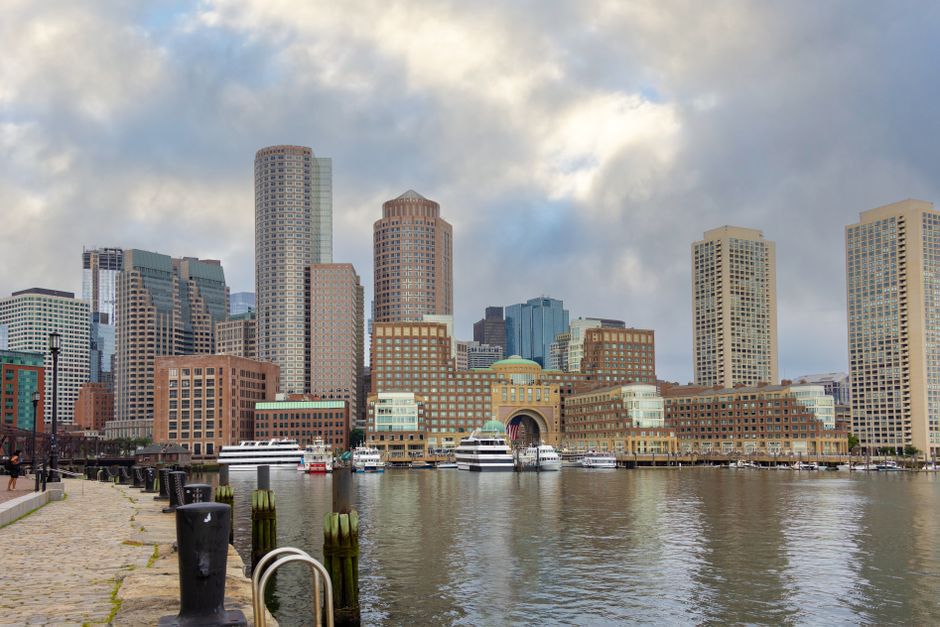
South Boston tells a different story entirely. The neighbourhood's waterfront redevelopment—particularly around the Harborwalk and Boston Tea Party Ships & Museum district—has catalysed a fundamental shift. Waterfront condos that fetched $520,000 two years ago now command $720,000. The appeal is clear: walkability, waterfront access, and proximity to Seaport's cultural amenities. However, buyers must scrutinise building assessments carefully. Older structures undergoing conversion face unexpected remediation costs, and condo fees in renovated properties are climbing faster than market prices themselves.
Cambridge's growth trajectory, while steadier, masks a critical dynamic. University-driven demand from MIT and Harvard continues to fuel prices—particularly in the areas immediately surrounding campus corridors like Massachusetts Avenue and near Harvard Square. But the sustainability of these gains depends on institutional hiring, which has slowed considerably. Investors banking on perpetual tech sector expansion may find themselves overexposed.
What's happening across these neighbourhoods reflects three interconnected pressures: remote work flexibility attracting higher earners from finance and technology; substantial university recruitment efforts drawing graduate students and faculty; and the genuine scarcity of developable land in greater Boston. Transit infrastructure investments—particularly ongoing Green Line improvements—continue to reshape value propositions for commute-dependent buyers.
The critical insight for buyers now: neighbourhood selection has become outcome-determinative. The difference between purchasing in an emerging corridor versus a plateau market could represent hundreds of thousands of dollars over a five-year horizon. Due diligence on local development pipelines, transit timelines, and institutional anchors matters as much as the property itself. The Boston market of 2026 rewards informed neighbourhood analysis over generic purchase timing.
This article was compiled by AI from the sources linked above and screened before publishing. See our editorial standards.