New Development Wave in Boston: Will $3B in Projects Finally Bend the Affordability Curve?
From Assembly Row to the Seaport, ambitious residential pipelines promise relief—but early pricing suggests the market's old patterns may persist.
From Assembly Row to the Seaport, ambitious residential pipelines promise relief—but early pricing suggests the market's old patterns may persist.
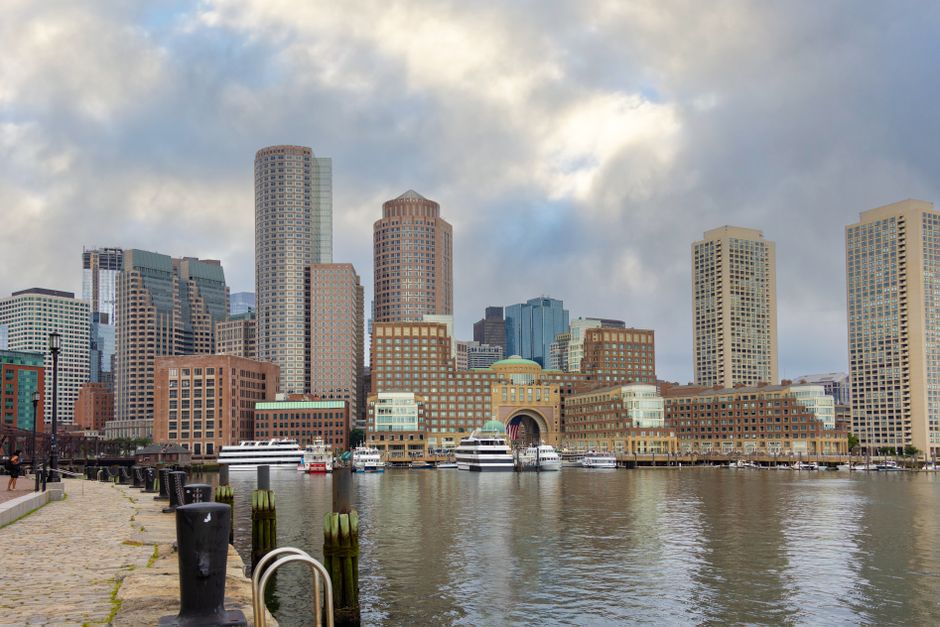
Boston's housing market stands at a peculiar crossroads. With median prices holding firm around $780,000 and no meaningful correction in sight, developers are betting that supply—not price cuts—will ease the city's chronic affordability squeeze. The question is whether they're right.
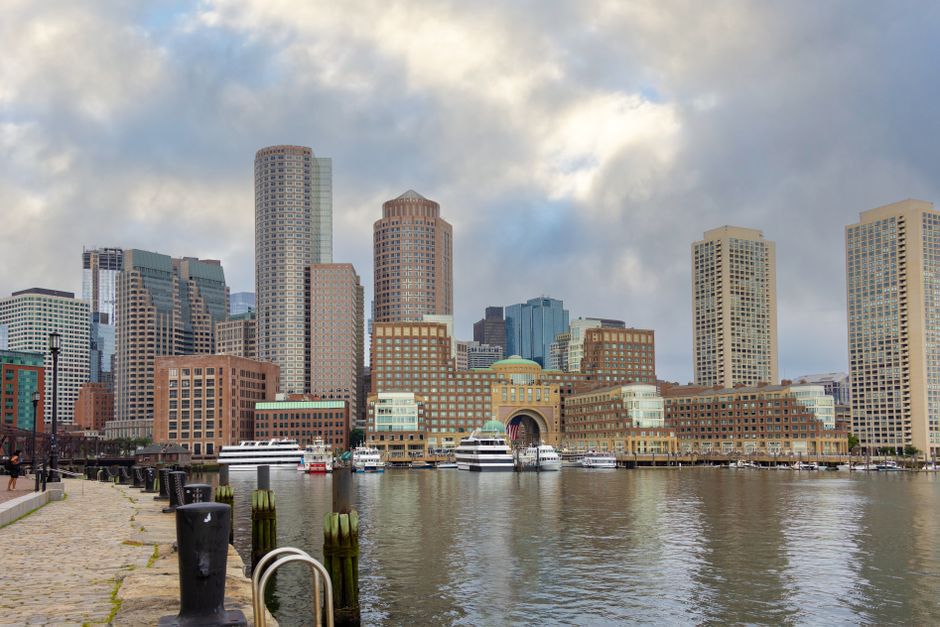
Consider the scale of what's coming. The Seaport, which transformed from industrial waterfront to glass-and-steel skyline in barely a decade, continues its expansion with mixed-income residential towers. Meanwhile, Assembly Row in Somerville has shifted gears, layering 1,500+ new apartments atop its retail backbone. Cambridge's ongoing Kendall Square refresh keeps university-adjacent neighborhoods in flux. These projects collectively represent billions in capital investment and thousands of new units hitting the market by 2027-2028.
Yet early indicators from completed phases offer cautious rather than euphoric signals. New two-bedroom units in the Seaport's latest completions are advertising in the $700,000–$850,000 range—broadly in line with, not meaningfully below, the broader market. Assembly Row's 560-unit phase one saw comparable pricing. Neither has produced the step-change discount that a housing shortage typically demands when supply finally meets demand.
"Developers are building at market rates because construction costs haven't budged," explains one residential market analyst. Hard costs—labor, materials, land acquisition—remain elevated, particularly in transit-rich neighborhoods where developers concentrate projects. That math flows directly to asking prices, regardless of how many units go vertical.
The real opportunity may lie deeper in the pipeline. Mixed-income mandates, inclusionary zoning requirements, and nonprofit partnerships are reshaping projects in neighborhoods like South Boston and parts of Jamaica Plain. A 350-unit residential development slated for the Washington Street corridor in South Boston includes 70 permanently affordable units through Boston's Inclusionary Development Policy. These aren't luxury play—they're workforce housing.
For renters, the calculus differs. New apartment construction has begun softening rents in certain submarkets, particularly in Cambridge and outer Somerville, where 2025 saw modest year-over-year declines. Owners' projects represent relief for middle-income renters faster than they do for would-be homebuyers.
What's clear: developers aren't solving Boston's affordability crisis with market forces alone. They're building what the market will bear. The real pressure—for genuinely affordable housing—will come from policymakers, not from Assembly Row's grand opening.
This article was compiled by AI from the sources linked above and screened before publishing. See our editorial standards.
How does this story make you feel?
Spread the word
About this article
Published by The Daily Boston
Daily brief
Free, in your inbox before 7am. Weekdays.
More in Property