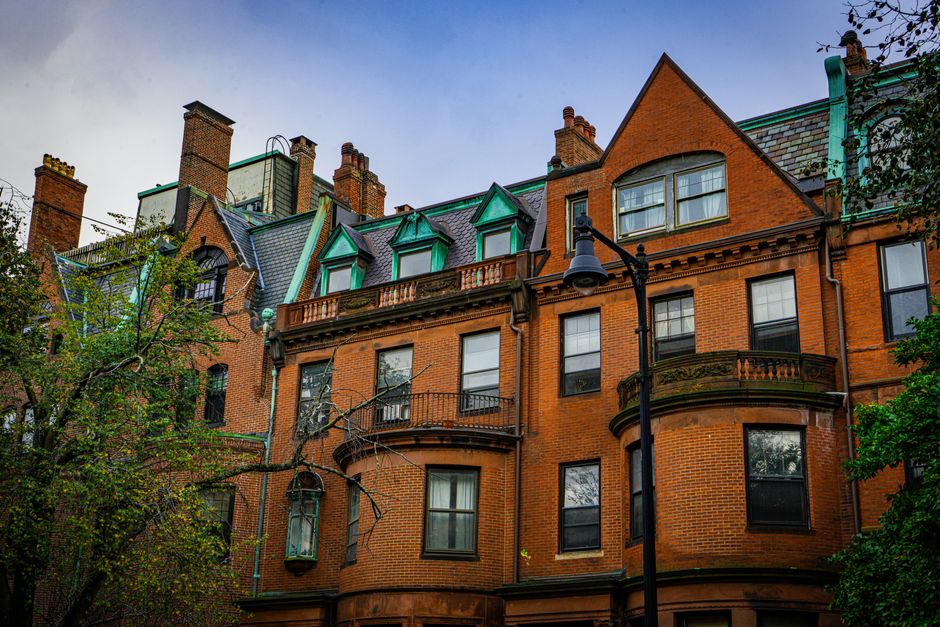
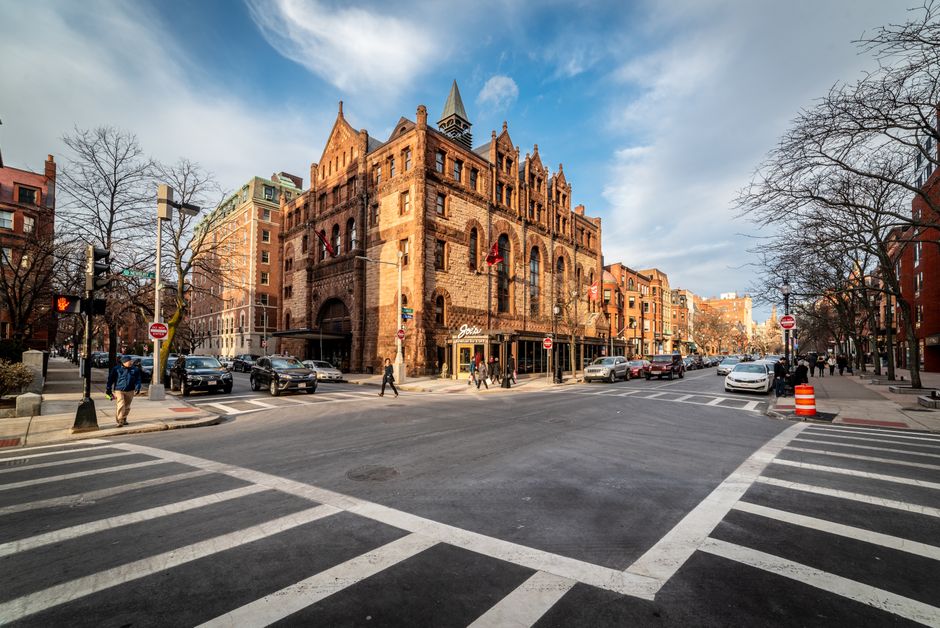
Boston's rental market is undergoing its most significant transformation in a decade, driven by a wave of new residential developments that promise to reshape vacancy patterns across the city. With the median rent hovering near $2,400 for a one-bedroom in premier neighborhoods like Beacon Hill and Back Bay, the influx of new supply—particularly in emerging areas—is creating a rare window of opportunity for tenants willing to look beyond traditional strongholds.
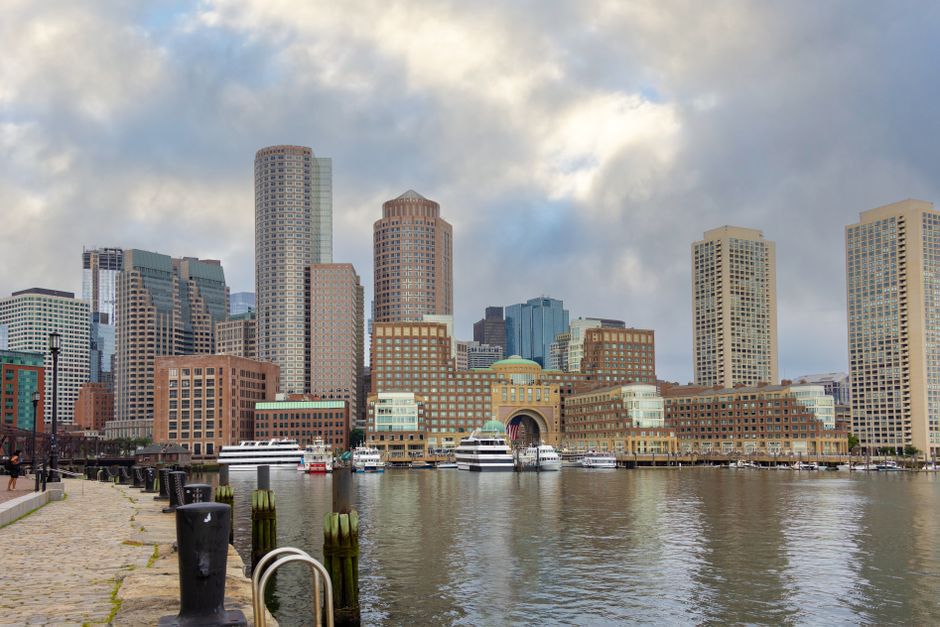
The Seaport District's ongoing expansion remains the most visible catalyst. Developments along Atlantic Avenue and near the Institute of Contemporary Art are introducing hundreds of units annually, pushing vacancy rates in the neighborhood to approximately 4.2 percent—significantly higher than the city-wide average of 2.8 percent. This relative abundance means negotiating power: tenants can realistically expect move-in concessions and flexibility on lease terms that would be unthinkable in Cambridge or Somerville, where university-driven demand keeps vacancy rates consistently below 2 percent.
The Assembly Square mixed-use project in Somerville represents another inflection point. As this former industrial zone transforms into a residential and retail hub, the neighborhood is attracting younger professionals priced out of Boston proper. Rents there currently average $1,950 for a one-bedroom—a meaningful discount—but that gap is narrowing as new buildings phase in. Early movers benefit most; those waiting risk premium pricing as vacancy evaporates.
South Boston's continued gentrification tells a cautionary tale. Five years ago, the neighborhood offered genuine value. Today, with projects along Congress Street nearing completion, median rents have climbed to $2,100, and vacancy sits at just 1.9 percent. The transformation happened faster than many anticipated.
For tenants evaluating where to land, the calculus is becoming clearer: neighborhoods with major developments under construction offer the best combination of availability and negotiating leverage, but windows close quickly. Areas like Dorchester and Roxbury, where new projects are beginning to break ground, may represent the last frontier of relative affordability—though landlords are clearly pricing in future demand.
The Boston Planning & Development Agency's pipeline shows 4,200 residential units currently in active development or planning phases. That's substantial, but spread across a metropolitan area where median rents are rising faster than incomes. Smart renters are watching these projects closely, timing moves strategically rather than reacting to immediate necessity. The rental market is shifting—but the window to benefit from that shift remains frustratingly narrow.
This article was compiled by AI from the sources linked above and screened before publishing. See our editorial standards.