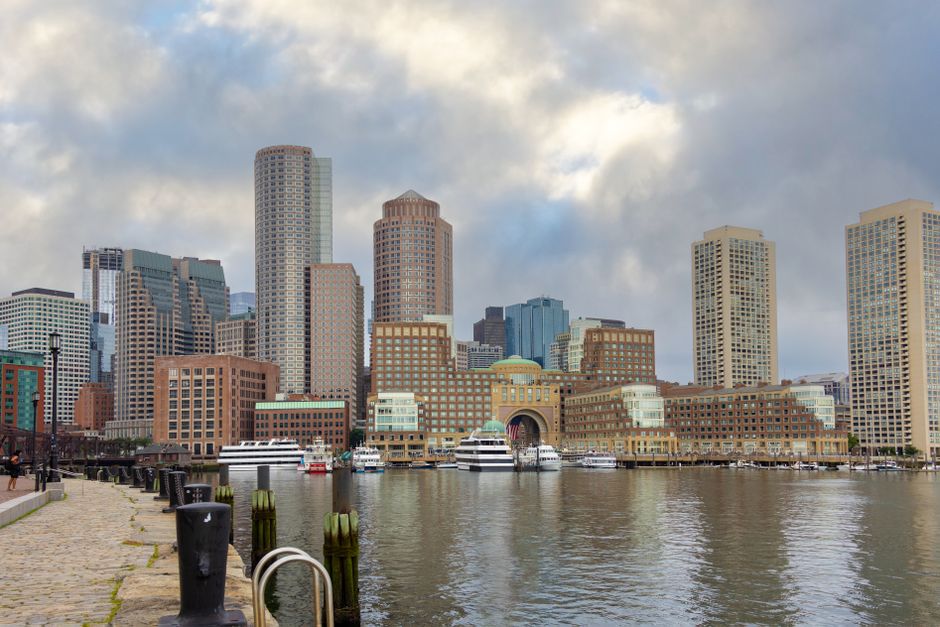
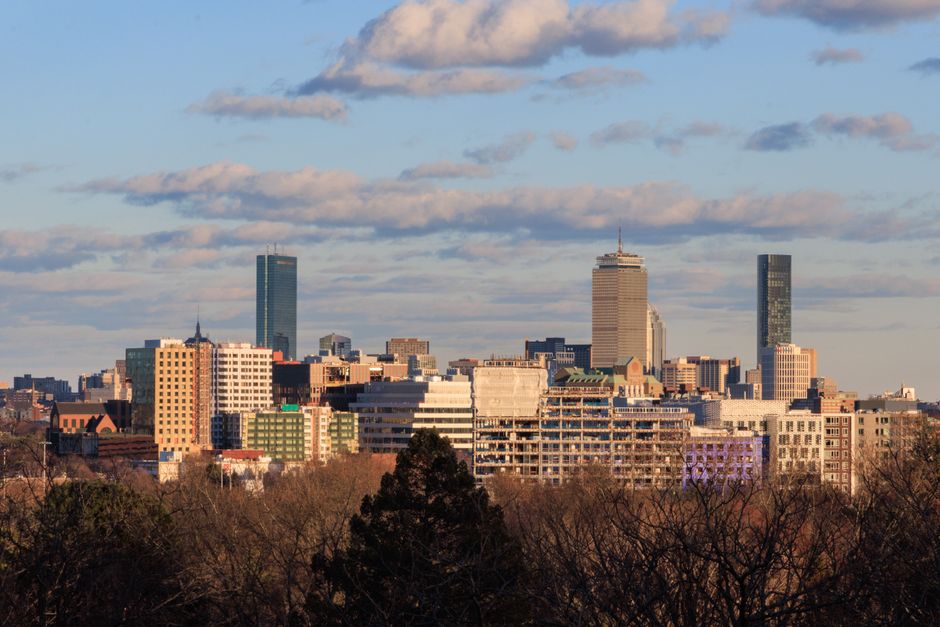
Walk along Main Street in Watertown today and you'll see something that wasn't visible two years ago: cranes. New residential developments are rising alongside heritage mill conversions. The Arsenal Mall precinct hums with activity. And savvy investors are taking notice—median prices have climbed 12% year-on-year to roughly $650,000, still substantially below Boston's $780,000 median and Somerville's $895,000.
The suburb's emergence as an investment hotspot isn't accidental. Three factors are converging to reshape Watertown's investment calculus. First, the Charles River waterfront—long underutilised—is being activated. The Watertown Yards project, anchored by life sciences and mixed-use development around the old industrial corridor, is attracting institutional capital and young professionals seeking walkability without Back Bay price tags. Second, transit connectivity is improving. The Green Line extension conversations that once seemed perpetual are gaining momentum, with preliminary planning underway. Third, and perhaps most compelling, is the influx of university-adjacent demand. MIT and Harvard's continued expansion eastward means Watertown's proximity to Cambridge makes it an increasingly attractive spillover market for researchers, postdocs, and academic staff priced out of their traditional neighbourhoods.
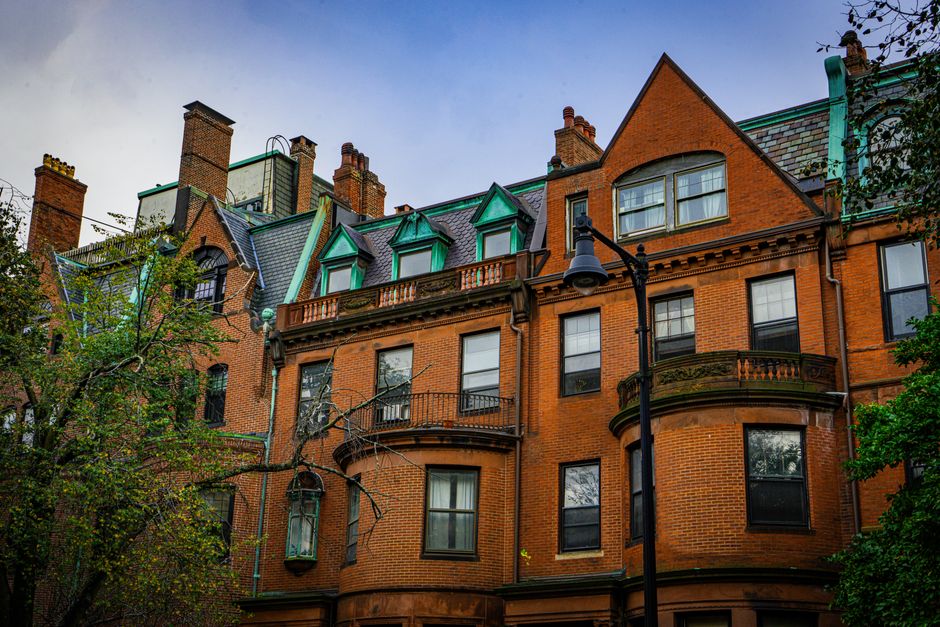
Property types tell the story. Two-bedroom condos in the Arsenal district are moving in the $550,000–$650,000 range, while comparable units in adjacent Cambridge command $750,000. Single-family homes on residential side streets—Orchard, Galen, Church—are capturing investor attention as renovation plays. The neighbourhood's older housing stock appeals to developers with modest rehab ambitions and significant upside.
Local infrastructure improvements are accelerating momentum. The Watertown Free Public Library's recent modernisation, new public realm investments along Main Street, and the proliferation of independent cafes and restaurants signal neighbourhood maturation. Younger demographics are trading Somerville's saturation for Watertown's space and value proposition.
Of course, nothing is guaranteed. Industrial zoning remnants persist. Environmental remediation in some areas remains incomplete. But the trajectory is undeniable. As Cambridge and Somerville markets consolidate and pricing power diminishes, Watertown represents genuine scarcity value—a waterfront suburb with institutional backing, improving transit prospects, and pricing still tethered to fundamentals rather than speculation.
For investors, the window likely won't stay open long. Watertown's transformation is neither secret nor sudden. But at current pricing, it remains one of the few genuinely compelling value plays within Boston's immediate orbit. That won't last.
This article was compiled by AI and screened before publishing. See our editorial standards.