Boston's rental market sends mixed signals—here's what ...
Rising vacancy rates and soft auction clearance numbers suggest breathing room ahead, but location remains everything.
Rising vacancy rates and soft auction clearance numbers suggest breathing room ahead, but location remains everything.
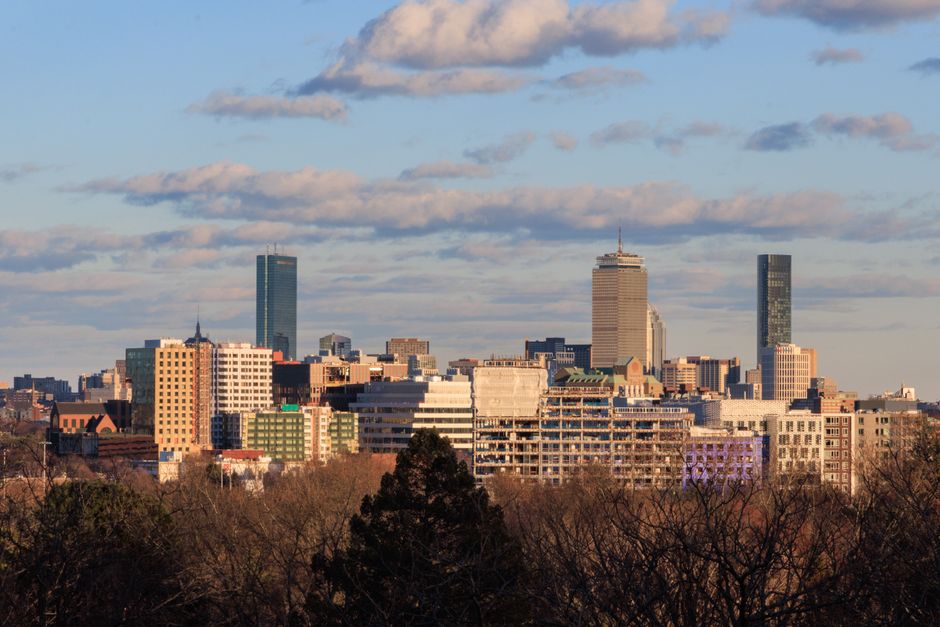
Boston's rental market is flashing a rare green light for tenants. After years of scarcity-driven bidding wars, vacancy rates in the metro area have climbed to levels not seen since 2019, and recent property auction results are whispering what landlords won't say aloud: competition for renters is back.
The shift is subtle but significant. Across Cambridge and Somerville—traditionally the tightest markets thanks to Harvard, MIT, and Tufts demand—available units have ticked upward. In Somerville's Davis Square corridor, median asking rents have plateaued around $2,100 for one-bedrooms, while six months ago landlords were seeing bidding wars for similar stock. Over the Charles in Cambridge's Central Square, new listings are lingering on platforms like Zillow and Apartments.com for 21 days on average, compared to the 4-5 day turnover that defined the market through 2023 and 2024.
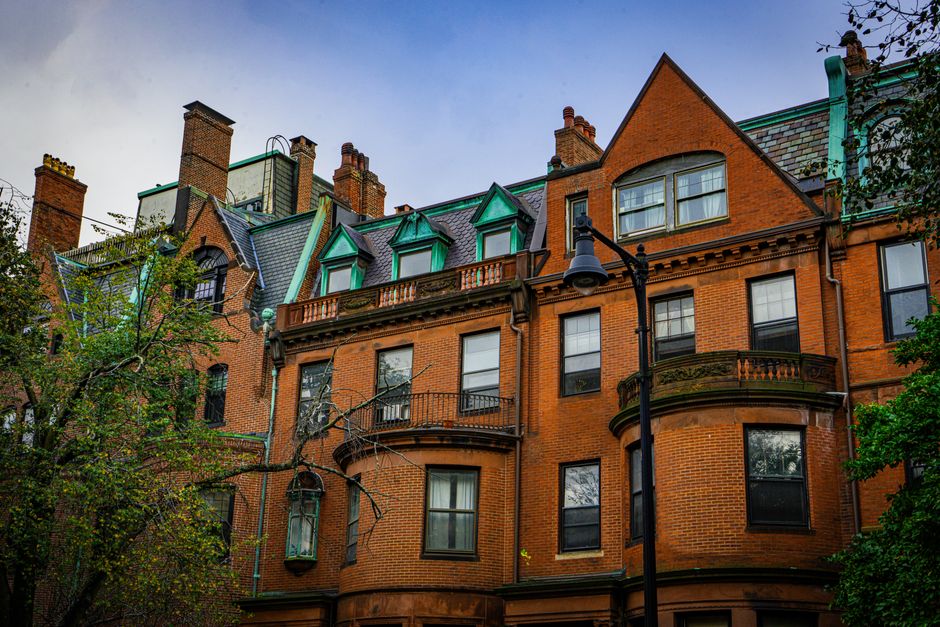
The auction data reinforces this narrative. Recent clearance rates for multi-unit residential properties have dipped below historical norms, suggesting investors are pricing conservatively. A six-unit brownstone near Beacon Hill's Charles Street fetched $4.8 million in May—solid, but not the premium-plus valuations that characterized last year's sales. The message: the days of automatic appreciation are over.
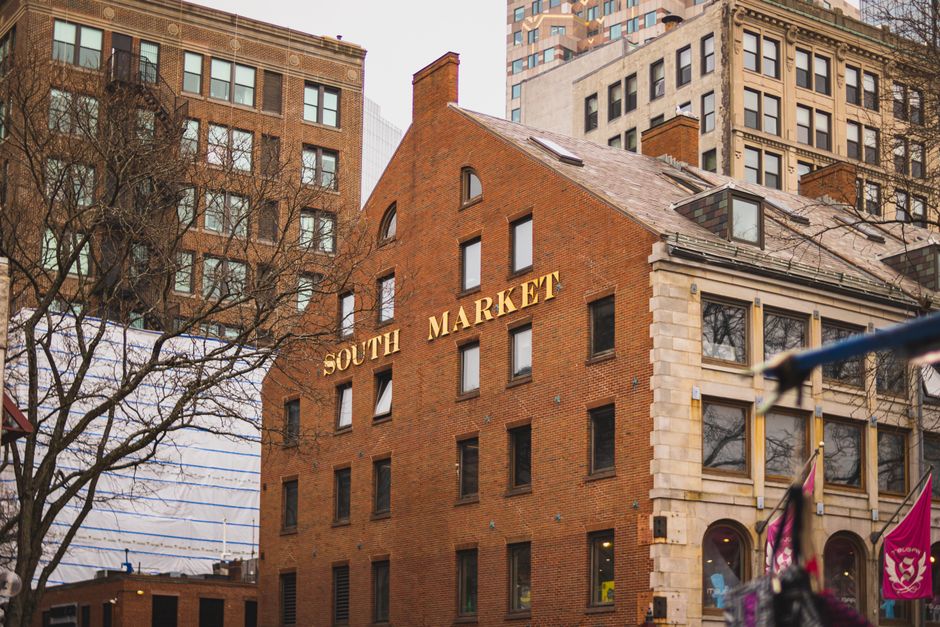
For tenants, especially those entering the market now, this means leverage. Back Bay and Beacon Hill remain sellers' markets; scarcity keeps prices firm in those neighbourhoods. But in South Boston—where young professionals have increasingly settled—landlords are now offering move-in specials and month-free concessions on 12-month leases. A year ago, that was unthinkable.
The wildcard remains university-driven demand. September leasing around BU's Commonwealth Avenue corridor and Northeastern's properties near Ruggles Station remains competitive, though early August move-ins are showing fewer competing offers per listing.
What's driving the shift? Mortgage rates have stabilized, cooling investor appetite for conversion and new construction. Remote work adoption has plateaued, reducing the frantic migration that squeezed inventory from 2021-2023. And Boston's median asking rent—hovering near $2,050 for a one-bedroom—has finally lost its appeal to some younger professionals, who are exploring Worcester and Providence instead.
The data signals a return to normalcy: not a crash, but a rebalancing. Tenants should still move decisively when they find the right apartment, but the panic is gone. For the first time in half a decade, you can actually negotiate.
This article was compiled by AI and screened before publishing. See our editorial standards.
How does this story make you feel?
Spread the word
About this article
Published by The Daily Boston
Daily brief
Free, in your inbox before 7am. Weekdays.
More in Property