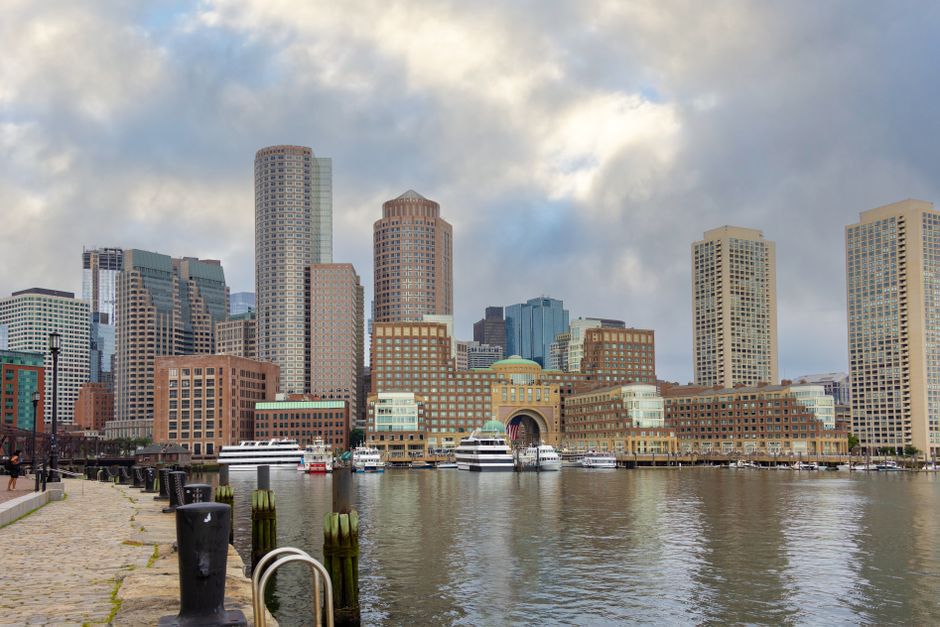
Boston's development map is changing faster than most residents can track. From the ongoing transformation of the Seaport District to ambitious infill projects along the Green Line Extension corridor, nearly $3 billion in approved or under-construction developments promises to reshape the city's housing stock, retail landscape, and neighbourhood character over the next three years.
The scale is significant. The median home price in Boston has climbed to $780,000, pricing out younger professionals and families who once anchored urban neighbourhoods. New supply—particularly mid-market rental and condo projects—could help stabilise rents that have risen 40 per cent in Somerville and Cambridge since 2020.
Consider the Infosys campus expansion in Seaport, anchoring a broader wave of development along the waterfront. Beyond office towers, the project includes 600 residential units, ground-floor retail, and public plaza space. Similar mixed-use strategies are rippling outward: Somerville's Assembly Row continues evolving with residential towers above shops; Cambridge's Fresh Pond area is seeing pre-development environmental reviews for residential conversions.
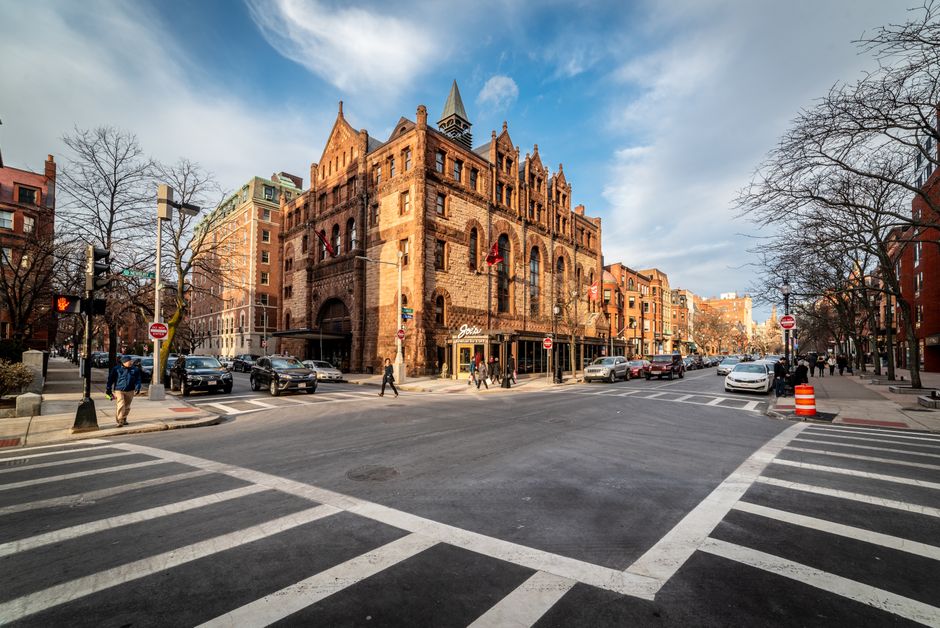
The challenge lies in distribution and affordability. While Back Bay and Beacon Hill maintain strict building controls that keep supply constrained and prices elevated, South Boston's transformation—driven by waterfront access and proximity to the Seaport—risks becoming another high-price enclave. The Dorchester Avenue corridor, once overlooked, is now attracting significant investment. Long-standing residents worry about displacement even as property values climb.
What distinguishes Boston's current cycle from previous booms is the focus on transit-oriented development. Projects clustering around the Green Line Extension stations in Somerville and Union Square reflect lessons learned from the 2010s, when car-dependent sprawl outpaced transit investment. These projects could anchor sustained neighbourhood growth without gridlock.
Planning departments across the metro are feeling the pressure. Cambridge's Planning Board is reviewing 15 major projects simultaneously; Boston's Zoning Board faces a backlog of appeals. Neighbourhood groups, meanwhile, are becoming more sophisticated in negotiations, securing commitments to affordable units, local hiring, and public realm improvements that previous generations of residents didn't secure.
The real story emerging isn't simply about supply or demand—it's about who benefits. Will new housing trickle down to ease pressure on families earning $60,000-$90,000 annually? Or does development simply create another tier of privilege? The next three years will tell whether Boston's building boom addresses the city's fundamental housing crisis or merely rebuilds it at a higher price point.
This article was compiled by AI from the sources linked above and screened before publishing. See our editorial standards.