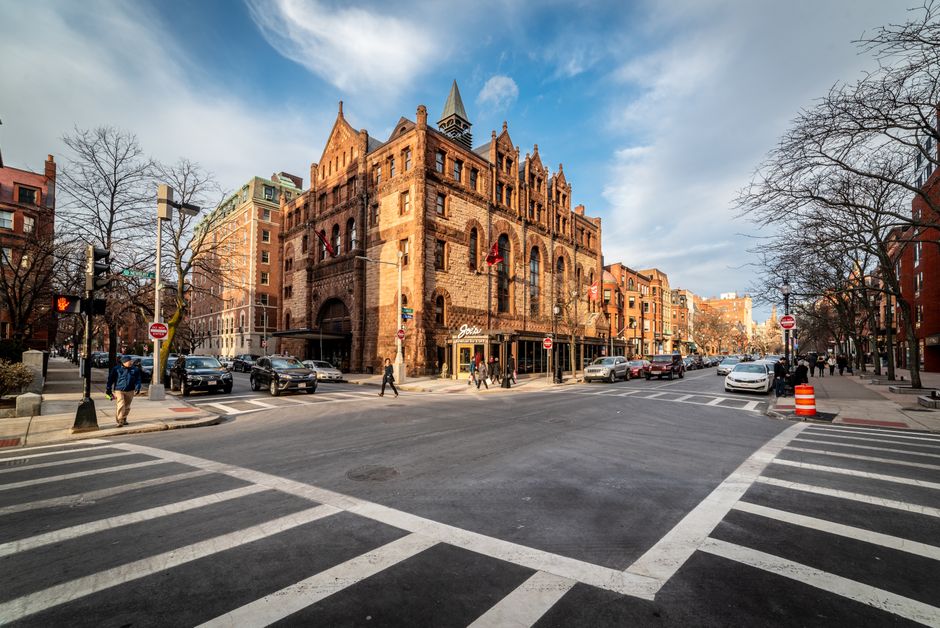
Boston's housing market remains a study in contrasts. While Beacon Hill and Back Bay command premium prices that have climbed beyond $1.2 million for modest townhouses, neighbouring Somerville and Cambridge have emerged as growth engines, attracting young professionals and families seeking relative value—though "relative" is key here, with median prices in those areas now exceeding $650,000.
The primary driver? University expansion and knowledge-sector jobs. MIT's ongoing development projects and Harvard's satellite campuses continue to pull high-earning professionals into the metro area, intensifying demand in Cambridge and Somerville's Davis Square neighbourhood. Meanwhile, South Boston's transformation from industrial waterfront to residential hotspot has created a new tier of desirable real estate, with renovated lofts along Fort Point Channel and near the ICA museum commanding steep premiums that didn't exist five years ago.
But there's a secondary force reshaping the market that buyers often overlook: banking standards have tightened. Lenders are scrutinising debt-to-income ratios more rigorously than in previous years, meaning pre-approval letters carry more weight than ever. Buyers competing for properties on Newbury Street or in Jamaica Plain's emerging dining district need to arrive at viewings with documentation ready—a lesson learned by many who've been outbid by cash-backed offers.
Interest rates, too, remain a wild card. While rates have stabilised, monthly mortgage payments on a $780,000 home in Boston proper still require household incomes above $200,000 to qualify comfortably. This has compressed the middle market, pushing moderate-income buyers toward the periphery or into condo associations where monthly fees add another layer of cost consideration.
The commuter rail expansion—particularly improvements to the Green and Orange lines serving Medford and Malden—is creating a secondary wave of appreciation in outer neighbourhoods that many buyers overlook. Properties within walking distance of stations are appreciating faster than street-bound homes, signalling a shift in how Bostonians value location.
For buyers entering the market now, the advice is straightforward: get your finances in order before house hunting, understand the hidden costs beyond mortgage (property taxes in Boston run roughly 1.2 per cent annually), and be prepared to move quickly on properties that meet your criteria. The market rewards decisiveness and penalises hesitation. Whether you're chasing a Beacon Hill classic, a Somerville starter home, or a South Boston conversion, preparation trumps luck.
This article was compiled by AI and screened before publishing. See our editorial standards.