Boston's Construction Boom Is Reshaping Rental Dynamics—But Not Equally
As new apartments flood Somerville and South Boston, landlords enjoy rising rents while tenants face tightening affordability.
As new apartments flood Somerville and South Boston, landlords enjoy rising rents while tenants face tightening affordability.
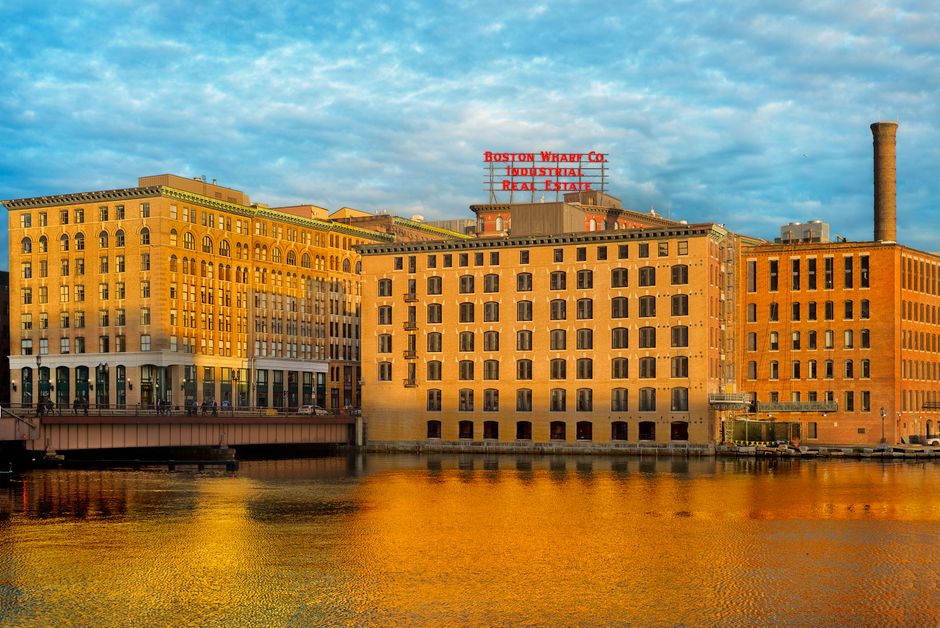
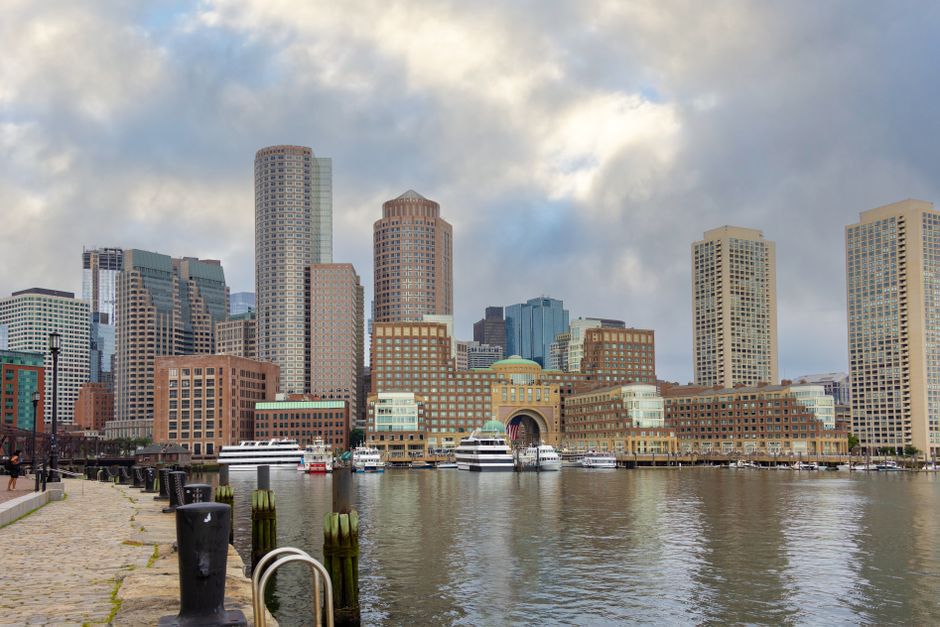
Boston's construction pipeline is busier than it has been in a decade. From the Seaport's glass towers to Somerville's transit-oriented developments near the Green Line, new residential projects are fundamentally altering the rental landscape—but the benefits are distributing unevenly across the city's tenant and landlord populations.
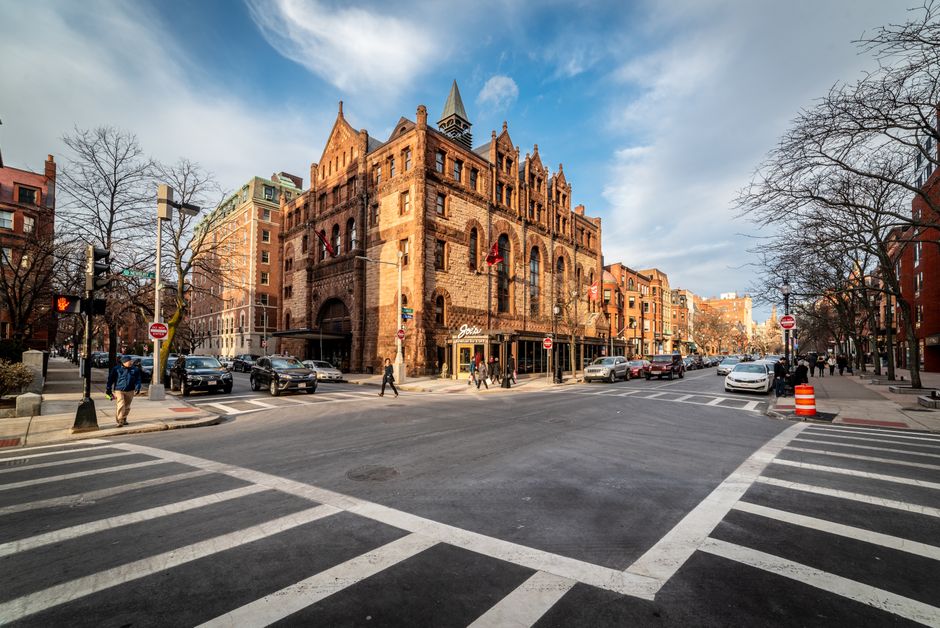
The numbers tell a striking story. Cambridge and Somerville have collectively approved over 8,000 new rental units in the past three years, with major projects sprouting along Broadway in Somerville and near Kendall Square. Meanwhile, South Boston's ongoing transformation has added luxury apartments overlooking the waterfront, while Beacon Hill and Back Bay remain largely built-out, their rental stock frozen by historic preservation rules and scarcity.
For landlords, this construction wave is proving lucrative. New buildings in Somerville are commanding rents between $2,200 and $2,800 for one-bedroom units—undercuts to the city median of $2,400, yet still representing substantial returns compared to older stock. Landlords of pre-war buildings in established neighborhoods are raising rents aggressively, capitalizing on the perception that newer supply equals premium pricing across the board. Even modest two-family homes in Jamaica Plain and Roxbury—traditionally more affordable—are seeing 8-12 percent annual increases as investors anticipate gentrification.
For tenants, the paradox is painful. While new construction theoretically should ease pressure, it's largely targeting higher-income renters. Studios and one-bedrooms in new South Boston developments start at $2,500; comparable units in existing stock run $1,800-$2,100. The new supply absorbs affluent renters, leaving older buildings' landlords with a competitive advantage and incentive to push out long-term, rent-controlled tenants.
Community advocates argue the city hasn't built enough genuinely affordable units to offset these dynamics. Of the 8,000 units approved in Cambridge and Somerville, fewer than 15 percent carry permanent affordability restrictions. Boston's Inclusionary Development Policy requires 13-17 percent affordable units in new projects—helpful but insufficient when median rents approach $2,400 and household incomes for affordability hover around $48,000.
The result is a bifurcated market: landlords celebrating strong returns, particularly those with older properties they can renovate and re-let, while renters—especially those earning $50,000-$75,000 annually—face relentless pressure. The construction boom may eventually moderate rents, but observers warn it could take several more years and tens of thousands of additional units before typical renters see meaningful relief.
This article was compiled by AI from the sources linked above and screened before publishing. See our editorial standards.
How does this story make you feel?
Spread the word
About this article
Published by The Daily Boston
Daily brief
Free, in your inbox before 7am. Weekdays.
More in Property