New Affordable Housing Push Along the Greenway Could Reshape Downtown Boston's Economic Geography
Three major mixed-income developments breaking ground this year signal a shift in how the city is tackling its median price of $780,000.
Three major mixed-income developments breaking ground this year signal a shift in how the city is tackling its median price of $780,000.
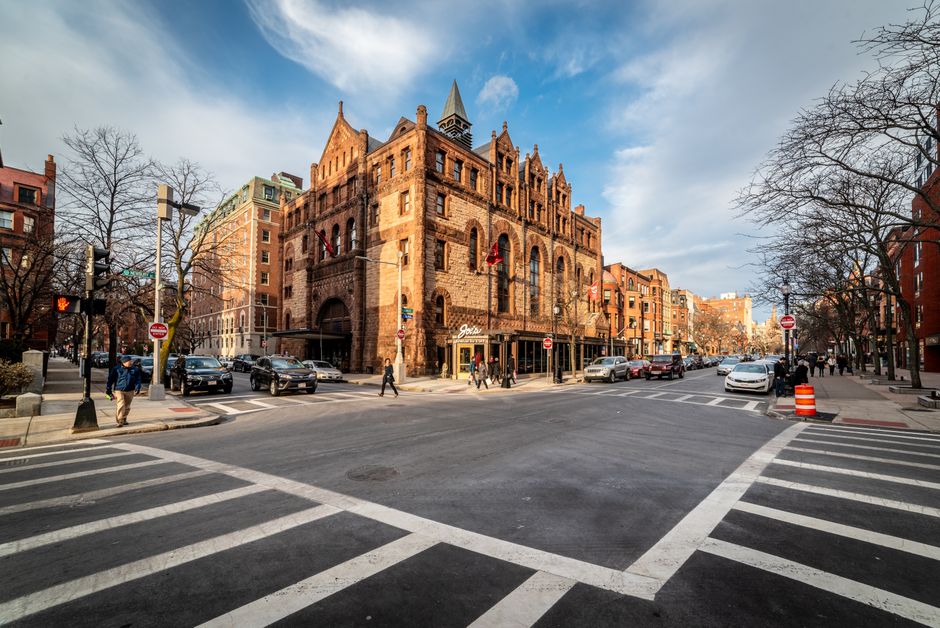
Boston's affordable housing crisis has long felt like a problem for tomorrow. But with three substantial mixed-income projects now under construction—including a 156-unit complex near the Rose Kennedy Greenway and a 240-unit redevelopment in Fort Point—the city is finally testing whether intentional density can democratise neighbourhoods that have historically locked out working families.
The Greenway project, anchored near the Christopher Columbus Park entrance, will reserve 35 per cent of units for households earning between 60 and 100 per cent of area median income. At Boston's current $780,000 median, that translates to rentals targeting earners making roughly $45,000 to $75,000 annually. It's a modest correction in a city where Beacon Hill apartments regularly exceed $2.2 million and even Somerville's once-affordable corners now command premium rents.
What makes these developments significant isn't just unit count—it's location strategy. Rather than concentrating affordable housing in outer neighbourhoods like Mattapan or Hyde Park, developers are now eyeing proximity to transit, jobs, and cultural institutions. The Fort Point project sits blocks from the Rose Kennedy Greenway's emerging restaurant scene and the ICA. This proximity matters. Research from urban economists shows that mixed-income housing near employment hubs reduces commute times by up to 40 per cent and stabilises neighbourhood demographics across income brackets.
The Cambridge-Somerville corridor, already transformed by university-driven demand, is seeing parallel momentum. A 180-unit project breaking ground on Massachusetts Avenue aims to preserve 42 units at deeply affordable rates—targeting households earning under 50 per cent of area median income. These aren't showpiece developments; they're deliberate interventions in markets where $1.1 million is now the price floor.
City planners acknowledge the scale remains insufficient. Boston needs roughly 15,000 additional affordable units to meet 2030 targets. Yet these projects represent ideological shift. Five years ago, mixed-income development was treated as philanthropic gesture. Today, it's an anticipated component of zoning approval.
The real test arrives in three to five years, when these projects stabilise and data reveals whether integrated, transit-proximate housing prevents the displacement patterns that have gutted neighbourhoods from Jamaica Plain to South Boston. If they succeed, expect the model to accelerate. If not, Boston risks doubling down on peripheral housing that leaves working families facing 90-minute commutes.
For now, the Greenway's construction cranes represent something rare in Boston's property market: architectural evidence that affordability and density can coexist in high-demand areas.
This article was compiled by AI from the sources linked above and screened before publishing. See our editorial standards.
How does this story make you feel?
Spread the word
About this article
Published by The Daily Boston
Daily brief
Free, in your inbox before 7am. Weekdays.
More in Property