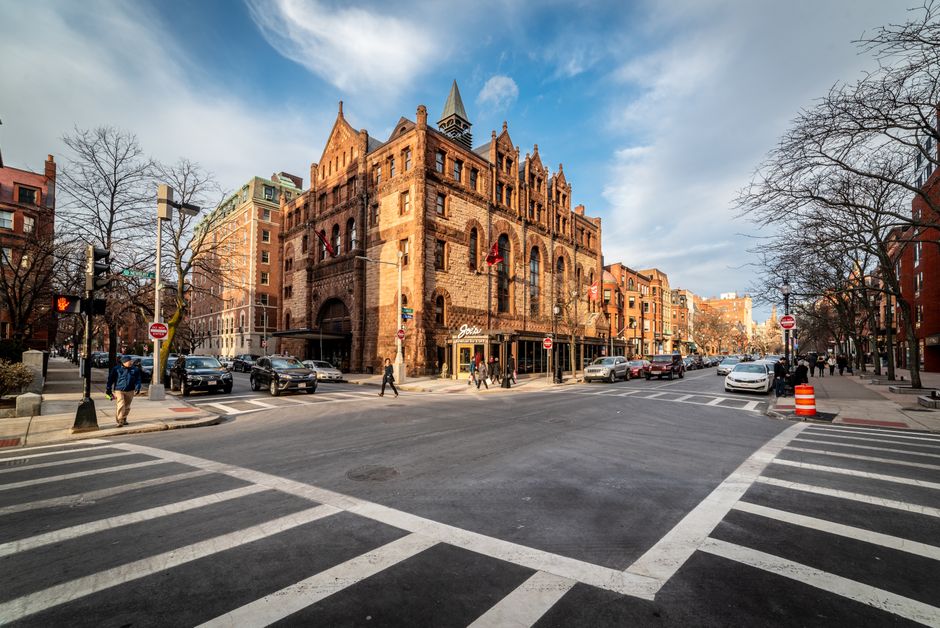
Boston's luxury property market is experiencing a seismic shift that extends far beyond simple supply-and-demand economics. With the city's median home price hovering around USD 780,000, prestige addresses in Beacon Hill and Back Bay now command premiums of 40-60 percent above city averages, yet the drivers behind these astronomical valuations have fundamentally changed in 2026.
The primary force reshaping elite Boston real estate is institutional capital. Investment firms—from REITs to private equity groups—are acquiring trophy properties along Charles Street and Mount Vernon Street with unprecedented aggression. Unlike traditional buyer psychology, these institutional players prioritize long-term asset appreciation and rental yield stability over emotional connection to neighbourhood heritage. This has created a two-tier market: authentic owner-occupancy demand versus calculated portfolio positioning.
Simultaneously, Boston's university corridor—stretching from Harvard and MIT territory through Cambridge and into Somerville—continues attracting international capital seeking education-proximate investments. These buyers view properties within walking distance of academic institutions as defensive assets, immune to typical market volatility. A restored brownstone on Louisburg Square now trades on entirely different metrics than similar properties one mile away in less-prestigious postcodes.
The South Boston transformation, once dismissed as speculative, has become institutional doctrine. Waterfront developments and adaptive reuse projects along Fort Point Channel now attract the same calibre of global investors previously focused exclusively on Beacon Hill. This geographic diversification is crucial for buyers to understand: premium pricing is expanding beyond traditional sanctuaries, creating both opportunity and risk.
Current market reality demands buyer sophistication. Property taxes—among Massachusetts's highest—significantly impact true ownership costs at luxury price points. High-net-worth purchasers must now commission forensic financial analysis alongside traditional due diligence. Additionally, the prevalence of institutional ownership means negotiation power has shifted. Cash offers and waived inspections, once negotiating tactics, are now baseline expectations in competitive segments.
Timing considerations have become critical. Interest rate stability appears entrenched, but refinancing advantages that previously accrued to premium properties are eroding. Buyers at the USD 2+ million threshold should expect acquisition timelines compressed to 14-21 days, versus historically leisurely Boston transactions.
For serious purchasers, the message is clear: prestige properties in established neighbourhoods like Beacon Hill offer perceived safety but limited upside. Emerging premium zones—particularly Somerville's Assembly Row corridor and Cambridge's evolving Harvard Square vicinity—offer better long-term positioning. However, institutional competition means those windows close quickly. Professional acquisition strategy, not emotional attachment to postcodes, now separates successful luxury buyers from the disappointed.
This article was compiled by AI from the sources linked above and screened before publishing. See our editorial standards.