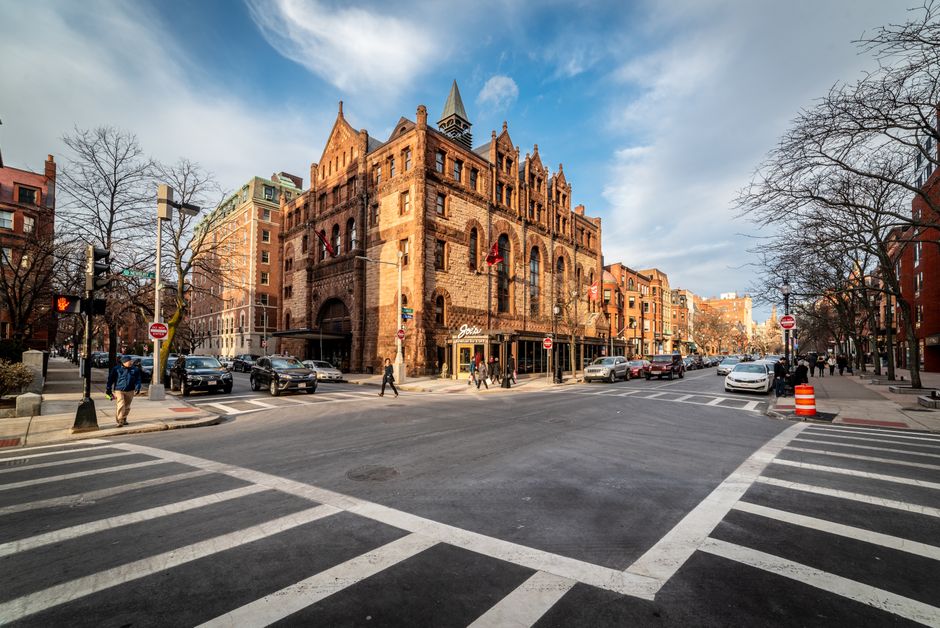
Boston's Rental Squeeze: How Market Tightness Is Reshaping Both Landlord Profits and Tenant Stability
As yields compress across the city, property owners face harder choices while renters contend with sticky rates and dwindling options.
As yields compress across the city, property owners face harder choices while renters contend with sticky rates and dwindling options.
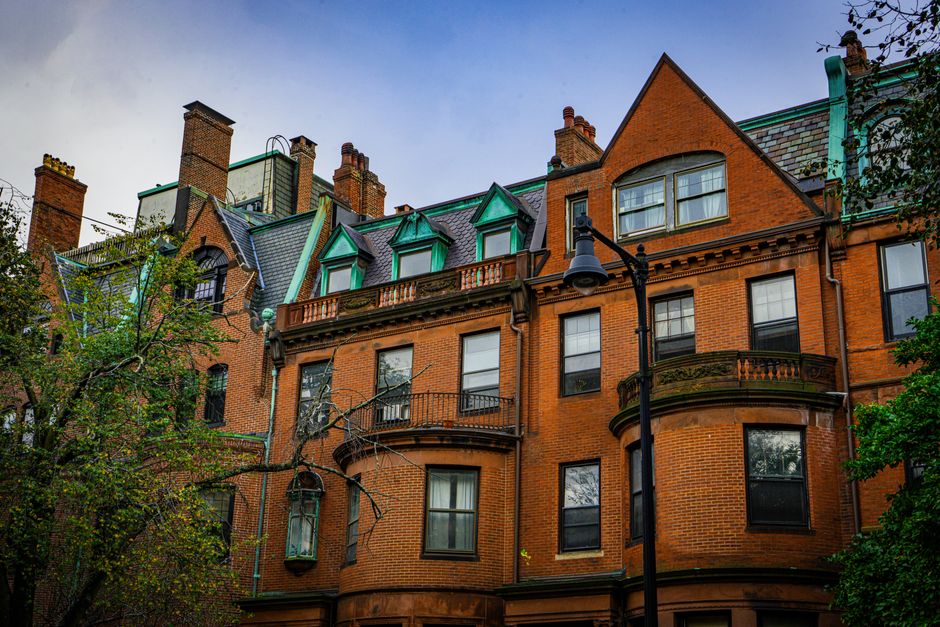
Boston's rental market has reached an inflection point. With the median home price hovering around $780,000 and rental yields tightening across neighbourhoods from Beacon Hill to South Boston, both landlords and tenants are navigating an increasingly complex landscape that defies simple narratives.
For landlords, the mathematics have shifted. A two-bedroom on Charles Street in Beacon Hill might generate $3,200 monthly rent against a $1.8 million purchase price—a gross yield of just 2.1 percent before expenses, insurance, and vacancy periods. Compare that to investment-grade bond returns, and the calculus becomes precarious. Yet demand remains stubbornly high, driven partly by university clusters anchoring Cambridge and Somerville, where graduate students and early-career professionals compete fiercely for housing.
The tension ripples outward. In rapidly transforming South Boston, where new construction has lifted median rents past $2,400 for comparable units, landlords face a choice: renovate aggressively to capture market rates or maintain older stock at lower, steadier yields. This bifurcation is reshaping neighborhoods. Long-term tenants find themselves priced out; landlords struggle to justify capital improvements with compressed returns.
Tenant stability has become collateral damage. The Boston Tenant Coalition and similar advocacy groups report increasing displacement pressure, particularly among renters in older, non-rent-controlled buildings across the city. When yields compress, owners often shift strategies—converting to short-term rentals, requiring larger deposits, or tightening tenant screening—all tactics that reduce access for vulnerable households.
Yet the market isn't uniformly bleak. Somerville and parts of Cambridge still offer landlords more attractive yields—typically 3.5 to 4.2 percent—because purchase prices have risen less steeply than rents. These areas continue attracting small-scale investors seeking steadier cash flow over capital appreciation, though competition is intensifying as institutional investors eye the same opportunities.
The regulatory environment compounds the squeeze. Massachusetts' proposed rental policies—though debated—have already prompted some landlords to defer maintenance or exit the market entirely, reducing supply and pushing rents higher for those remaining. It's a vicious cycle that penalizes both newcomers and existing residents.
What's clear is that Boston's rental market is no longer a simple arbitrage play. Landlords chasing yields must now consider regulatory risk, tenant retention costs, and vacancy trends. Tenants, meanwhile, face a market where supply constraints have eroded their bargaining power. Until new construction meaningfully increases housing stock or yields stabilize, expect this tension to persist.
This article was compiled by AI from the sources linked above and screened before publishing. See our editorial standards.
How does this story make you feel?
Spread the word
About this article
Published by The Daily Boston
Daily brief
Free, in your inbox before 7am. Weekdays.
More in Property