Roxbury's Renaissance: How a Historic Neighbourhood Became Boston's Hottest Investment Play
Driven by transit links, cultural momentum and institutional investment, Roxbury is reshaping its property market faster than any Boston suburb in a decade.
Driven by transit links, cultural momentum and institutional investment, Roxbury is reshaping its property market faster than any Boston suburb in a decade.
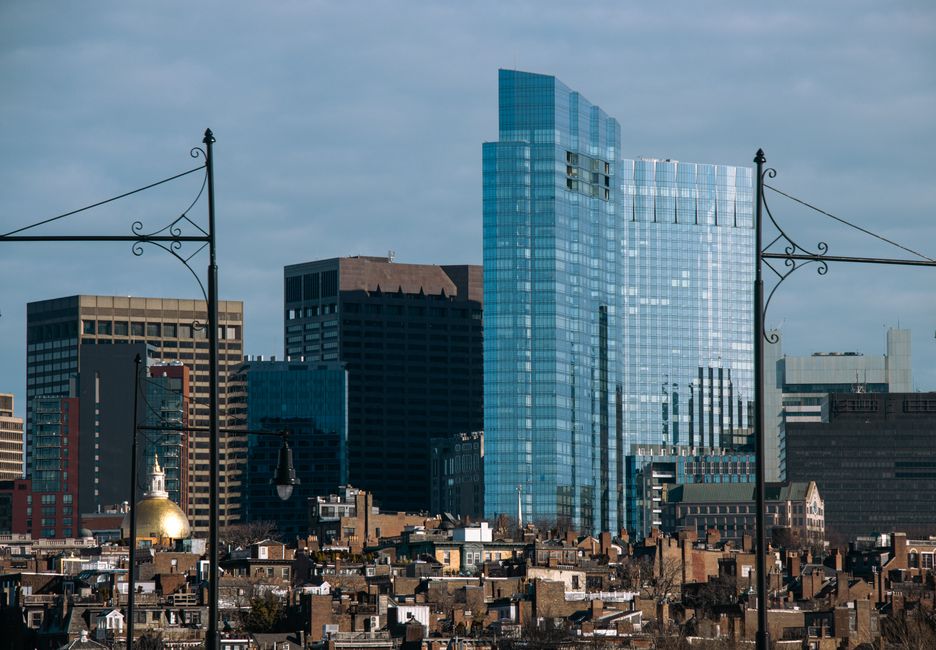
For years, Roxbury lived in the shadow of its wealthier neighbours. But something has shifted. The neighbourhood that once anchored Boston's cultural identity is now attracting serious capital, with median property values climbing 18 per cent over two years and developers quietly assembling sites along the Orange Line corridor.
The numbers tell the story. While the city's median sits around $780,000, Roxbury properties are trading at a significant discount—yet that gap is narrowing. A modest two-bedroom on Humboldt Avenue that sold for $385,000 in 2022 would command closer to $455,000 today. Compare that to Beacon Hill's stratospheric premiums, and you understand why sophisticated investors are repositioning.
The catalyst? Transit accessibility combined with institutional anchor. The Orange Line stations at Stony Brook and Ruggles have transformed from overlooked stops into genuine neighbourhood assets. Northeastern University's expanding footprint eastward, coupled with the Berklee College of Music's cultural pull, means steady demand for housing. The nearby Longwood Medical Area employment hub adds another layer of job-proximity appeal that commuters—and investors—increasingly value.
Cultural venues matter too. The Strand Theatre's revitalisation, alongside galleries clustering around Washington Street, signal neighbourhood vitality that extends beyond property values. This isn't speculative demand; it's rooted in genuine neighbourhood transformation.
Real estate professionals point to specific corridors gaining traction. Properties near Dudley Square, once considered risky, now attract flippers and long-term landlords alike. Mixed-use development along Tremont Street—where old commercial spaces are converting to residential—mirrors patterns we've seen power Somerville and Cambridge's earlier booms.
But Roxbury remains fundamentally different from those already-premium markets. While Cambridge median prices hover near $900,000 and Somerville approaches $750,000, Roxbury's entry point remains attractive. For investors seeking capital appreciation with manageable entry costs, the neighbourhood offers what overheated markets no longer do: genuine upside potential without lottery-ticket pricing.
The risk, naturally, exists. Neighbourhood investment trends reverse. Displacement pressures are real and concerning. But for property investors monitoring Boston's next chapter, Roxbury's moment appears genuine—built on transit, anchored by institutions, and powered by a community that's been here all along, waiting for the market to finally notice.
This article was compiled by AI from the sources linked above and screened before publishing. See our editorial standards.
How does this story make you feel?
Spread the word
About this article
Published by The Daily Boston
Daily brief
Free, in your inbox before 7am. Weekdays.
More in Property