Boston Rental Market 2024: Vacancy Rates Hit 20-Year Low
Boston's vacancy rates drop to 2.8% as zoning reforms accelerate mixed-use development. Here's how new policies are reshaping where renters can find apartments.
Boston's vacancy rates drop to 2.8% as zoning reforms accelerate mixed-use development. Here's how new policies are reshaping where renters can find apartments.
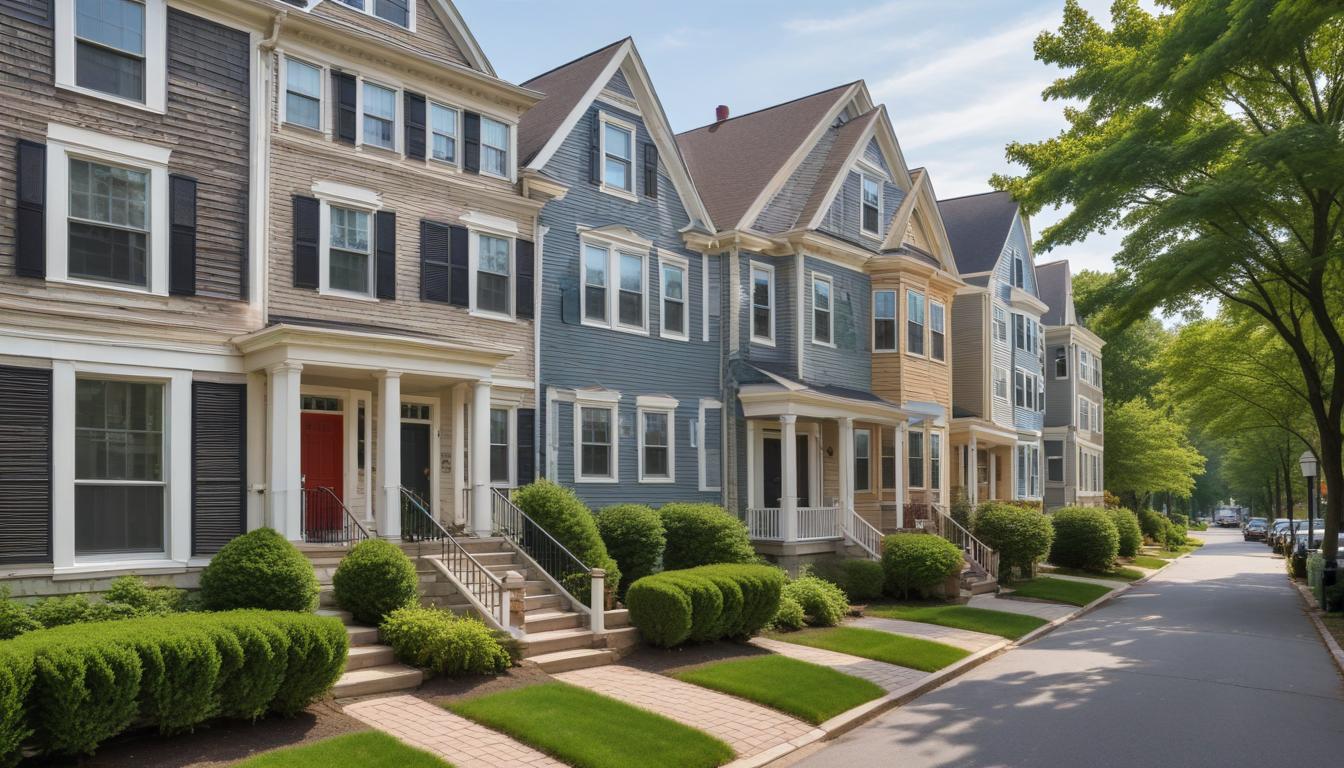
Boston's rental market is entering uncharted territory. Vacancy rates have collapsed to 2.8%—among the lowest recorded in two decades—as zoning reform initiatives reshape supply across the city's most sought-after neighbourhoods. For tenants hunting apartments, the consequence is clear: competition has never been fiercer, and policy decisions made in City Hall are directly determining who gets housed and where.
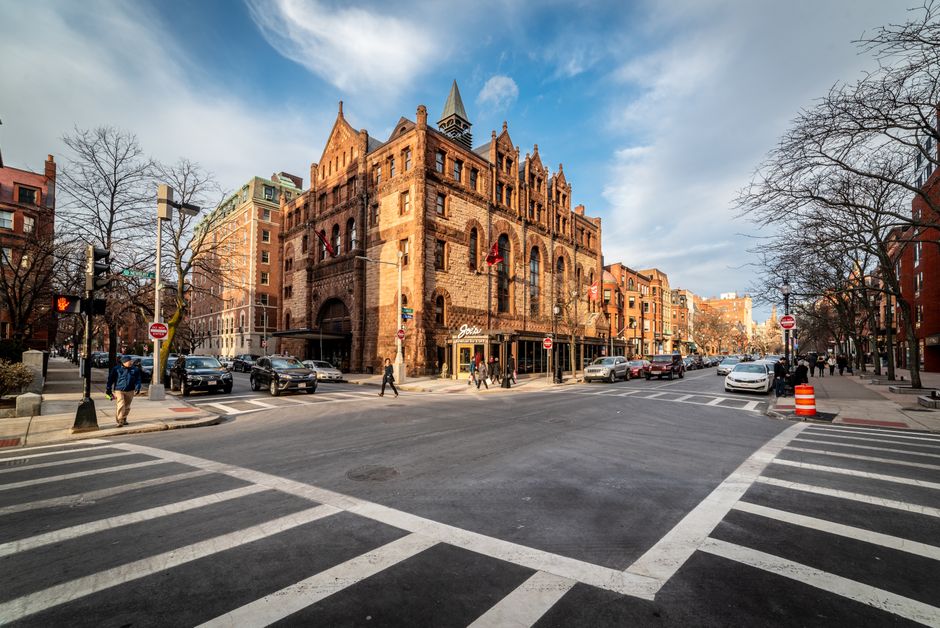
The primary culprit is a planning pivot that accelerated in 2024. The city's push to allow mixed-use and higher-density residential development has inadvertently reduced short-term rental stock. As property owners convert older buildings into condominiums or office-retail hybrids—responding to tax incentives and zoning allowances—traditional rental apartments vanish. Beacon Hill and Back Bay, already commanding median rents near $2,400 for a one-bedroom, have seen landlords exit the rental market entirely, converting units to purchase-only properties.
Somerville and Cambridge, historically more affordable alternatives, now face their own squeeze. New policies favouring transit-oriented development around the Green Line extension have triggered speculation and rapid rent growth. A studio that rented for $1,500 two years ago now commands $1,850—a 23% increase in just 24 months. Renters who delayed their search hoping for stability have been priced out entirely.
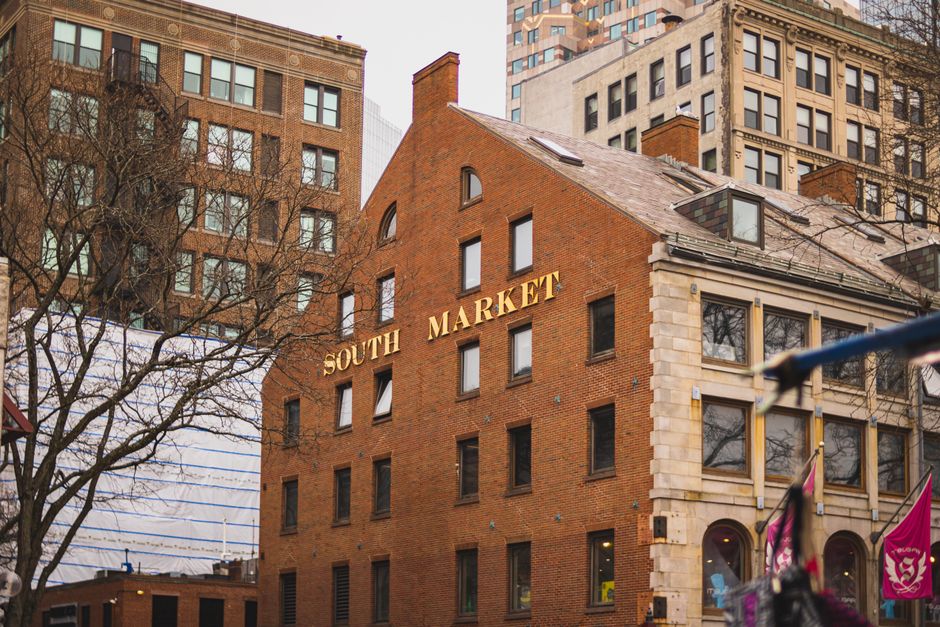
The South Boston transformation tells another story. Waterfront zoning changes designed to encourage residential growth have instead attracted luxury developers, who argue—reasonably—that stricter building codes and environmental compliance make affordable units economically unviable. The result: stunning new buildings with rents starting at $2,200, while working families are pushed further into Dorchester and Roxbury.
City Council has recognised the problem. Proposed amendments to inclusionary zoning policies—requiring 13% affordable units in new developments—aim to rebalance the equation. Yet implementation is slow, and the damage is immediate. First-time renters report bidding wars, landlords requesting three months' deposits, and applications rejected for minor credit issues that once were negotiable.
For tenants navigating this landscape, the old advice no longer applies. Experts recommend acting within 48 hours of listing publication, securing references before apartment hunting begins, and understanding neighbourhood zoning maps—because where policy allows density, supply follows, and rents reflect it. Those without flexibility face grim choices: accept longer commutes from Watertown or Malden, or accept rents consuming 45% or more of income.
As Boston's planning department implements further reforms intended to ease housing pressure, renters shouldn't expect relief soon. Policy changes take years to filter into supply. Until then, the vacancy crisis remains a tenant's crisis.
This article was compiled by AI from the sources linked above and screened before publishing. See our editorial standards.
How does this story make you feel?
Spread the word
About this article
Published by The Daily Boston
Daily brief
Free, in your inbox before 7am. Weekdays.
More in Property