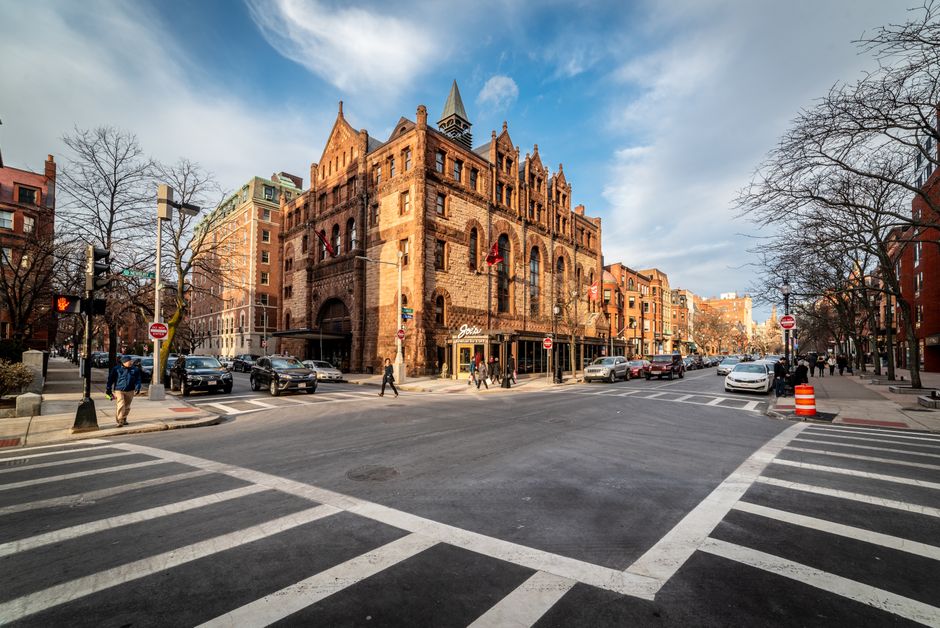
The Boston real estate market has become notoriously competitive for first-time buyers, but understanding available grants, loan programs, and neighborhood dynamics can make the difference between a closed deal and a missed opportunity.
Massachusetts offers several pathways for first-time purchasers. The MassHousing program provides mortgages with down payments as low as 3%, paired with reduced interest rates—a meaningful advantage when competing against cash offers in hot neighborhoods like Somerville and Cambridge, where university-driven demand has pushed median prices above the citywide average. Meanwhile, the Homebuyer Savings Account program allows residents to set aside funds tax-free specifically for purchase costs, potentially accumulating $40,000 or more over several years.
At the local level, Boston's Inclusionary Development Policy (IDP) has created deed-restricted units designed for households earning 70% of area median income. While competitive, these properties—often located near transit corridors or up-and-coming areas like South Boston's waterfront neighborhoods—offer locked-in affordability. First-time buyers should monitor listings through the Boston Planning & Development Agency and local nonprofits like The Community Builders.
Neighborhood selection proves crucial for stretching your budget. Properties near the MBTA's Orange Line in Jamaica Plain or along Somerville's Assembly Row corridor offer better value than Beacon Hill or Back Bay, where brownstones routinely exceed $2 million. South Boston's transformation has created opportunities for buyers willing to invest in emerging streets while avoiding the premium attached to Seaport's glassy new construction.
Gift funds from family members can substantially reduce required down payments. Federal Housing Administration (FHA) loans allow down payments of just 3.5%, though borrowers pay mortgage insurance premiums. Meanwhile, Massachusetts' Community Development Trust and various employer-sponsored programs—particularly through Boston's major universities and hospitals—sometimes offer down payment assistance or favorable lending terms.
Professional guidance is essential. Working with a mortgage broker familiar with Boston's landscape helps identify programs you might miss independently. The Boston Public Library's financial literacy workshops and nonprofits like Neighborhood Assistance Corporation of America (NACA) offer free education on homebuying strategies and predatory lending awareness.
With inventory remaining constrained and competition fierce, first-time buyers must move decisively. Getting pre-approved through a lender experienced with grant programs, understanding your neighborhood priorities, and maximizing available assistance dramatically improves your chances of purchasing your first Boston home.
This article was compiled by AI and screened before publishing. See our editorial standards.