Boston's luxury property market is experiencing a paradox. While middle-market sales have cooled across Massachusetts, the ultra-premium segment—properties above $3 million—continues to defy broader market hesitation. On Louisburg Square, Beacon Hill's most exclusive address, recent listings have hovered near $8 million, a 40% premium over comparable homes just three miles away in Jamaica Plain. For affluent buyers navigating this rarefied segment, understanding what's driving these prices is crucial to making informed decisions.
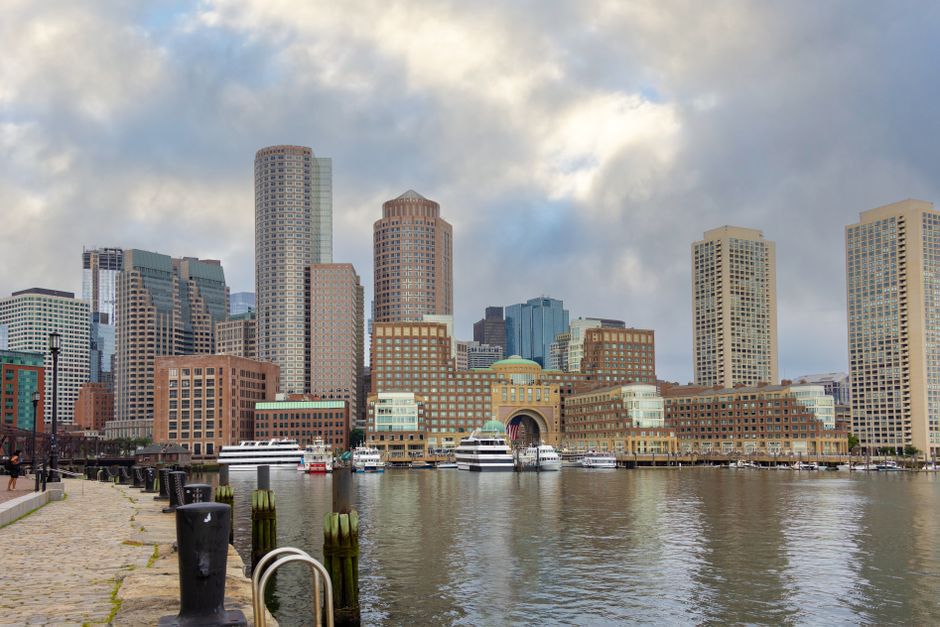
Three structural factors are reshaping Boston's high-end landscape. First, institutional wealth remains robust. Harvard's endowment, MIT's ongoing expansion in Kendall Square, and Boston University's presence continue to attract internationally mobile capital. These buyers treat Boston properties not as primary residences, but as stable anchors for family offices and business headquarters. Second, the Boston tech corridor—stretching from Cambridge through Somerville and into Seaport—has magnetised venture-backed founders and their networks, many seeking waterfront penthouses in the Seaport District or period townhouses in the South End where renovation potential commands premiums of 15-25% above asking.
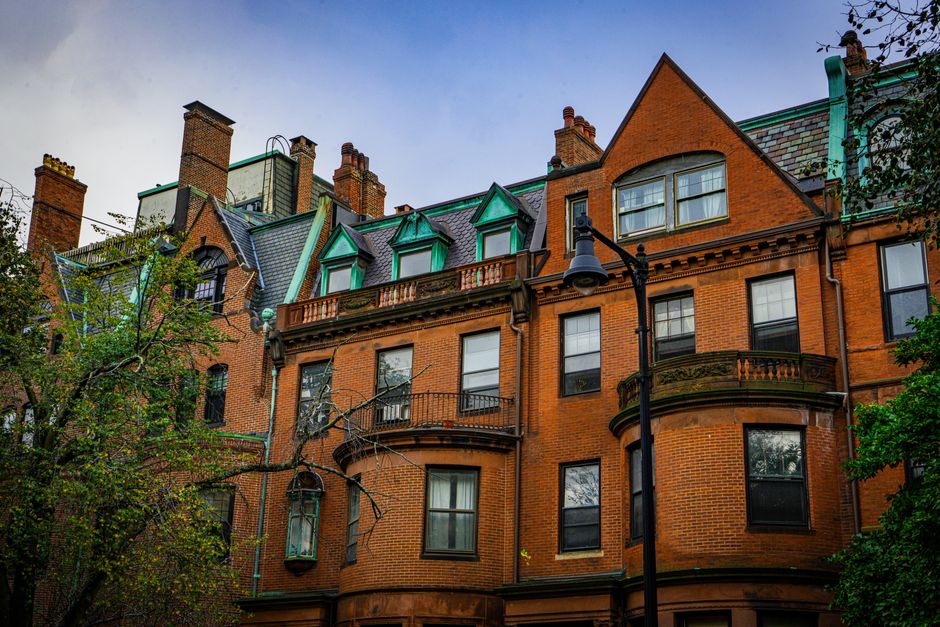
Third, and perhaps most critical, is supply scarcity. The historic stock in Beacon Hill and Back Bay represents roughly 2,500 owner-occupied units. New construction in these neighbourhoods is virtually impossible due to zoning and preservation laws. This inelasticity means that any uptick in demand from high-net-worth individuals translates immediately into price appreciation. A four-bedroom on Mount Vernon Street recently achieved $5.2 million—$850,000 above its 2022 valuation—despite no structural renovations.
For potential buyers in this segment, the current moment demands strategic patience. Interest rates, while declining from 2023 peaks, remain elevated compared to the 2010s baseline. This has compressed buyer pools, creating occasional windows for negotiation. Additionally, the luxury market lags broader cycles; downturns often arrive later at the top tier but last longer. Seasoned advisors recommend stress-testing affordability across fifteen-year horizons, not just the initial five.
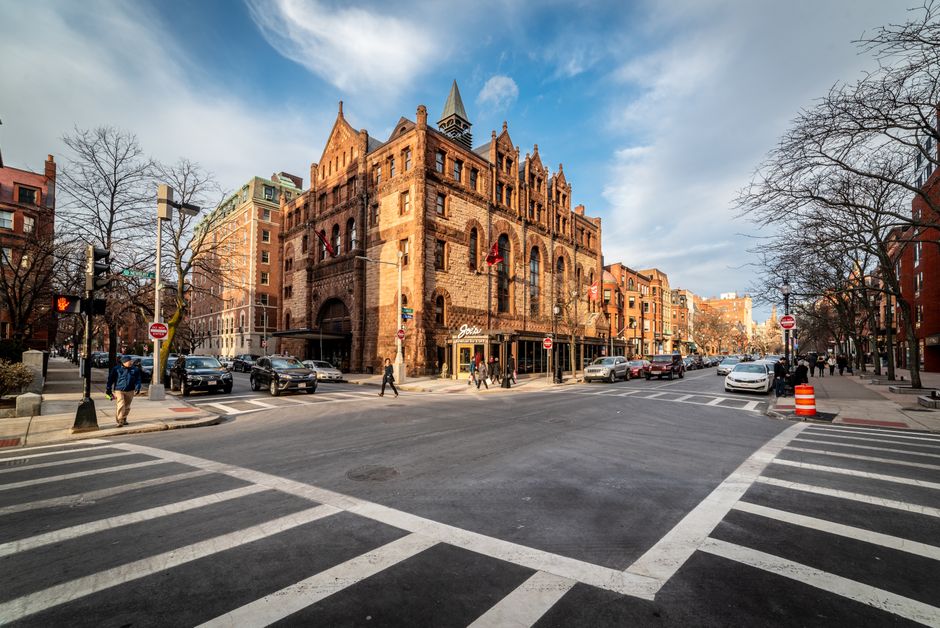
Location stratification is intensifying. Properties within walking distance of the Charles River Esplanade, the Museum of Science, or Newbury Street command premiums that newer developments in Somerville and Cambridge, despite their vibrancy, cannot yet match. Historic charm and institutional proximity remain the luxury market's most durable currency in Boston—a dynamic unlikely to shift regardless of rate cycles.
This article was compiled by AI from the sources linked above and screened before publishing. See our editorial standards.