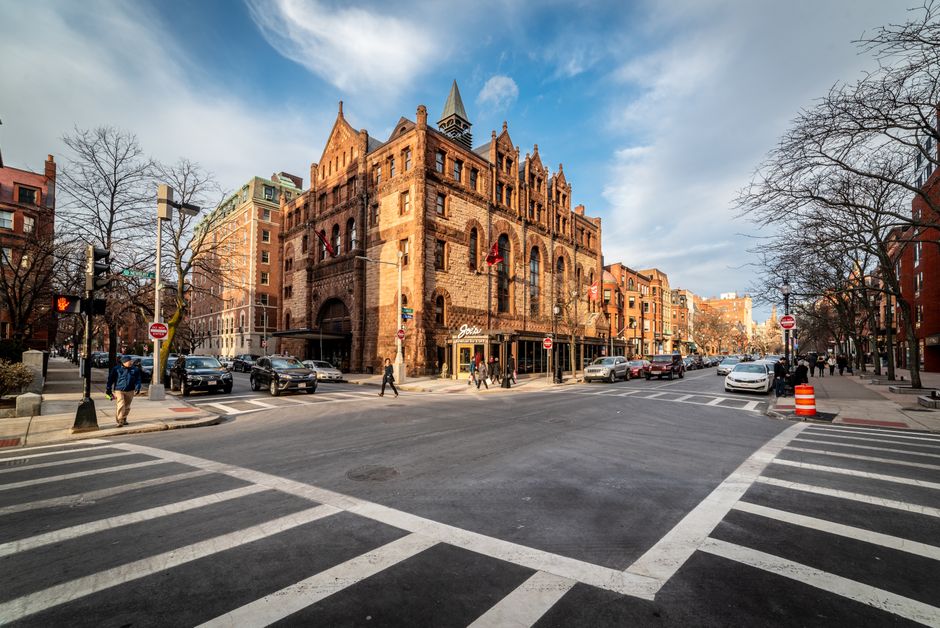
For first-time buyers eyeing Somerville or Cambridge, the mathematics of homeownership has shifted. With Boston's median hovering near $780,000, federal down payment assistance programs and Massachusetts' Affordable Housing Trust Fund grants can reduce initial outlays by 5–10 percent—real money when purchasing a $650,000 townhouse on Hanover Street or a Cambridge condominium near Harvard Square. Yet as investor activity intensifies across these neighborhoods, yield calculations reveal why the long game, not short flipping, drives genuine returns.
Recent Massachusetts Housing Partnership data shows first-time buyer grants averaging $25,000 to $35,000 statewide, with Boston-area eligibility peaking for households earning between $55,000 and $95,000. Combined with FHA loans (3.5 percent down) and the state's MassHousing program, qualified buyers can secure property with 10–15 percent capital deployment rather than the traditional 20 percent. On a $750,000 South Boston conversion, that's a $75,000 swing in day-one cash required.
But here's where investor arithmetic diverges from first-timer sentiment. Property appreciation in Back Bay and Beacon Hill historically runs 3–4 percent annually—respectable but modest against transaction costs (roughly 8–10 percent combined buying and selling fees). A buyer purchasing a $700,000 Beacon Hill townhouse with a grant-assisted 12 percent down payment ($84,000) faces $56,000 in closing costs just to exit profitably five years later. Factoring in mortgage interest, property tax (averaging 1.2 percent annually in Boston), and maintenance reserves (1 percent of property value yearly), actual yield for owner-occupiers rarely exceeds 6–7 percent annually when accounting for leverage.
Investors, however, approach differently. A landlord purchasing a two-family property in Jamaica Plain or Roxbury can generate 4–6 percent gross rental yields, bolstered by depreciation sheltering and potential appreciation. Yet this strategy demands capital discipline: vacancy rates, tenant turnover, and regulatory pressures (Boston's rent control measures remain moderate but evolving) compress net yields to 2–3 percent after expenses for many amateur operators.
The first-time buyer's true advantage, then, isn't speculation—it's permanence. Grants and favorable financing reward those planning 10+ year occupancy. Federal grant programs through nonprofits like The Boston Foundation's community partners and Massachusetts Housing Finance Agency loans specifically target owner-occupiers, not investors. For buyers targeting emerging neighborhoods like Kendall Square or Fort Point, combined with sweat equity in renovations, inflation-adjusted returns compound steadily.
The data whispers what seasoned brokers know: Boston's next wealth creation belongs to patient first-timers using public capital strategically, not to yield-chasers chasing appreciation mirages.
This article was compiled by AI from the sources linked above and screened before publishing. See our editorial standards.