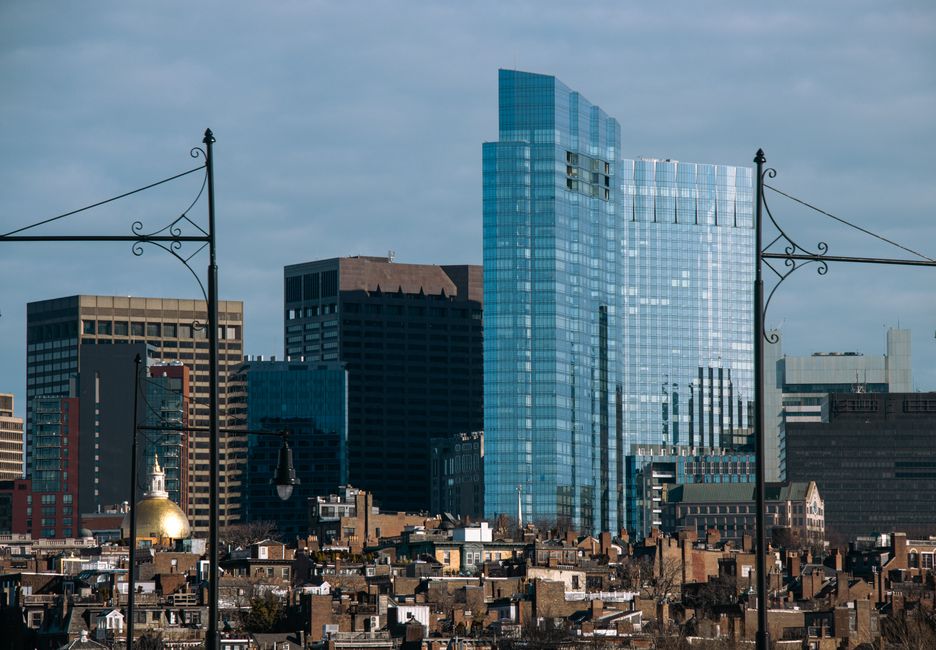
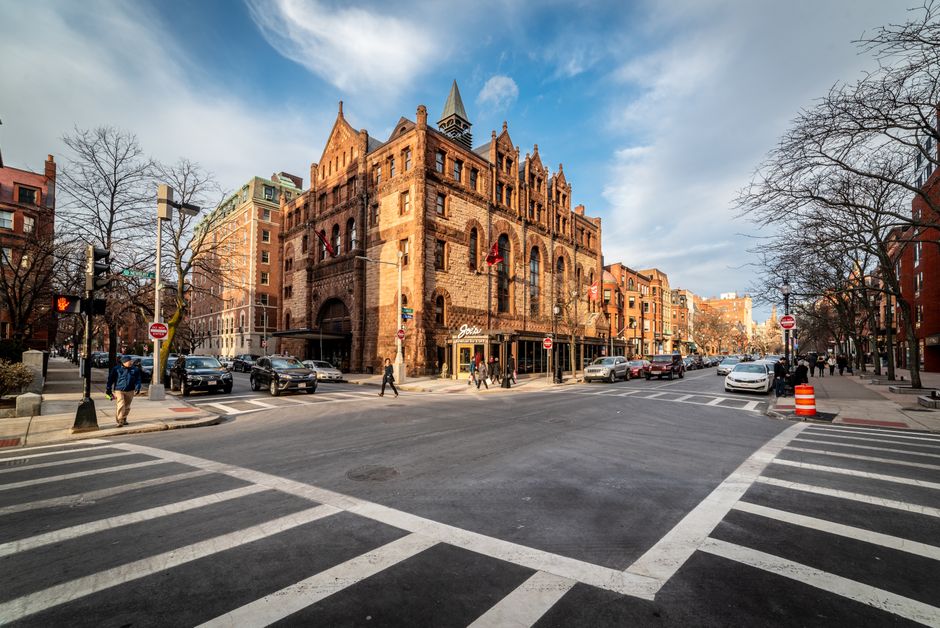
The rental market pinch in Boston has reached a breaking point for both sides of the lease. While tenants in Somerville and Cambridge struggle to justify 40-50% of monthly income going toward rent, landlords are caught between climbing operating costs and tenant retention concerns that threaten their investment viability.
Current market data shows median rents in the Greater Boston area hovering near $2,400 monthly—a 12% increase from two years ago. In premium neighbourhoods like Beacon Hill and Back Bay, luxury apartments command $3,500-$4,200, pricing out mid-career professionals. Yet the real pressure is visible on Newbury Street's ground-floor retail conversions and along Commonwealth Avenue, where landlords increasingly segment properties into micro-units to maximize revenue while minimizing tenant expectations.
For renters, the mathematics have become unforgiving. A teacher earning $65,000 annually cannot comfortably afford a one-bedroom in Cambridge's Central Square at $2,800. Young families are leapfrogging to Medford or Revere, abandoning the urban core that once defined Boston's appeal. Meanwhile, landlords report longer vacancy cycles—averaging 35 days—as quality tenants disappear into homeownership or out-of-state relocations.
Property owners face their own squeeze. Building insurance, property taxes, and routine maintenance have spiked 8-15% since 2024. A mid-sized building on Lansdowne Street might absorb $50,000 annually in added operating expenses, forcing difficult choices: absorb costs, raise rents beyond market tolerance, or defer maintenance. Many are choosing the latter, creating a secondary crisis of aging infrastructure across South Boston's rental stock.
The university-driven demand that has traditionally anchored Boston's rental market shows signs of softening. Boston University and Northeastern have capped housing guarantees, forcing more students into the private rental pool. Yet even this traditional demand driver cannot offset the exodus of wage-earners priced out entirely.
Advocacy groups like the Boston Housing Authority have documented a 22% increase in formal eviction filings year-over-year, concentrated in Dorchester and Roxbury. Simultaneously, smaller landlords—those managing 5-20 properties—are exiting the business, consolidating ownership toward institutional investors with deeper pockets but less local accountability.
The rental market's current state reflects a market in search of equilibrium. Neither sustainable rent increases nor forced affordability mandates appear imminent, leaving Boston's neighbourhoods in a state of uncomfortable transition, where neither tenants nor small landlords are winning.
This article was compiled by AI from the sources linked above and screened before publishing. See our editorial standards.