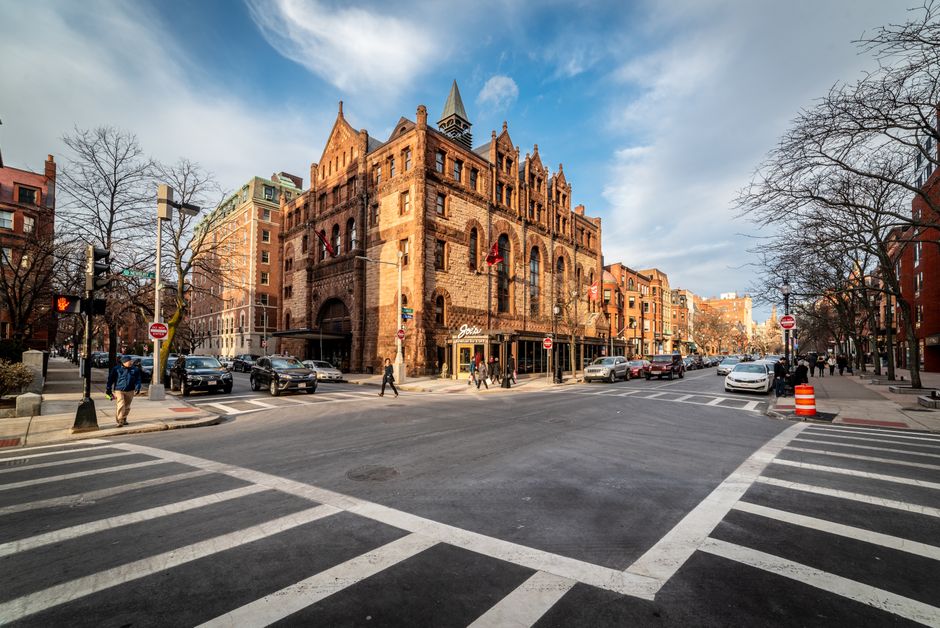
Boston's luxury rental market is experiencing a peculiar tension. While median rents in prestigious neighbourhoods like Beacon Hill have climbed beyond $3,500 monthly for a two-bedroom, landlords report longer vacancy periods and more demanding tenants—a dynamic that defies the traditional supply-scarcity narrative.
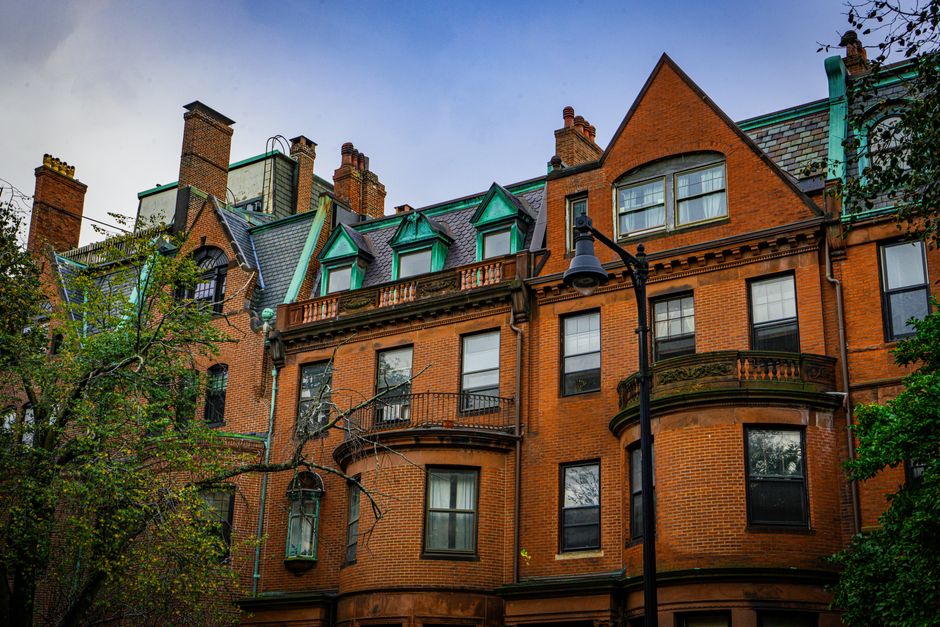
The paradox stems from a fundamental shift in the high-end rental landscape. Over the past eighteen months, investment firms have acquired heritage brownstones along Charles Street and Louisburg Square, converting owner-occupied properties into rental units. Simultaneously, institutional investors have developed new luxury apartment buildings in Cambridge and Somerville, flooding the market with contemporary alternatives that compete directly with Boston's traditional prestige addresses.
"We're seeing tenants trade character for amenities," explains the rental market dynamics affecting properties across the Back Bay and South End. Prospective renters—many relocated tech workers and finance professionals—increasingly compare a $4,200 Charles Street Federal with a newly built $3,800 Cambridge apartment offering gym facilities, co-working space, and smart-home technology. The psychological calculus has shifted.
For landlords, the implications are stark. Properties requiring significant upkeep—original hardwood floors, older HVAC systems, period-appropriate renovations—face pressure to either reduce asking prices or invest capital into modernisation. Several Beacon Hill property managers report turnover rates approaching 40 percent annually, compared to historical norms of 15-20 percent. Marketing costs have doubled as competitive pressure mounts.
Tenants, conversely, enjoy unprecedented leverage. Those willing to sign longer leases or commit early in the season secure meaningful concessions—two months free rent, covered utilities, or professional furnishing allowances. The institutional landlords dominating new developments incentivise lease terms, while traditional Boston property owners often lack negotiating flexibility.
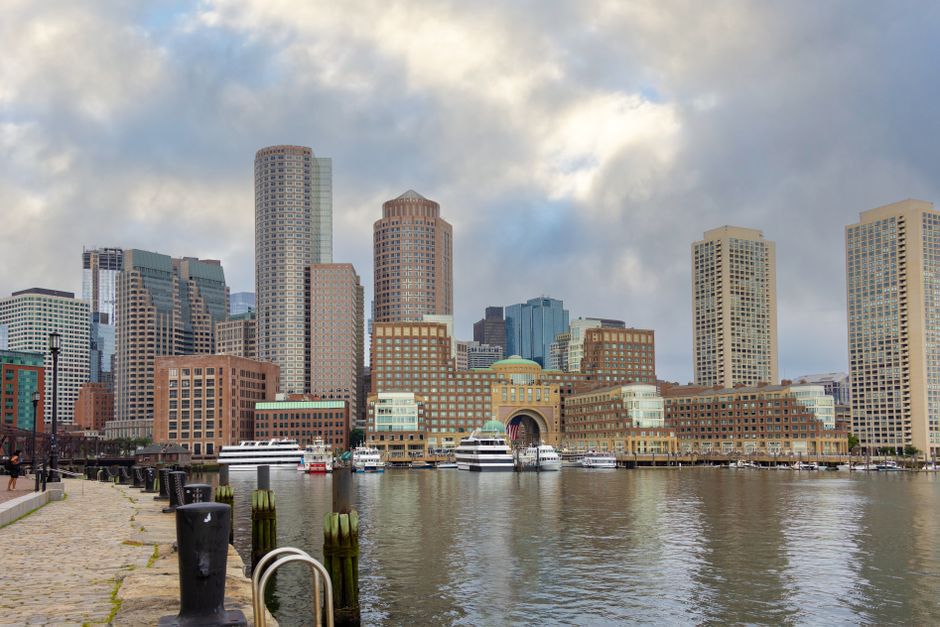
The transformation carries implications beyond rental economics. Younger professionals—precisely the demographic driving university-adjacent demand in Cambridge and Somerville—increasingly choose newly developed neighbourhoods over established prestige addresses. South Boston's ongoing transformation attracts renters seeking value-for-money luxury, potentially weakening demand for Beacon Hill's premium positioning.
Market observers anticipate consolidation ahead. Smaller independent landlords managing single properties or small portfolios may find the operational burden unsustainable as vacancy risks increase and tenant expectations escalate. Meanwhile, institutional players with capital reserves and operational scale continue acquiring portfolios, reshaping Boston's luxury rental identity.
The rental market squeeze ultimately signals a maturing luxury segment, where heritage prestige alone no longer commands premium positioning—a significant recalibration for a city historically defined by its architectural pedigree.
This article was compiled by AI from the sources linked above and screened before publishing. See our editorial standards.