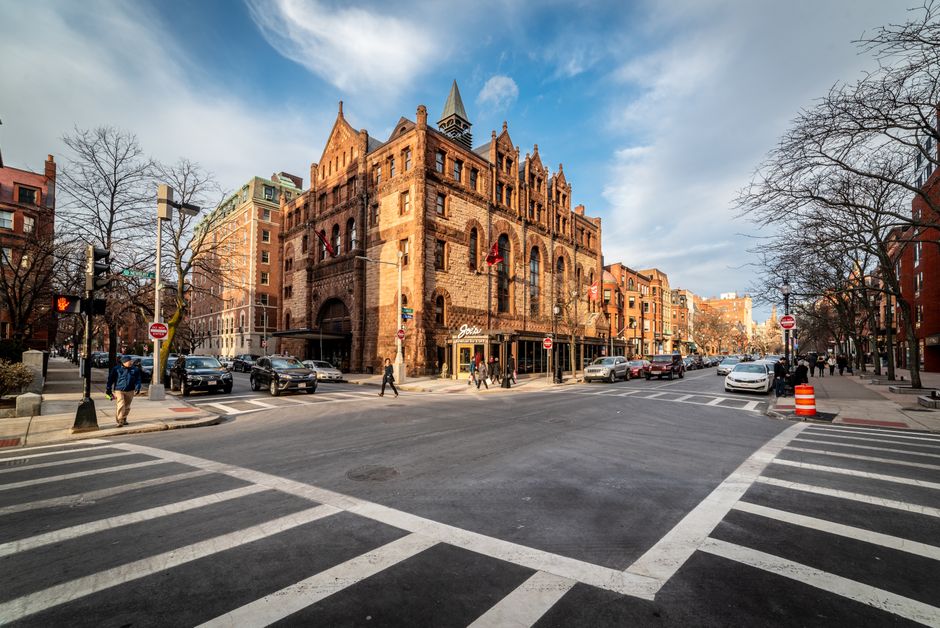
The Boston luxury rental market is experiencing a peculiar tension. While median rents across the city hover around $2,400 monthly for a two-bedroom, premium addresses in Beacon Hill and Back Bay are commanding $4,500 to $6,500—sometimes more. Yet landlords increasingly report longer vacancy periods, suggesting the market may be pricing out even affluent renters.
The shift reflects broader economic anxiety among Boston's high-earning demographic. Investment bankers and pharmaceutical executives who might have automatically rented a Charles Street brownstone conversion five years ago are now questioning the math. A 2,500-square-foot Back Bay penthouse leasing for $5,800 monthly represents a significant financial commitment when comparable properties in Cambridge or Somerville start at $3,900.
"We're seeing sophisticated tenants become more discerning," says property management data from recent market surveys. Landlords, meanwhile, are caught between holding prices and accepting lower offers. Some are investing heavily in amenities—private fitness studios, wine cellars, concierge services—to justify premiums. Others are accepting shorter-term flexibility, a concession unthinkable in Boston's traditionally buttoned-up rental ecosystem.
The university corridor—Cambridge and the areas surrounding Harvard and MIT—presents a contrasting picture. Graduate student housing and young faculty rentals remain resilient, with consistent demand keeping Cambridge two-bedrooms between $2,800 and $3,600. This stability has drawn investors away from tighter Beacon Hill markets toward institutional tenancy.
South Boston's transformation complicates the narrative further. Waterfront developments and renovated warehouse conversions are capturing renters priced out of established prestige neighborhoods. A modern South Boston loft now commands what a Back Bay walk-up asked three years ago, luring younger professionals and empty-nesters seeking value without abandoning urban amenities.
Tax implications also matter. Massachusetts' recent discussions around property taxation and rental regulations have prompted some landlords to reconsider Boston investments, particularly those holding multiple units. Uncertainty about future policy creates pressure to maintain competitive pricing during lease negotiations.
The market hasn't crashed—inventory remains selective, and quality properties find tenants. But the easy appreciation of the pre-2024 era has evaporated. Landlords are learning that a prestigious address no longer guarantees the premium it once commanded. For tenants, the silver lining is returning negotiating power: rent reductions, tenant improvement allowances, and flexible lease terms are increasingly available to those willing to look beyond Beacon Hill.
The luxury rental correction, while gradual, signals a maturing market where supply, demand, and economic reality must finally reconcile.
This article was compiled by AI from the sources linked above and screened before publishing. See our editorial standards.