Boston's first-time home buyer market is undergoing seismic shifts. With the median property now sitting at $780,000, the city's Planning and Development Agency announced in March 2026 that new inclusionary zoning requirements would unlock an estimated $45 million in affordable housing initiatives across the next five years. For those watching Somerville and Cambridge's explosive growth, the ripple effects are already visible—and they're reshaping who can actually afford to buy.
The state legislature's recent amendments to the Massachusetts Housing Finance Agency (MassHousing) grant programme have tightened income thresholds, capping eligibility at 100 percent of area median income rather than the previous 120 percent. That shift alone has locked out approximately 8,000 potential first-time buyers across the greater Boston region, according to analysis by the Boston Real Estate Board. For a family earning $95,000 annually, the difference is stark: yesterday's $35,000 grant has evaporated.
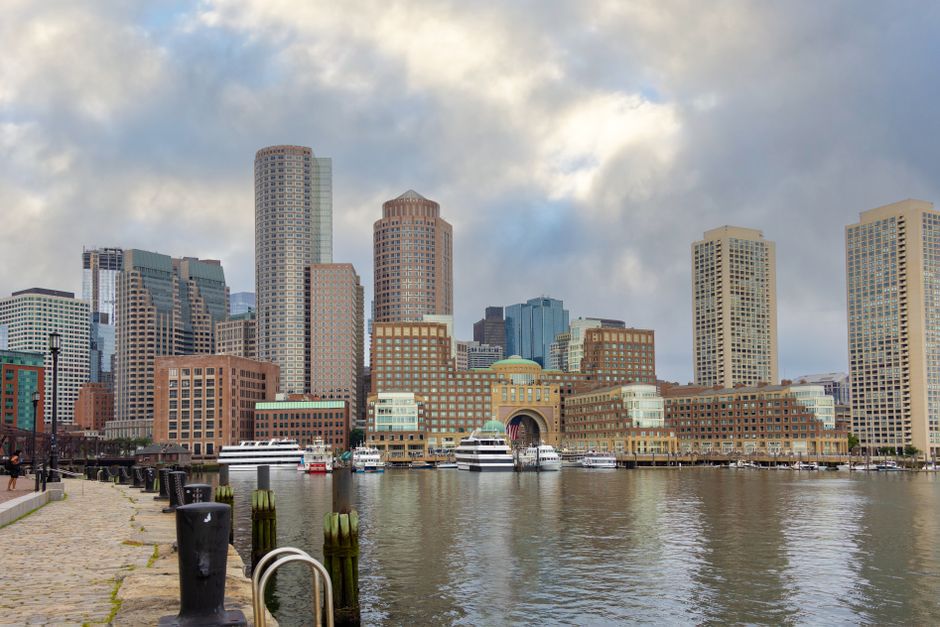
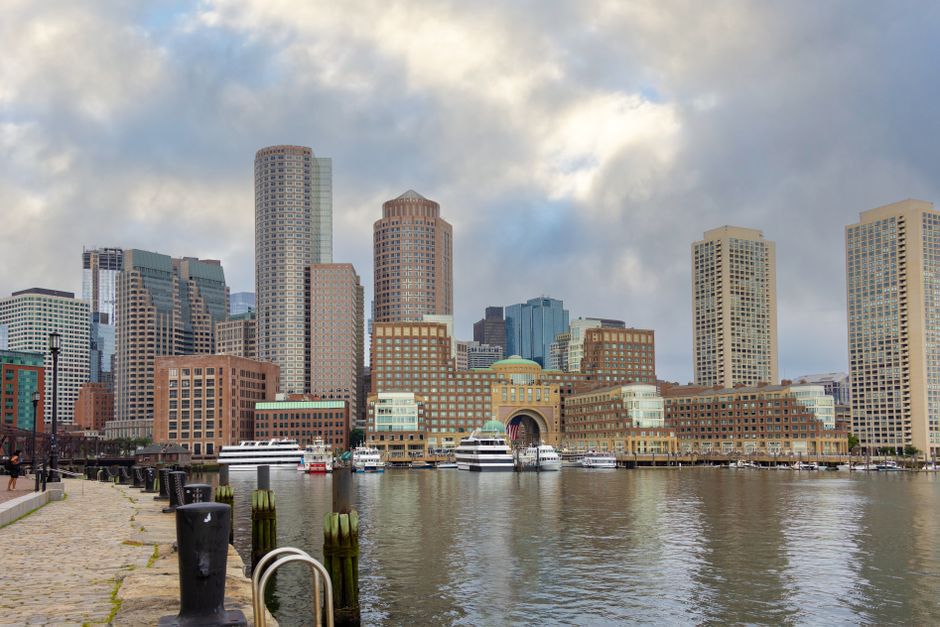
Meanwhile, South Boston's ongoing transformation—driven partly by the Seaport District's maturation and the reconfiguration of planning requirements along the Harborwalk corridor—has created unexpected winners and losers. Properties on Dorchester Avenue and nearby side streets remain within reach at $650,000 to $750,000, but inventory constraints mean competition is fierce. Cambridge's Fresh Pond neighbourhood, once a relative bargain, now averages $1.2 million as Harvard and MIT demand spreads westward.
The city's new Adaptive Reuse Zoning Initiative, which took effect in April 2026, permits conversion of commercial properties in Allston-Brighton and parts of Jamaica Plain into residential units. Early projections suggest this could unlock 600 units priced between $500,000 and $650,000—but only for buyers who secure financing before August 2026, when another round of credit requirement tightening takes hold.
First-time buyers are adapting. The Boston Homebuyer Coalition reports a surge in interest for the Down Payment Assistance Program, which still offers up to $40,000 for qualified applicants purchasing within designated Opportunity Zones—largely centred on Mattapan, Roxbury, and parts of Dorchester. Combined with MassHousing's remaining grants, this remains the most viable pathway for buyers earning under $85,000.
The takeaway: policy decisions made behind closed doors at City Hall and the State House are now determining which neighbourhoods remain within reach. For serious buyers, timing isn't everything—but it's increasingly everything that matters.
This article was compiled by AI from the sources linked above and screened before publishing. See our editorial standards.