Boston's New Zoning Fast-Track Accelerates Development, But Not Everyone Benefits
Policy overhauls aimed at speeding approvals are reshaping neighborhoods from Seaport to Somerville, with winners and losers emerging in unexpected places.
Policy overhauls aimed at speeding approvals are reshaping neighborhoods from Seaport to Somerville, with winners and losers emerging in unexpected places.

Boston's planning department has quietly reshaped the development pipeline. In March, city officials introduced expedited review protocols for projects meeting affordability thresholds—a policy shift that's already rewriting the real estate calculus across multiple neighborhoods and raising questions about who actually benefits from faster approvals.
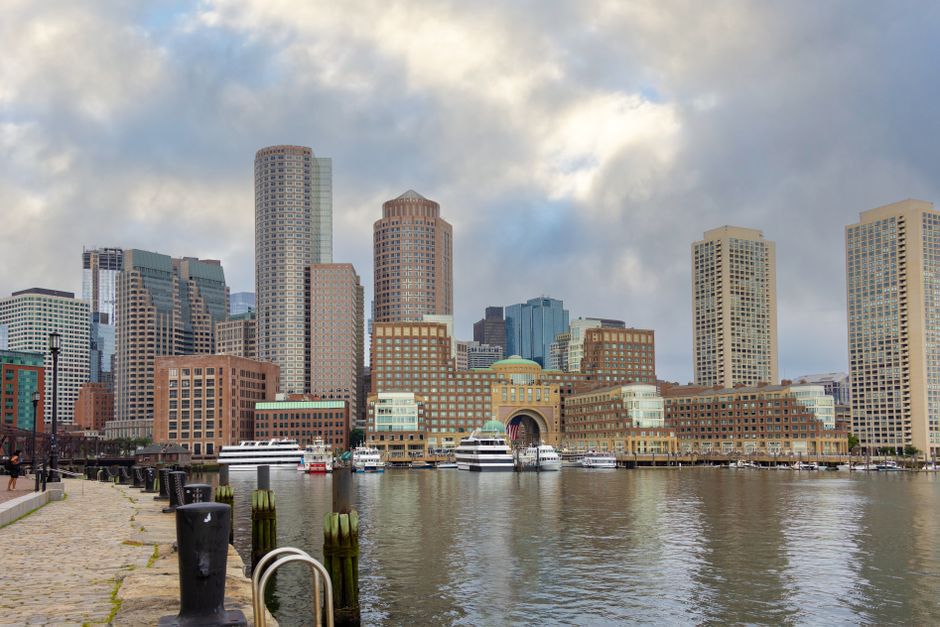
The new framework, which reduces approval timelines from 18 months to nine for developments committing 20% affordable units, has unlocked stalled projects worth an estimated $4.2 billion citywide. Along the Harborwalk and in emerging pockets of South Boston, where median prices have climbed toward $850,000, developers are racing to file applications before anticipated policy tightening in 2027.
Cambridge's similar initiative, launched two years earlier, offers a cautionary tale. While permitting accelerated, the affordable housing targets often translated to smaller, lower-quality units tucked into basements or upper floors. Somerville developers, watching this unfold across the river, have negotiated deeper community benefits agreements—suggesting Boston's process may mature faster than Cambridge's did.
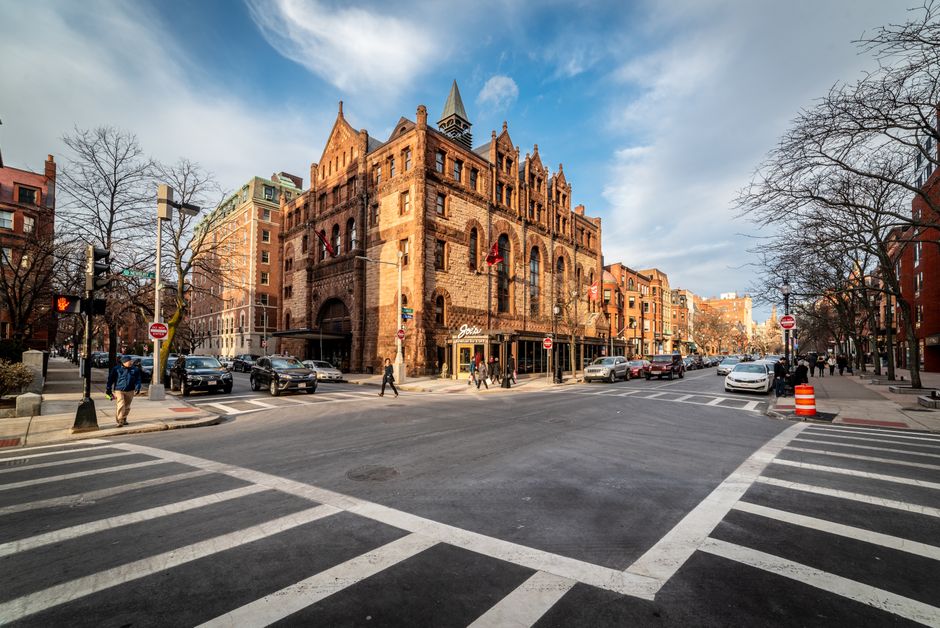
The real tension sits on Beacon Hill and Back Bay, where historic district overlays limit what the fast-track rules can touch. Property owners in these premium neighborhoods—where homes regularly exceed $2 million—argue the policy creates unfair competitive advantages for peripheral areas. Meanwhile, advocates in Jamaica Plain and Roxbury note that expedited approval means little when projects target market-rate units above the neighborhood's $780,000 median.
Andrew Square in South Boston emerged as the policy's unexpected success story. Four projects totaling 620 units cleared approval in five months—unthinkable under the old system. Yet local real estate professionals warn that speed without adequate community planning infrastructure risks repeating the growing pains that plagued Seaport's early boom years.
The Boston Planning & Development Agency reports that 68% of fast-tracked applications have come from non-local developers, a statistic that troubles city councilors overseeing Roxbury and Dorchester. These neighborhoods, historically excluded from development cycles, now face pressure to scale—but often without the institutional knowledge or local capital that shaped recent transformations in South Boston and Cambridge.
As the 2027 policy review approaches, the market is reading the tea leaves. Land values in Somerville and Everett have surged 23% this quarter alone, fueled by speculation about approval timelines. The question isn't whether Boston's new development machine works—it demonstrably does—but whether it works for Boston's neighborhoods equally, or simply for those developers nimble enough to navigate the current moment.
This article was compiled by AI from the sources linked above and screened before publishing. See our editorial standards.
How does this story make you feel?
Spread the word
About this article
Published by The Daily Boston
Daily brief
Free, in your inbox before 7am. Weekdays.
More in Property