Boston's Luxury Market Delivers: What Double-Digit Returns Tell Investors
While the median home sits at $780k, high-end properties in Beacon Hill and Back Bay are posting gains that reshape portfolio strategy.
While the median home sits at $780k, high-end properties in Beacon Hill and Back Bay are posting gains that reshape portfolio strategy.
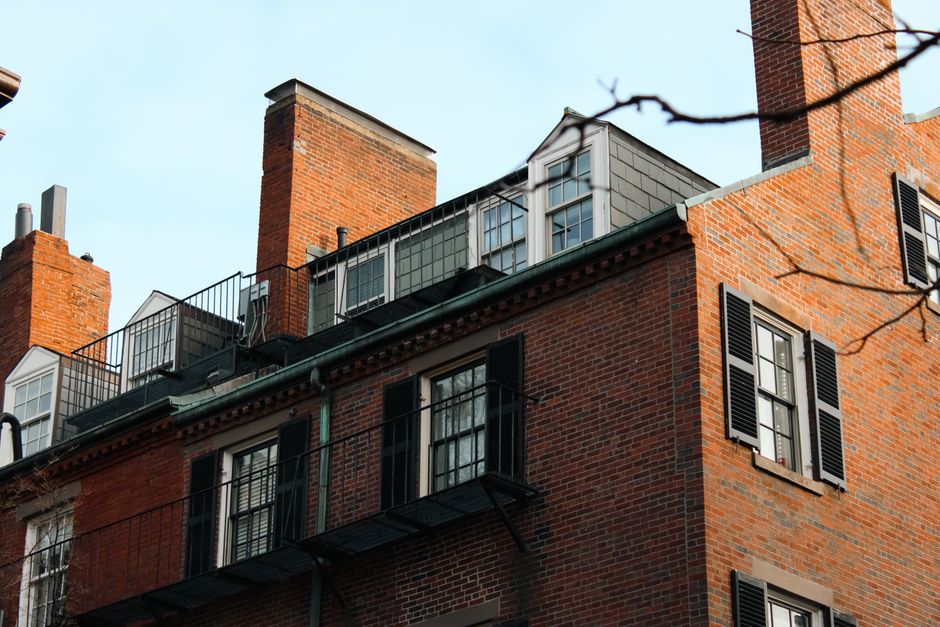
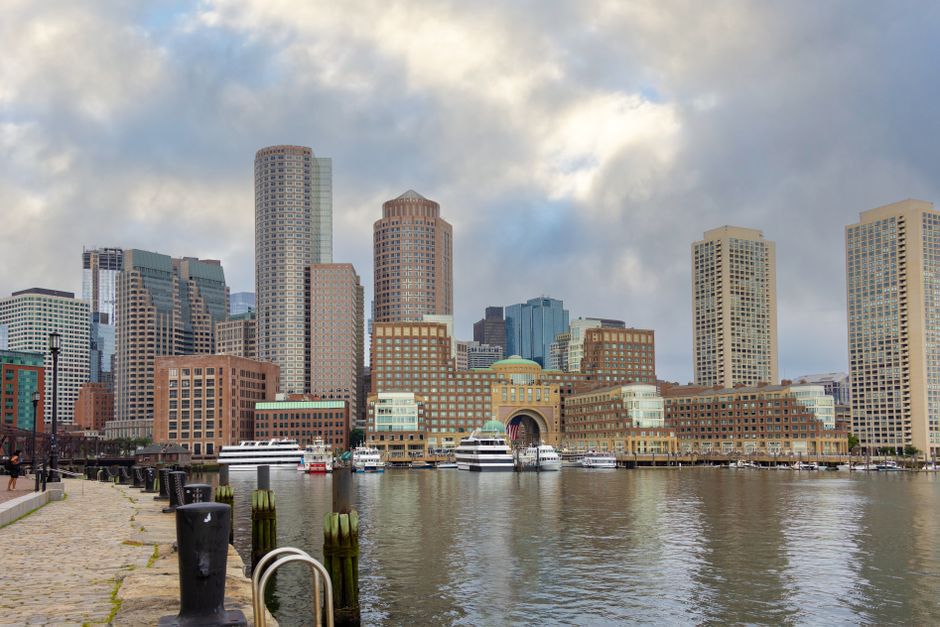
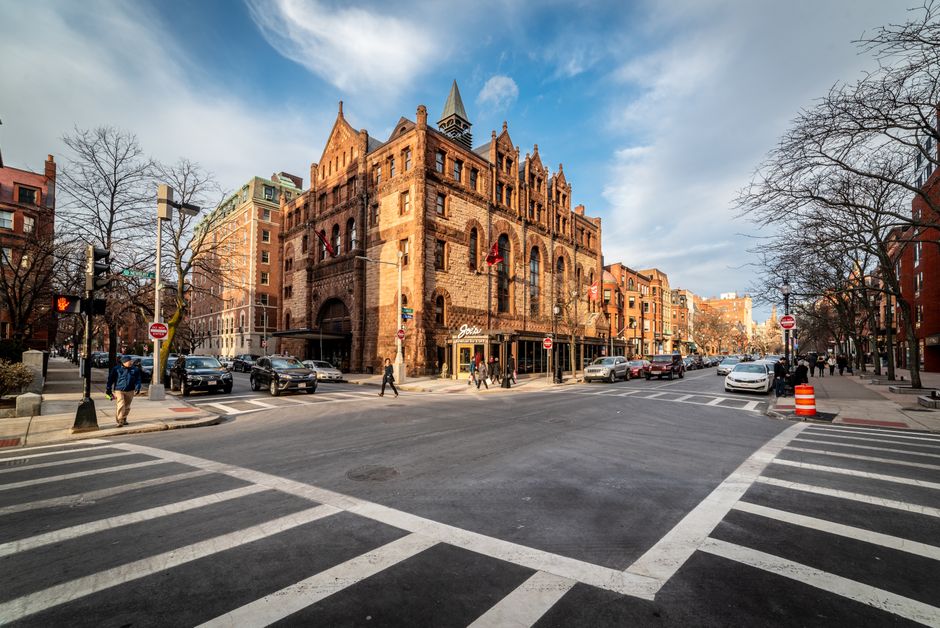
Boston's luxury property market is speaking a language investors increasingly want to hear. Recent sales data from the past eighteen months reveals that premium residential assets—particularly those exceeding $2 million in neighbourhoods like Beacon Hill, Back Bay, and Cambridge's Brattle Street corridor—are generating returns that significantly outpace broader market performance.
The numbers are striking. A townhouse on Mount Vernon Street in Beacon Hill that traded hands for $3.2 million in 2023 sold again this month for $3.8 million, representing a 19 percent appreciation in just three years. Similar patterns have emerged across Charles Street and along the Esplanade waterfront, where ultra-premium four- and five-bedroom properties routinely clear asking price within weeks, often attracting competitive bidding from institutional investors.
"The luxury segment operates almost independently," explains the Boston Society of Architects in recent market analysis. High-net-worth purchasers—often leveraging overseas capital or relocating executives from tech and finance hubs—are treating these properties as appreciating assets rather than primary residences. The effect ripples through Cambridge's Harvard Square proximity and Somerville's emerging Gold Triangle tech corridor, where conversion of historic mansions into luxury multifamily developments has catapulted per-unit yields to near 7 percent annually.
Back Bay's transformation illustrates the trend most vividly. Commonwealth Avenue properties that fetched $1.8 million five years ago now command $2.4 million-plus, while new construction on Dalton Street continues to attract venture capital principals seeking tax-advantaged real estate portfolios. The neighbourhood's proximity to cultural anchors—the Boston Public Library, Museum of Fine Arts, and Copley Place—sustains demand regardless of economic cycles.
Yet the market carries inherent volatility. A recent $1.95 million property sale on Pinckney Street represented a marginal loss for its previous owner, suggesting that timing, unit-specific condition, and interest rate environments remain critical variables. Institutional investors have begun allocating capital more cautiously, with some funds preferring multi-unit buildings in Cambridge near MIT and Harvard to single-family detached homes.
For individual investors, the data suggests a bifurcated market: properties priced below $1.5 million track closer to Boston's $780k median trajectory, while assets above $2.5 million generate returns that justify the holding costs and management complexity. The luxury market's resilience, particularly in Beacon Hill's historically stable envelope, continues to attract capital seeking portfolio diversification beyond traditional equities.
This article was compiled by AI from the sources linked above and screened before publishing. See our editorial standards.
How does this story make you feel?
Spread the word
About this article
Published by The Daily Boston
Daily brief
Free, in your inbox before 7am. Weekdays.
More in Property