Boston's rental market has tightened to a breaking point. Vacancy rates have slipped below 3% across most neighborhoods, a figure that would have seemed unthinkable five years ago. For renters hunting for apartments along the Charles River corridor or in the increasingly desirable neighborhoods of Somerville and Cambridge, this scarcity translates directly to wallet pain.
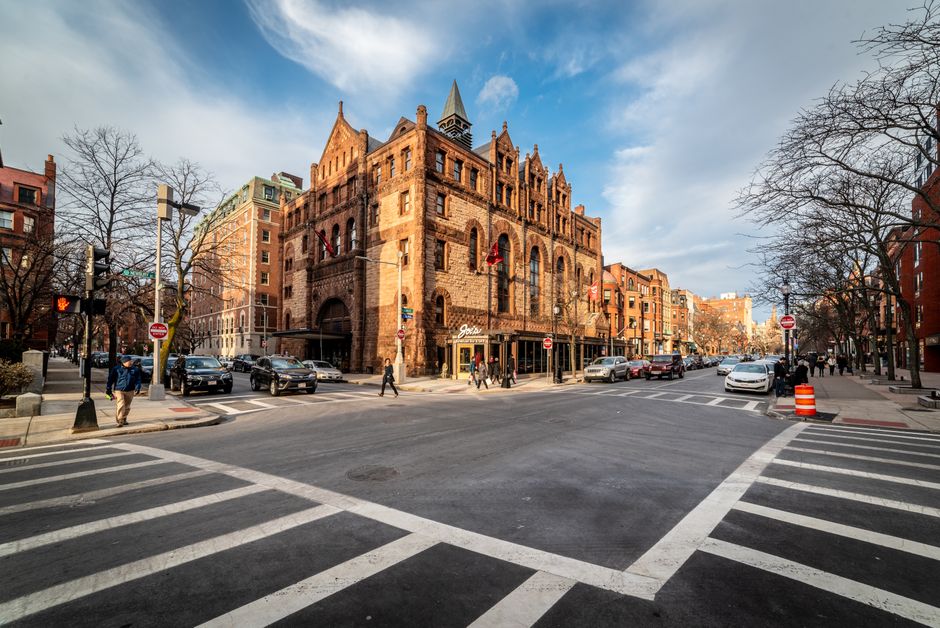
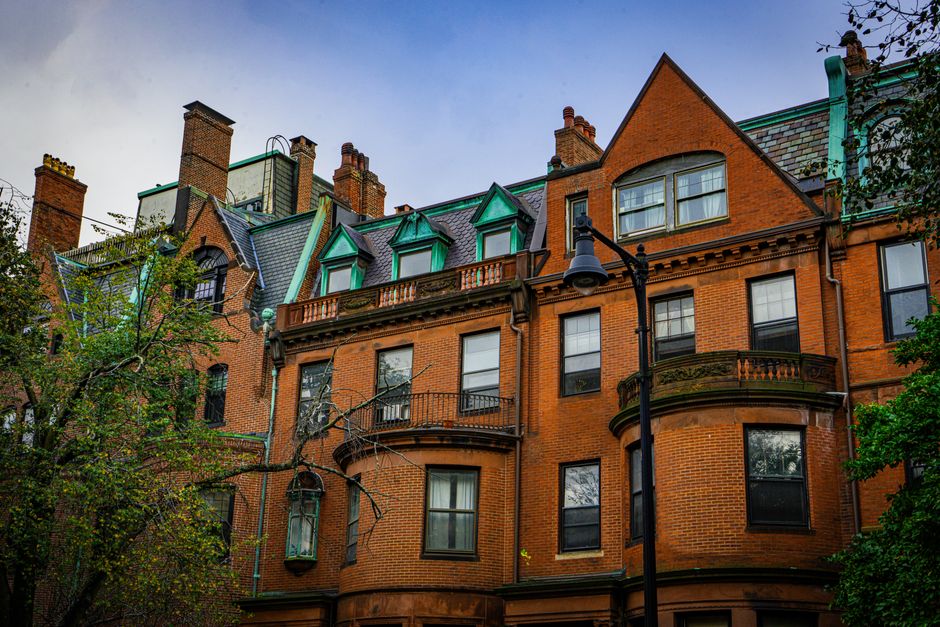
The median rent for a one-bedroom in Boston now hovers around $2,100 monthly—up nearly 18% since 2024. In Beacon Hill and Back Bay, where historic brownstones command premium prices, landlords are routinely asking $3,000 or more for comparable units. Even South Boston, once a bargain neighborhood in transition, has seen three-bedroom rents climb past $3,500.
Three factors are colliding to create this perfect storm. First, university-driven demand remains relentless. Boston University, Northeastern, Harvard, and MIT continue attracting thousands of students annually, with many opting to live off-campus. That institutional appetite for housing stock shows no signs of cooling. Second, remote work flexibility has attracted young professionals from saturated coastal cities, who view Boston's neighborhoods as more livable than New York or San Francisco. Third, investor activity has accelerated. Property groups recognizing the city's tight fundamentals have been acquiring multifamily buildings along major corridors—from Lansdowne Street to the emerging tech hubs near Kendall Square in Cambridge.
The vacancy crunch has real consequences. Tenants now face bidding wars for desirable units, accelerated move-in timelines, and landlords demanding three months' deposit plus first month's rent upfront. Credit checks and income verification have become standard gatekeeping tools.
What should prospective renters know? Start by casting a wider net geographically. While Somerville's Union Square and Davis Square command premium rents, neighborhoods further from the T—like parts of Medford or Malden—still offer relative relief. Build relationships with local property managers rather than relying solely on apps; word-of-mouth referrals sometimes surface units before they hit the market. Finally, lock in long-term leases if you find something affordable. With rates rising, signing a two-year agreement at today's price could save thousands over time.
The rental market's current trajectory appears unsustainable. New supply projects along the Seaport and in Kendall Square should eventually ease pressure. But for tenants hunting now, the message is clear: move quickly, negotiate early, and don't assume prices will moderate anytime soon.
This article was compiled by AI and screened before publishing. See our editorial standards.