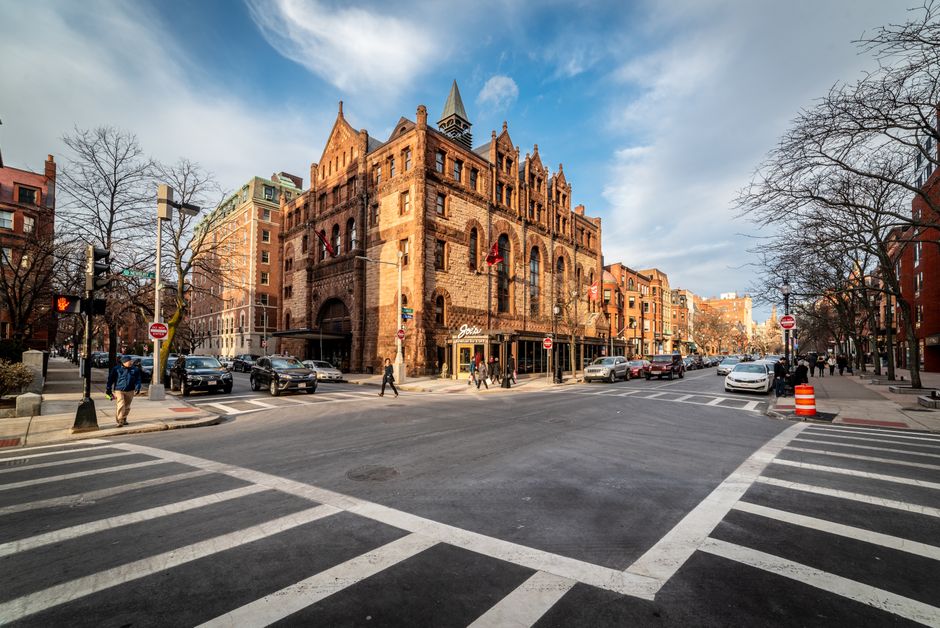
Boston's rental market has reached a pivotal inflection point. With median rents now hovering near $2,400 for a one-bedroom apartment in desirable neighbourhoods like Beacon Hill and the Back Bay, tenants are increasingly priced out, while landlords face an unexpected paradox: higher rents aren't necessarily translating to better margins.
The pressure is particularly acute in Somerville and Cambridge, where proximity to Harvard and MIT has driven rapid gentrification. A two-bedroom on Massachusetts Avenue in Somerville that rented for $1,800 just three years ago now commands $2,600—a 44 per cent increase that far outpaces wage growth for service workers and younger professionals. Meanwhile, vacancy rates have compressed to near-record lows of 2.5 per cent across the greater Boston area, leaving prospective tenants scrambling and landlords holding significant leverage.
Yet this apparent landlord advantage masks growing challenges. Property owners report that rising property taxes, insurance premiums, and mandatory energy efficiency upgrades have squeezed operating margins. A Brookline Avenue landlord managing a converted brownstone described the situation bluntly: higher rents cover elevated costs, but leave little room for unexpected repairs or vacancy periods.
The human toll on tenants is more visible. Organisations like Boston's Community Development Corporation report an uptick in households spending 50 per cent or more of income on housing—well above the sustainable 30 per cent threshold. Young professionals working at hospitals near Longwood Medical Area or tech firms in the Seaport District increasingly commute from more affordable pockets in Worcester or Providence, transforming regional transit patterns.
University-driven demand compounds the challenge. The September cycle of student leasing floods neighbourhoods around BU, Northeastern, and Boston College with temporary demand, creating pricing volatility that ripples through adjacent blocks. Landlords have capitalised on this, but it has also incentivised short-term rentals, fragmenting community stability.
The regulatory environment adds another layer. Boston's rent control restrictions and renter protection laws—among the strictest in the nation—discourage some landlords from maintaining or upgrading properties. Others respond by pushing rents aggressively when leases renew, knowing they cannot rely on long-term tenant relationships.
Housing advocates argue for expanded affordable housing initiatives, while landlord associations push back against caps on rental increases. The South Boston transformation, once hailed as mixed-income progress, increasingly mirrors broader Boston patterns: premium market rents driving out moderate-income residents. As summer 2026 unfolds, neither tenants nor landlords report confidence. Both groups are waiting to see whether this cycle corrects or calcifies.
This article was compiled by AI from the sources linked above and screened before publishing. See our editorial standards.