Why Boston Home Prices Keep Climbing—And What Buyers Must Understand Before Making a Move
University expansion, limited inventory, and investor interest are reshaping the region's affordability crisis.
University expansion, limited inventory, and investor interest are reshaping the region's affordability crisis.
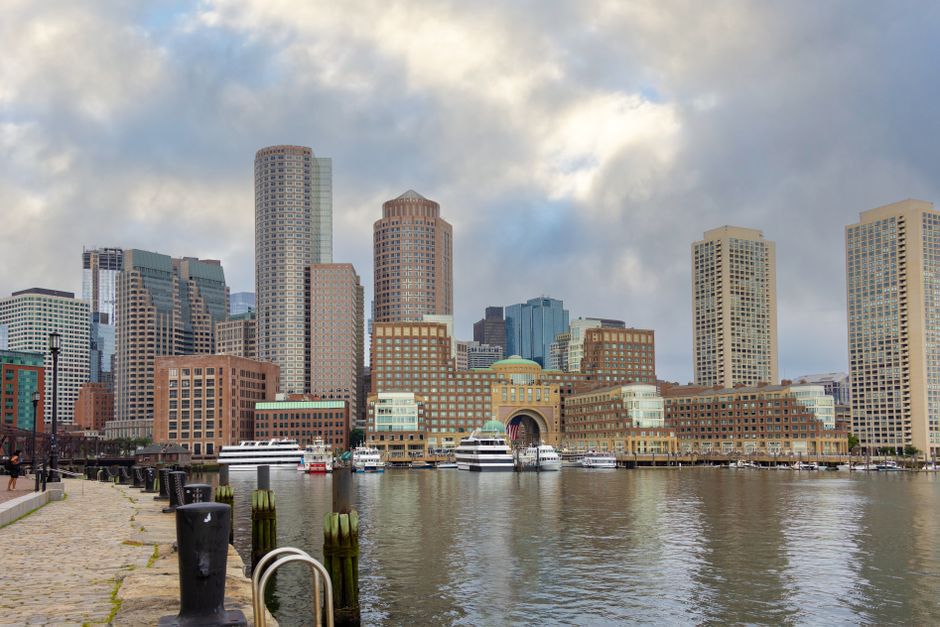
Boston's housing market remains locked in an upward spiral that shows no signs of easing. With the median home price hovering near $780,000, buyers are confronting a reality that extends far beyond sticker shock: the fundamental forces reshaping who can afford to live here, and where.
Three interconnected pressures are driving prices across Greater Boston. First, the region's world-class institutions—Harvard, MIT, Boston University, and Northeastern—continue attracting talent and capital. Graduate students, postdoctoral researchers, and tech workers gravitating toward Cambridge and Somerville have created sustained demand that far outpaces new housing supply. Somerville and Cambridge together have seen median prices climb into the $900,000 range, making neighborhoods like Union Square and Kendall Square de facto extensions of the university real estate market.
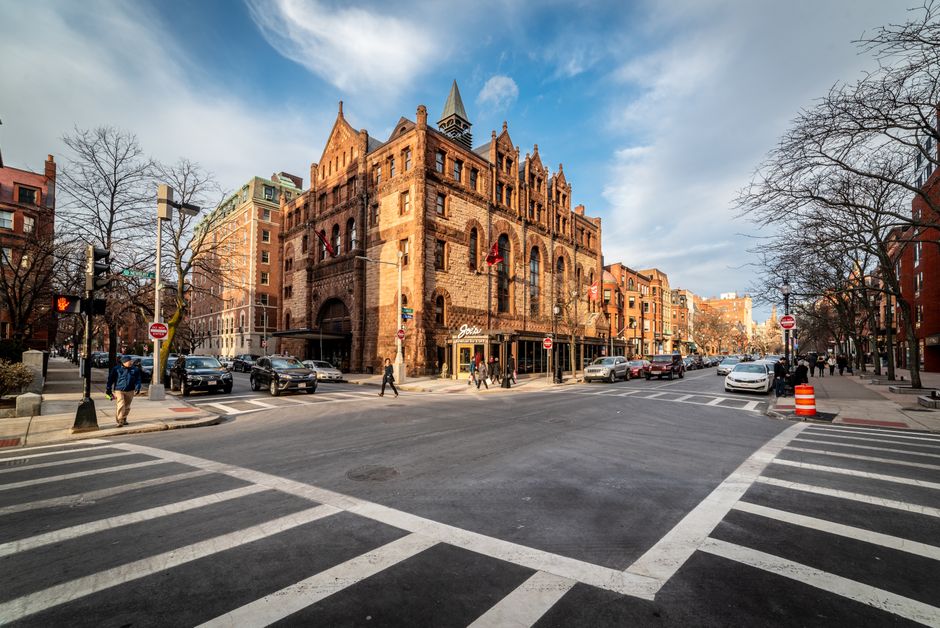
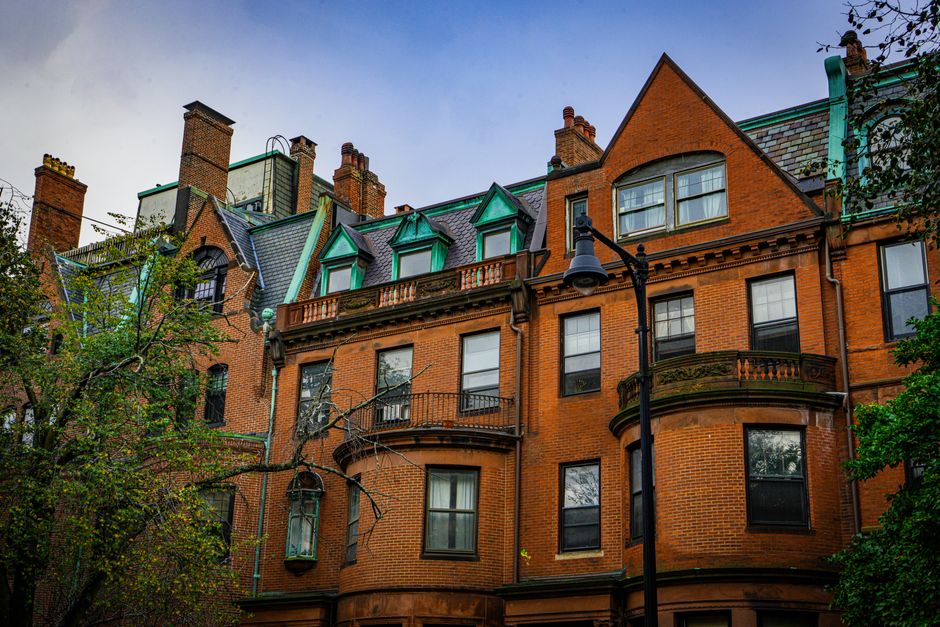
Second, inventory constraints remain acute. Unlike markets benefiting from new construction booms, Boston's older housing stock and zoning restrictions limit supply. Beacon Hill and Back Bay—the city's most coveted addresses—remain essentially frozen, with brownstone prices on Charles Street and Louisburg Square commanding six-figure premiums for modest square footage. Even South Boston, once a working-class enclave undergoing transformation, now sees developers marketing new condominiums near the Harborwalk above $1.2 million.
Third, investor capital continues flowing into the region. Institutional buyers and out-of-state investment groups view Boston properties as stable assets, particularly in transit-rich neighborhoods connected to the Red Line and Green Line corridors. This investor activity, while providing liquidity, compresses the pool of homes available to owner-occupants.
What should prospective buyers understand right now? The market has bifurcated sharply. Close proximity to universities, transit, and employment hubs commands premium pricing that reflects genuine scarcity. Meanwhile, neighborhoods further from the T—parts of West Roxbury, Mattapan, and Dorchester—offer relative affordability but come with longer commutes. First-time buyers expecting to enter near the median are increasingly looking outward to Worcester or Providence.
Mortgage rates have stabilized, but that stability masks another reality: higher baseline rates mean significantly larger monthly payments than five years ago. A $600,000 purchase today costs substantially more monthly than the same property would have in 2021.
For buyers entering now, the calculus is clear: proximity to universities, transit, and job centers justifies premium pricing, but overpaying for location-based scarcity remains a genuine risk. Market momentum is real, but so is the possibility of a correction. Patience may yet prove the smarter strategy than urgency.
This article was compiled by AI from the sources linked above and screened before publishing. See our editorial standards.
How does this story make you feel?
Spread the word
About this article
Published by The Daily Boston
Daily brief
Free, in your inbox before 7am. Weekdays.
More in Property