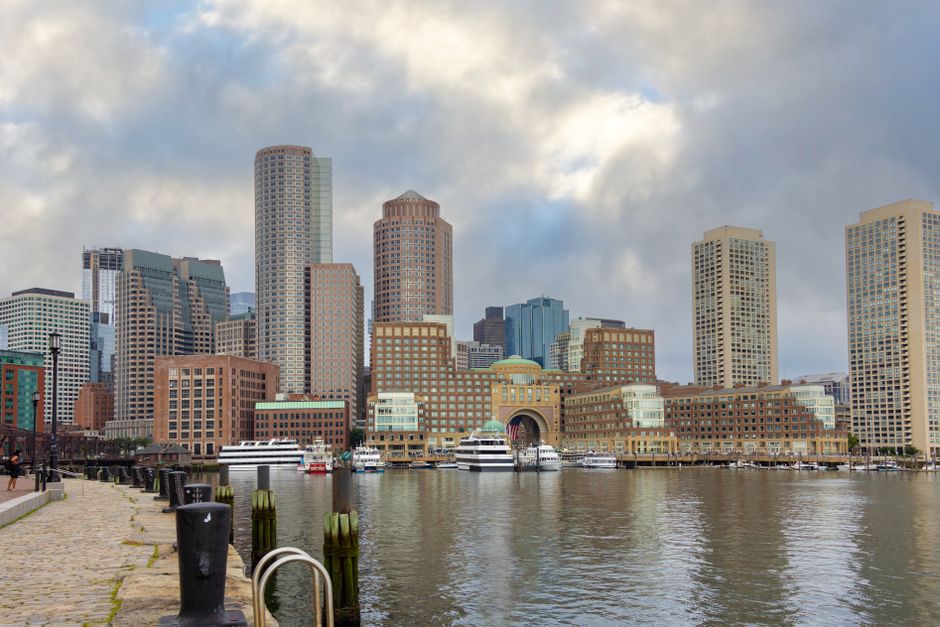
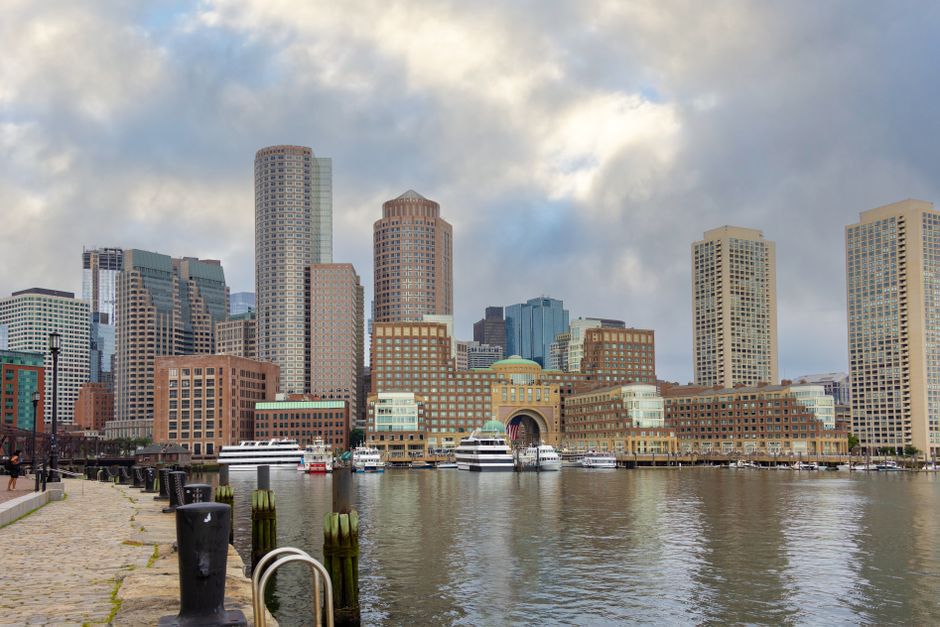
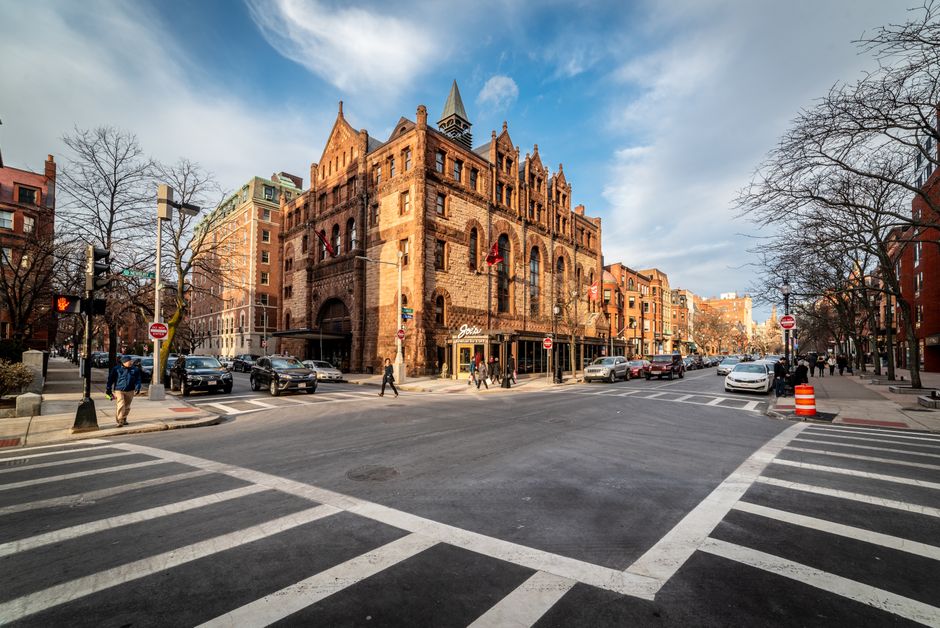
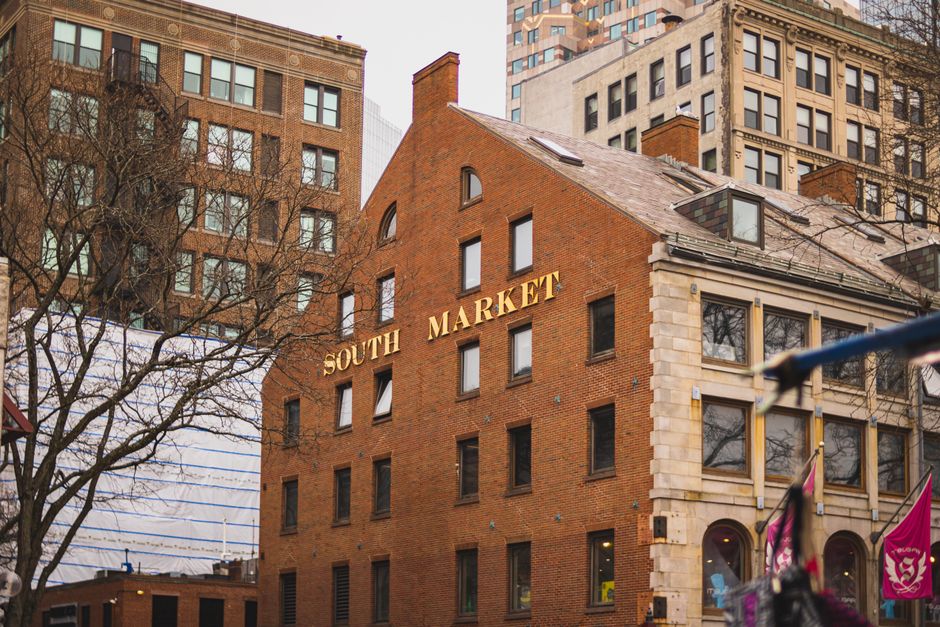
Boston's luxury real estate market is experiencing a remarkable acceleration, with properties in Beacon Hill and Back Bay now commanding prices that would have seemed unthinkable five years ago. The city's median home price hovers near $780,000, but in these prestigious neighborhoods, brownstones and townhouses routinely breach the $2 million threshold, driven by a convergence of factors that savvy buyers need to understand before entering the market.
The primary engine fueling this surge is sustained demand from Boston's thriving professional class. Tech workers relocating from Silicon Valley, finance professionals anchored to downtown investment firms, and university administrators tied to Harvard, MIT, and Boston University are competing fiercely for limited inventory in neighborhoods where every block feels like a museum of American architectural heritage. Properties along Mount Vernon Street in Beacon Hill—historically the neighborhood's most coveted address—have become status symbols that transcend mere shelter.
Supply constraints amplify this pressure. Unlike suburban markets benefiting from new construction, central Boston's historic neighborhoods remain tightly regulated. The Architectural Commission and preservation boards that protect Charles Street's character and Acorn Street's cobblestone charm simultaneously restrict new development, creating artificial scarcity that rewards existing property owners while punishing prospective buyers.
Interest rate volatility has also reshaped buyer behavior. While mortgage rates have stabilized around 5.8% compared to 2023's peaks, wealthy buyers are increasingly sidestepping traditional financing altogether, deploying capital directly and closing within weeks. This cash-dominant strategy has inflated prices by removing price negotiations that might otherwise occur with financed purchases.
Meanwhile, emerging trends are reshaping where luxury buyers direct their attention. South Boston's transformation—with its waterfront redevelopment and proximity to the Seaport District—is attracting younger wealth willing to pioneer neighborhoods outside traditional prestige zones. Somerville and Cambridge continue attracting university-adjacent buyers seeking authenticity over exclusivity, though prices there have followed suit, climbing 18% year-over-year in desirable pockets near Harvard Square.
For prospective luxury buyers, timing matters less than positioning. Properties requiring cosmetic updates often sell below market value, offering genuine opportunity amid stratospheric asking prices. Working with specialists who understand both neighborhood dynamics and the institutional forces reshaping Boston's real estate landscape has become essential.
The luxury market's trajectory suggests sustained strength, but sophistication—not impulse—should drive decisions in a market where seven figures now buys entry, not prestige.
This article was compiled by AI and screened before publishing. See our editorial standards.